Costa Rica: Samantha Anhalt
Program: UW Tropical Horticulture in Costa Rica, Winter
Samantha’s Major: Biological Systems Engineering
How will your experience benefit you in the future? How might it affect your future career or studies?
This experience has benefited my future by showing me sustainable practices in a small-scale food production setting that can be adopted by larger-scale productions. The experience of seeing the production processes in a tropical setting is beneficial for my knowledge of understanding where and how food is grown to feed the world. I now feel more connected to the truth and my ability to communicate with others about what sustainable practices are currently being implemented and what changes still need to be made. This experience has revitalized my passion for horticulture and has shown me an outlet where I can integrate my engineering major into world food production. I am now more interested in the global health minor and likely will pursue it.
I now feel more connected to the truth and my ability to communicate with others about what sustainable practices are currently being implemented and what changes still need to be made.
What is your advice for someone considering your program?
I cannot recommend this program enough! The instructor, TA, main tour guide, and visit guides are incredibly knowledgeable and passionate about sharing their experiences with others. I recommend bringing a small notebook with you to take notes during the tours so that you have pieces of knowledge to look back at and to reference in the future for either the purpose of memories or informative facts.
What did you learn about yourself or the world because of your experience?
I learned about the continued progress we need in our world toward sustainable agricultural practices. During my program, I was able to tour a range of tropical horticulture productions from commercial to family/self-sustaining. Regenerative and environmentally conscious practices were in place in most of the small-scale productions due to the respectful connection between the producers and their land. At times it was difficult to see the taxing nature of larger-scale production on the environment, workers, and animals. This showed me the remaining systemic changes that need to be made in the global food production industry. Changes are to be made by both producers and consumers. Producers must be aware of their utilization of resources and how their production processes affect the health of our environment. Consumers can alter eating and buying habits to lessen food waste and the dependency on monocultures to meet food quantity demands.
What is your most memorable experience from your program?
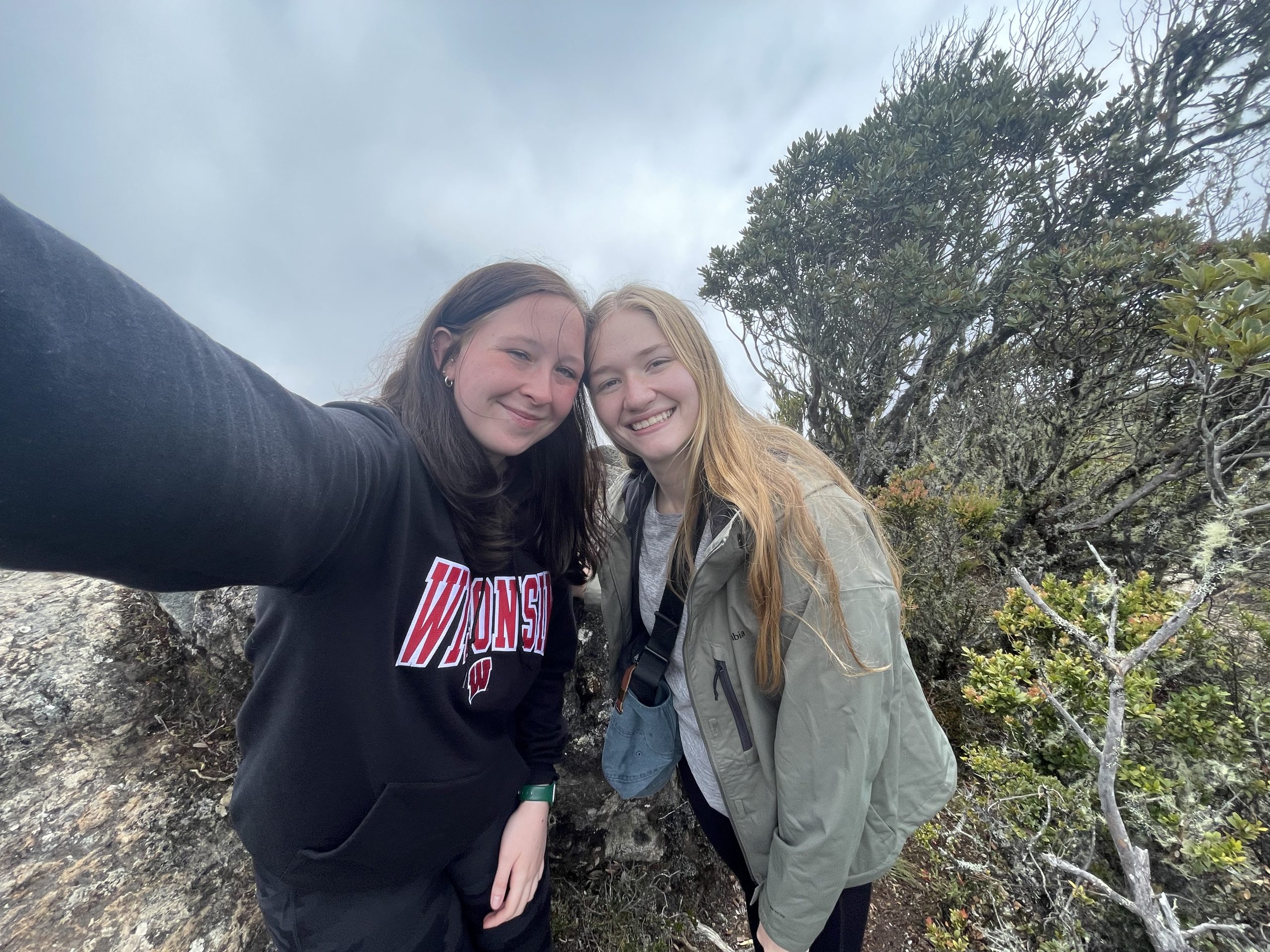
The most memorable experience from my program was taking in the unique climate and flora of the paramo biome in Costa Rica. It was memorable because it felt like time stopped and that we were entering a different world outside of the tropical rainforest we previously were in. The air was refreshing and basking in the shaded sun was an escape from reality. Overall, I am grateful to have been able to sit quietly with my peers to listen to the pure sounds of nature.