Panama: Christina Treacy
Program: SFS Tropical Island Biodiversity & Conservation Studies, Summer
Christina’s Majors: Environmental Sciences; Political Science
What is the moment you are most proud of?
Coming into this program, I was not very comfortable in the ocean at all. I grew up in the Midwest my whole life, and I was never much of a water person. Therefore, learning to snorkel and swim in the open ocean for extended periods of time pushed me far outside of my comfort zone. During my program, however, there was a specific moment where I was snorkeling at Starfish Beach, observing and counting all of the cushion sea stars to gather data for a research proposal presentation, and I had a realization in the water that I had finally begun to enjoy the experience of snorkeling without worrying about my breathing or my mask fogging up or trying to swim properly. I was floating above a group of sea stars, letting the gentle waves move me along, and after a few moments of not moving, I noticed a massive school of tiny fish surround me in the water along with a group of larger fish swimming in circles around me. I was so in awe of the aquatic life, that I stayed there for quite awhile, just allowing myself to be present. It was in this moment where it struck me that I was becoming so comfortable in the ocean that I could appreciate its beauty without being anxious about my situation. It made me feel incredibly proud to know that I had conquered my discomfort and even small fear of the ocean just through continuing to put myself out there and experience it. I got to see the most amazing aquatic species including a diverse array of sea stars, sponges, coral, and many different types of fish.
How were your program academics similar or different from taking classes at UW–Madison?
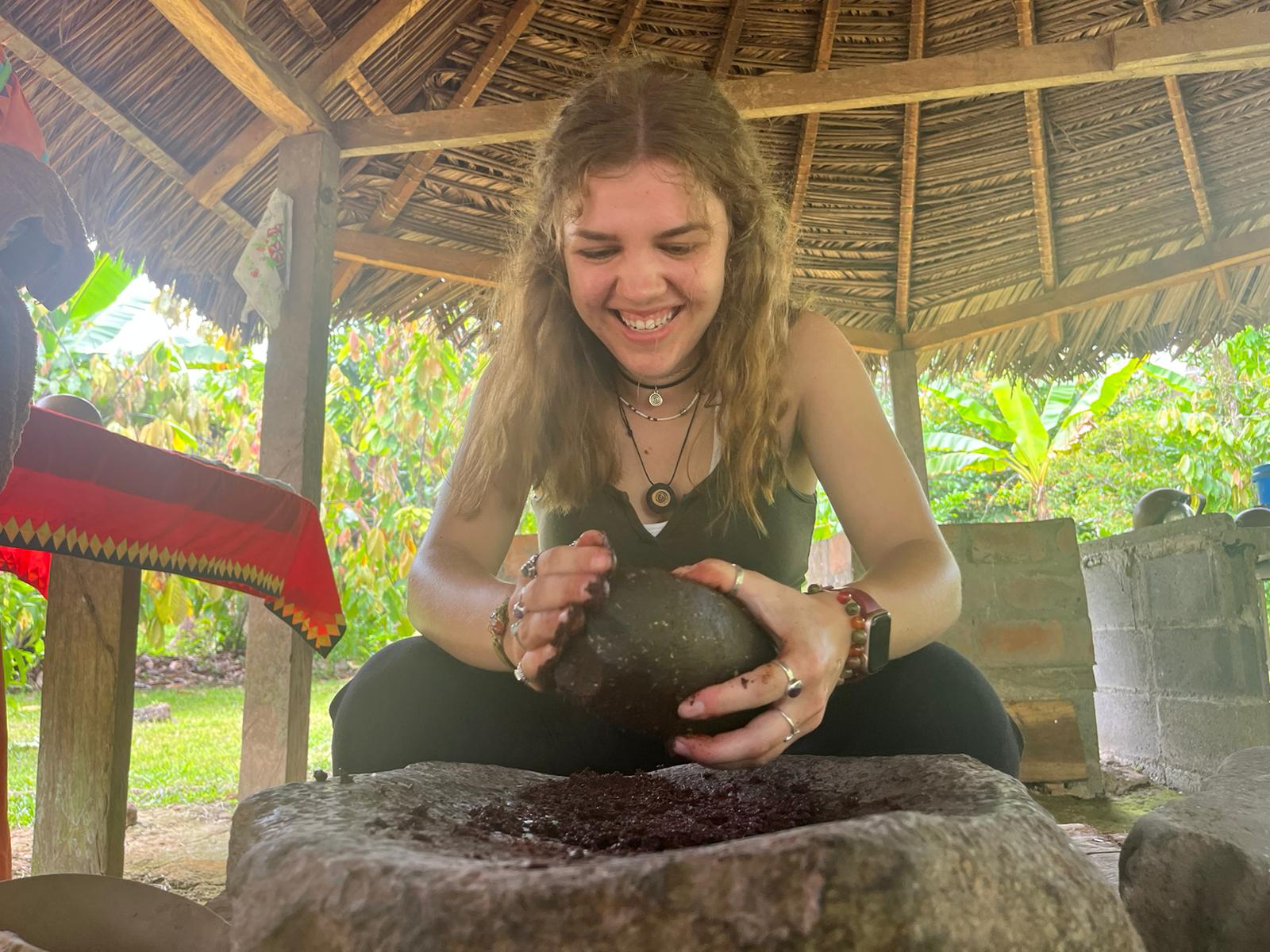
This program combined a lot of the concepts I have learned through my education at UW–Madison with a location and cultural context that I was completely unfamiliar with. We had a combination of class lectures, which were delivered in a similar manner to University lecture, and lessons out in the field, which were a much more hands on way to learn about the material. For example, while we learned about different species in the classroom setting (similar to a UW–Madison Biology class), we took our species identification quiz while actively snorkeling in the ocean. Furthermore, grades on each assignment and assessment were less important than the active learning process. I did not know my grades on anything until the end of the program, and the teaching faculty greatly emphasized the importance of the learning experience rather than the grades at the beginning of the program. This made it easier to focus on immersing myself in the material and enjoying the content without stressing about grades.
It was in this moment where it struck me that I was becoming so comfortable in the ocean that I could appreciate its beauty without being anxious about my situation. It made me feel incredibly proud to know that I had conquered my discomfort and even small fear of the ocean just through continuing to put myself out there and experience it.
What is your most memorable experience from your program?
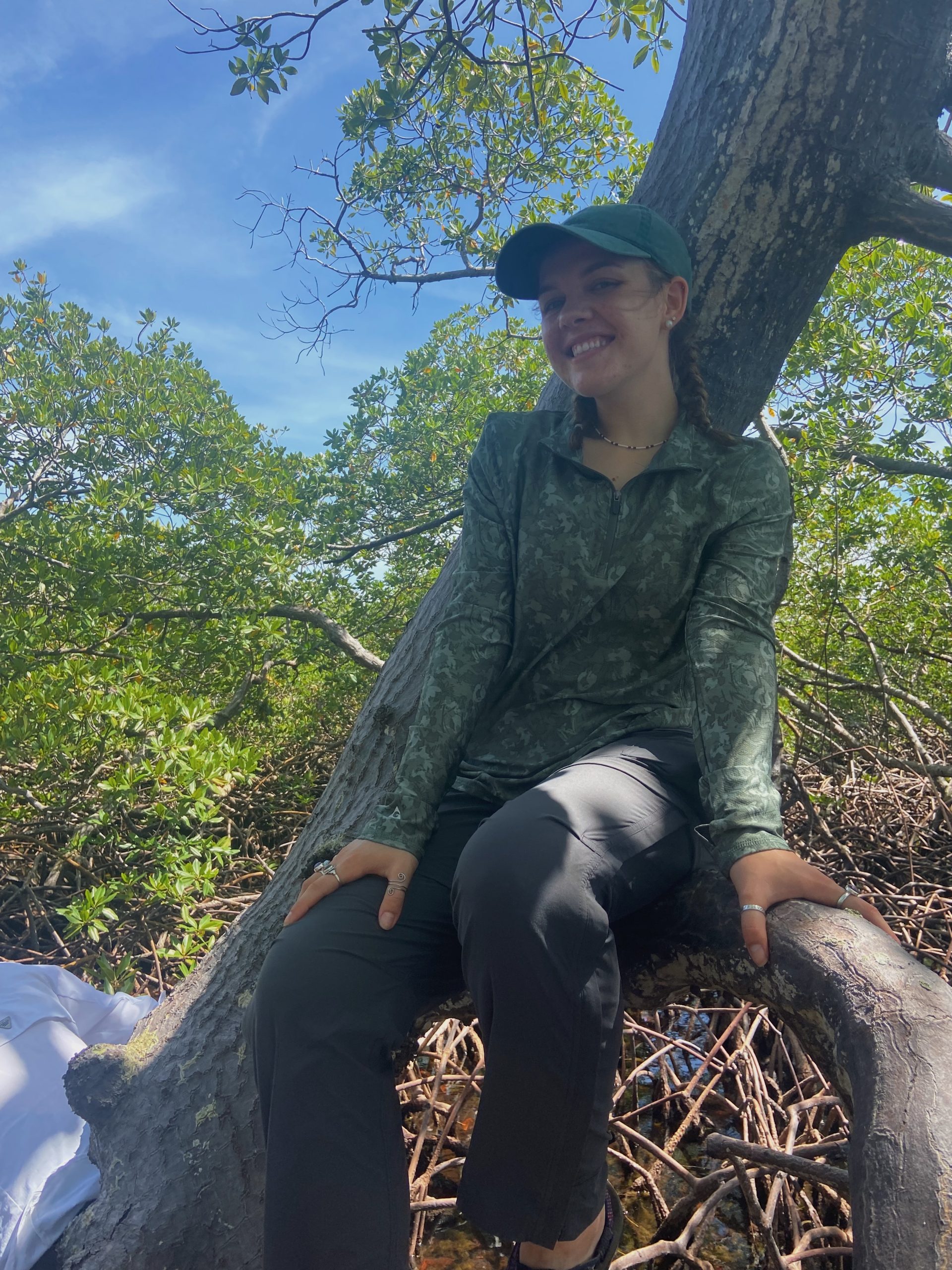
One of the most memorable experiences was snorkeling in the mangroves. We first had a lecture sitting on top of the mangrove tree trunks and roots on a small mangrove island. Afterwards, we got to snorkel around the island in very shallow water. I got to see the most amazing aquatic species including a diverse array of sea stars, sponges, coral, and many different types of fish. It was incredible to sit still in the water just on the outside of the mangrove roots and watch all of the fish swim in packs around me. I felt like I was a part of their world for a little bit. This experience was amplified by the fact that I had studied many of these fish, coral, and sponge species in the classroom, so I was able to identify them by their common and Latin names and draw connections to the material I had learned.