Tanzania: Veronica Goveas
Program: UW Health, Education, & Tanzanian Culture, Winter Intersession
Veronica’s major: Biology
What is your most memorable experience from your program?
Reflecting on my time in the UW Health, Education & Tanzanian Culture program, it’s challenging to pinpoint a single most memorable experience because the entire journey was incredibly impactful. However, one moment that stands out vividly is our visit to the Amani Street Kids Project in Moshi. Interacting with the children in the project, hearing their stories, and witnessing the resilience and joy they maintained despite the challenges left an indelible mark on me. Engaging in various activities with them, from playing soccer to sharing our experiences, created a genuine connection that transcended language and cultural barriers. The experience at Amani Street Kids Project not only highlighted the importance of community-driven initiatives but also reinforced the power of human connection in fostering hope and positivity. It was a poignant reminder of the universality of human emotions and the profound impact that small acts of kindness and understanding can have on individuals facing adversity. This encounter with the resilient spirit of the street kids has left an enduring impression on my perspective, fostering a deeper appreciation for the strength of the human spirit and the significance of compassion in global health initiatives.
My experience in Tanzania has not only broadened my cultural horizons but has equipped me with practical skills, a global mindset, and a deeper understanding of healthcare challenges.
How will your experience benefit you in the future? How might it affect your future career or studies?
My experience in the UW Health, Education & Tanzanian Culture program will undoubtedly shape my future in profound ways. Firstly, the immersion in Tanzanian culture and exposure to diverse healthcare settings will significantly enhance my cultural competence. This newfound understanding will be invaluable in any future professional or academic endeavors where cross-cultural communication and collaboration are essential. Engaging in interactive education sessions with Tanzanian adolescents on health issues such as reproductive health, mental health, and HIV has not only expanded my knowledge but has also honed my ability to approach global health challenges with sensitivity and adaptability. This skill set will be applicable to my future career aspirations in public health, where a nuanced understanding of diverse communities is crucial. Participating in the program has allowed me to witness firsthand the specific challenges faced by emerging countries in accessing healthcare. This exposure has fueled my passion for addressing healthcare disparities globally and has inspired me to consider pursuing graduate studies or a career path that focuses on international health policy and development. Furthermore, the program’s emphasis on critical thinking and comparative perspectives has cultivated my ability to analyze situations from multiple angles. This skill will undoubtedly benefit me in my future studies and career, enabling me to approach challenges with a broader perspective and develop innovative solutions. My experience in Tanzania has not only broadened my cultural horizons but has equipped me with practical skills, a global mindset, and a deeper understanding of healthcare challenges. These assets will undoubtedly play a pivotal role in shaping my future career and academic pursuits, allowing me to contribute meaningfully to the field of global health and international development.
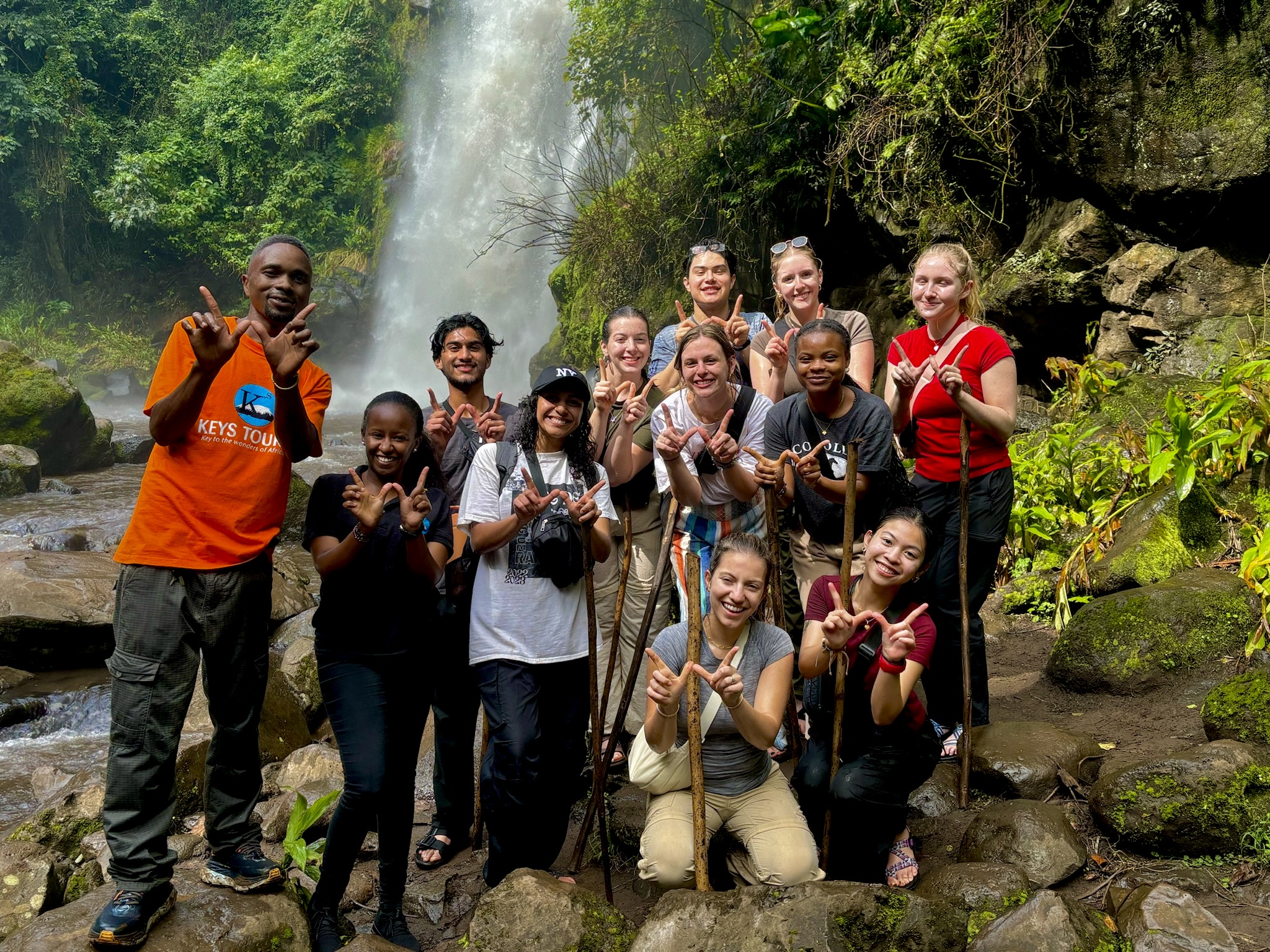
What is the moment you are most proud of?
One of the moments I am most proud of revolves around my involvement in teaching sessions focused on mental health, drugs, and alcohol awareness within a school setting. In this particular instance, I was leading a workshop aimed at dispelling myths, reducing stigma, and fostering open conversations around these critical topics. The session began with a palpable sense of apprehension among the participants, as mental health can often be a sensitive and stigmatized subject. However, I approached the discussion with empathy, sharing information in an accessible and non-judgmental manner. As we delved into the complexities of mental health, drugs, and alcohol, I could sense a shift in the room – a transformation from hesitancy to genuine curiosity and engagement. What made this moment particularly impactful was witnessing the participants’ willingness to share their own experiences and ask probing questions. The atmosphere became one of trust and support, creating a space for honest dialogue. I vividly remember a young participant who, during the session, opened up about their struggles with mental health and substance use. The courage they displayed in sharing their personal journey sparked a chain reaction, encouraging others to share their stories as well. The discussions that unfolded not only provided valuable information but also served as a catalyst for breaking down the barriers of silence and shame associated with mental health challenges. Participants began to express a newfound understanding, empathy, and commitment to supporting one another. It was a proud moment for me, knowing that the knowledge shared had the potential to foster a more compassionate and informed community. In reflecting on this experience, I am proud not only of the information imparted but also of the safe and inclusive environment created, allowing individuals to address these often-taboo subjects openly. It reinforced my belief in the transformative power of education and conversations surrounding mental health, drugs, and alcohol, and the positive impact they can have on individuals and communities.