Uganda: Jessica Fox
Program: UW Agriculture, Health, and Nutrition in Uganda, Winter Intersession
Jessica’s Major: Biology
What is your most memorable experience from your program?
During the UW Agriculture, Health, and Nutrition in Uganda Study-Abroad program, we visited multiple health centers within Uganda’s decentralized healthcare system to encompass both health and nutrition. Additionally, on the agriculture side we learned about the subsistence farming most people engage in (especially in rural areas) and visited farms with more commercial farming goals. The most memorable experience for me during the program was during our journey north to Masindi where we visited the District Health Office, Health Center 2, and Health Center 3. At the Health Center 2, we met with the team leader, Job, who helped to answer questions for our respective projects and provide us with more information about the role the level plays in the larger healthcare system. During Job’s discussion with us he presented a very charismatic attitude about their community outreach efforts and how they utilize the demonstration garden at the center. I enjoyed this experience because I was able to learn more about how health is maintained within the community, and I could tell he was passionate about the work they perform. While I was asking questions specifically about my project topic, it also was interesting to listen to what the other students in the program were interested in. Upon leaving the health center level 2 facility, I felt I had gained a good insight into the healthcare system in Uganda. Especially, I was able to see a new perspective because before we had previously had similar talks at the Mukono General Hospital (in a more urban environment) and the Masindi District Health Office. Thus, I was able to think about how facilities within the Ugandan healthcare system differed from each other as well as comparing it to my own experience. The foundation of knowledge I had from these first three educational opportunities led my questioning during later activities focused both on the clinical and non-clinical influence on health.
For someone considering the UW Agriculture, Health, and Nutrition in Uganda program, I would advise them to keep an open mind about taking in the culture, food, and educational experiences. Doing so it will be a rewarding experience and to learn about more about the complexities in Uganda’s healthcare or other systems.
How were your program academics similar or different from taking classes at UW–Madison?
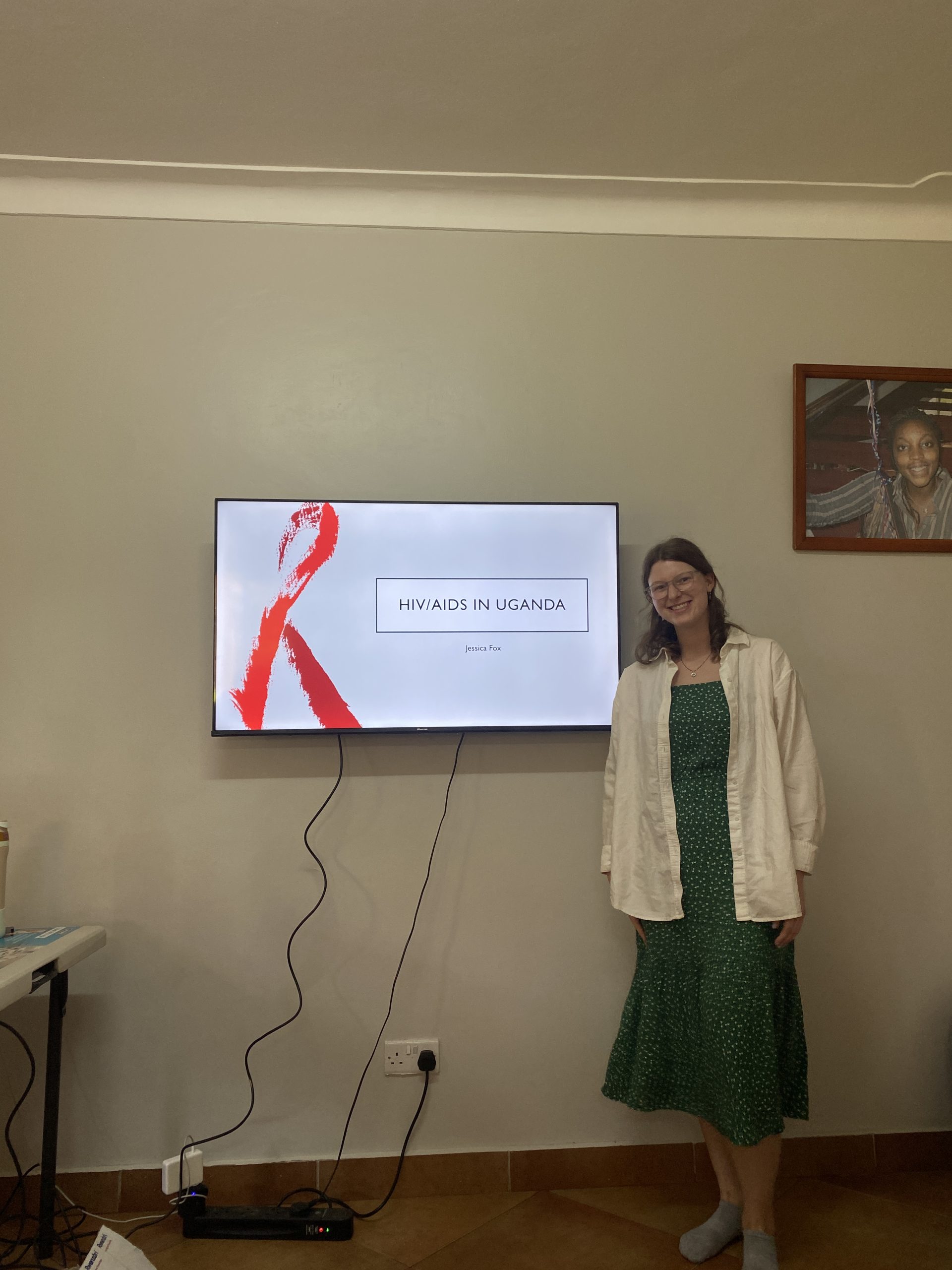
The program academics came in two different pieces because the UW Health, Agriculture, and Nutrition in-country program occurs during the winter intersession. The fall semester pre-departure seminar is like a UW–Madison course but is meant to prepare you logistically and mentally for the educational experience once you are in Uganda. The in-country program differs from the typical UW–Madison course offered because it is led by activities and student questions. Each activity whether at a health center or agriculture experience begins with the leader for the organization discussing their purpose and role within their community or the country. Then students in the program ask further questions on the respective topics moving the conservation into many directions. For example, I focused my project on HIV/AIDS in Uganda and its connection to maternal health which drove the questions I asked. The questions other students asked help me to have a holistic understanding on the intersections between health, nutrition, and agriculture. Another aspect is to observe the surrounding, interact with the Ugandan people, and have in depth conversations with other students. Overall, the in-country program is more experiential than typical courses at UW–Madison. I enjoyed this aspect of studying abroad because it complemented many of the concepts I learned previously in classes.
What is your advice for someone considering your program?
For someone considering the UW Agriculture, Health, and Nutrition in Uganda program, I would advise them to keep an open mind about taking in the culture, food, and educational experiences. Doing so it will be a rewarding experience and to learn about more about the complexities in Uganda’s healthcare or other systems. The program is shaped around student interests and questions whether about the project topics or in general. I embraced the experience by asking questions at activities, discussing with other students, and engaging in the community-centered events. The community walk are times to immerse yourself in the experience because you get to engage in service-learning and begin to understand individual’s experiences. The co-instructors of the program, John Ferrick and Dr. James Ntambi, are immense resources who can help to answer your questions or process the information you are learning. Many complexities existed in the topics my classmates and I explored which meant it was helped to debrief to fully understand the intersections of policy and culture. I found journaling helped me process the information we learned from various activities and incorporate the observations I was making. I had gotten this recommendation from both our instructors who had been on the trip and friends who had been on similar programs. My journal and pictures will supplement the memories I made in Uganda.