Portugal: Nora Bergstrom (Learning on excursion)
In Portuguese culture, like many other Southern European countries, meals are a social and cultural experience that can last for hours. While American families may cook for ease and convenience, Portuguese family-style meals are often slow-cooked, served in many courses, and meant to be enjoyed alongside wine and lengthy conversation. Although Lisbon’s culture has embraced more and more the fast, easy meals of a busy work day, the other regions of Portugal have held tightly on to this tradition.
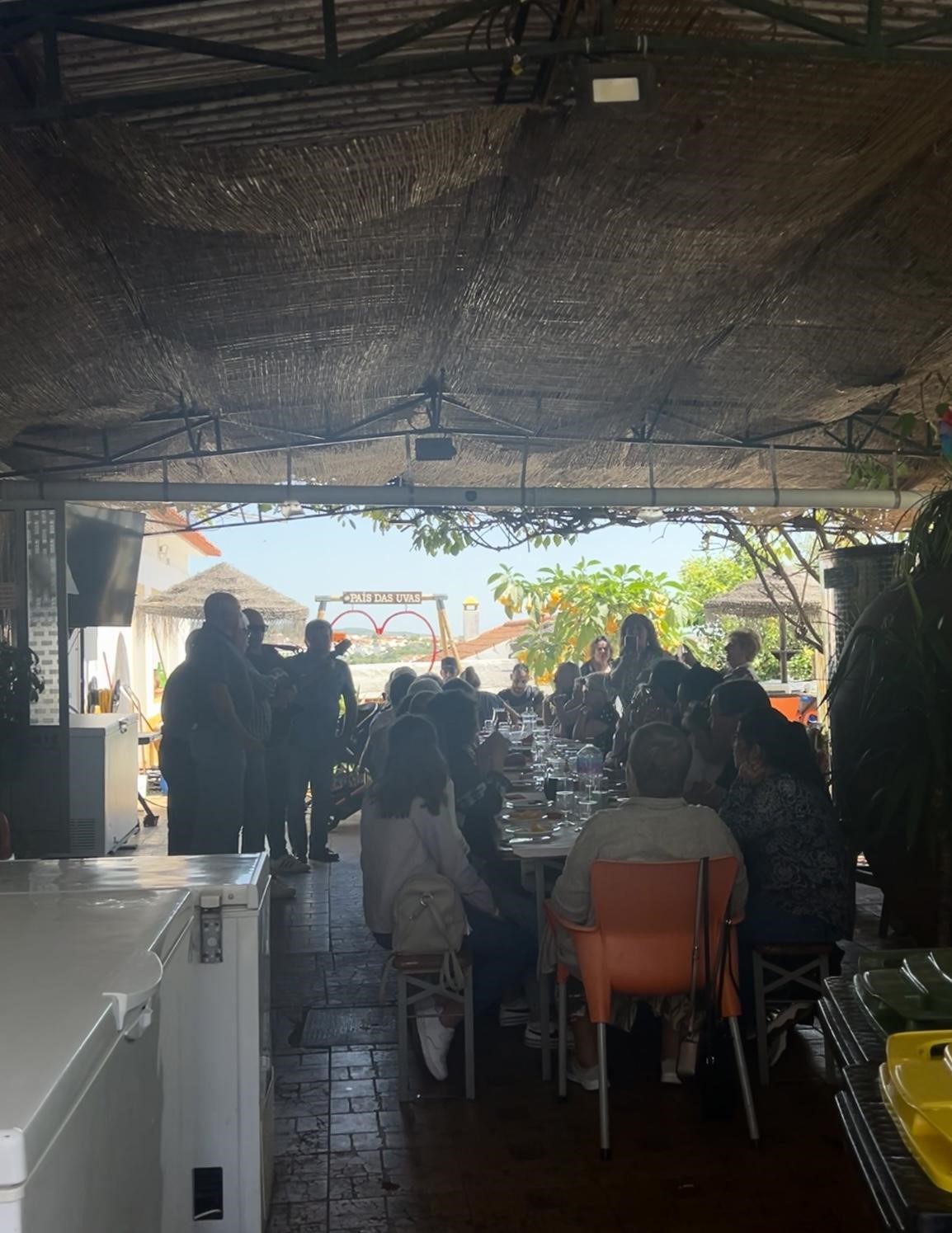
Recently, I took a short trip with my program to the interior region of Portugal called Alentejo. I had visited the area before and loved the heat, simplicity, and incredible natural beauty of this least densely populated part of the country. As part of our trip, we visited a town still producing wine in ancient-style: massive clay pots kept in a stone cellar that slowly ferment hand-picked grapes. The tradition had been passed between family members for hundreds of years, and just recently commercialized into bottling, selling, and offering tours of their production. They also had a restaurant next door; an extremely traditional and yet casual Alentejano family-style eatery. We sat down for lunch at 12:30 or so, not knowing we would be there still dining almost four hours later.
It started with bread, olives, cheese and clay-pot wine. A creamy, mild cheese called requeijo was served with pumpkin jam on small toasts. We sat with this course for a long time, enjoying each other’s company and recapping the day. Next came a slow-braised pork dish served with whole baby potatoes, a very traditional Portuguese dish reminiscent of pot roast. It was served in large portions across the table for sharing. Next was a tomato sauce and eggs dish, baked straight into small pots and served with fresh baskets of bread. Finally, a bean dish made with thistle was served across the table in low dishes. With nearly a half an hour between each course, we had gotten extremely comfortable in our seats in the rustic, cozy restaurant. Traditional Alentejano singers had been performing with guitars and barber-shop quartet like harmonies in the restaurant throughout our meal, singing songs about rural life and famous tales of love and loss from Portuguese history. After dishes had been cleared, a typical and delicious cinnamon olive oil cake called sericaia was presented individually to each guest. While we were enjoying our dessert, we all felt a food coma and afternoon nap creeping up on us. As is tradition, we were each given an espresso to digest and reawaken us.
Meals like this are hard to get used to for many Americans, especially a generation that has grown up with countless distractions, a short attention span, and an eroding tradition of family meals. Having had years of memories at the Portuguese dinner table now, I love this aspect of Southern European culture. Meals are a social experience that allows for connection, true indulgence in the cuisine, and a greater appreciation for the context you find yourself in.

Nora Bergstrom
Hometown: Saint Paul, Minnesota
Major: International Studies
Program: Study in Portugal Network (SiPN)