Cambodia: Faryn Cramer (Sustainability in Cambodia)
My program prioritized sustainability and eco-conscious choices – fitting, considering the coursework revolves around ecology and conservation of Asian elephants. As we engaged with conservation practices through Cambodia and Thailand, we picked up a lifestyle of sustainability beyond just elephant conservation. For example, when our accommodations had air conditioning units, we always turned them off when we left the room. Especially since electricity is so expensive in Cambodia, we had an increased awareness of every light on, and every AC machine running.
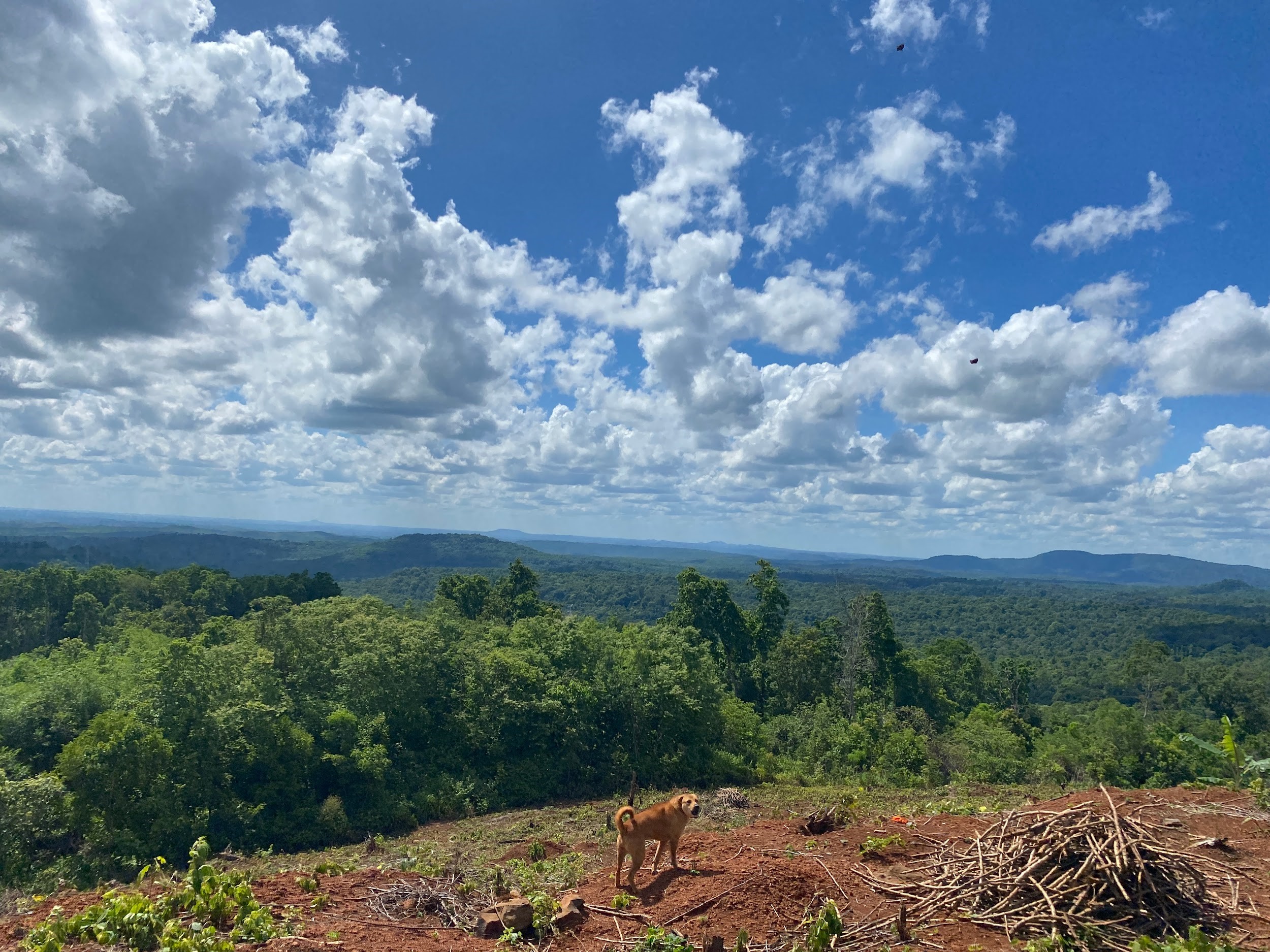
Beyond the basics, I also learned about sustainability as a model for tourism. As students and ecotourists ourselves, we wanted to make sure that we chose our activities wisely, and applied what we learn with purpose. For example, we went to Elephant Valley Project (EVP), a group that does not let tourists ride or bathe the elephants. They focus on elephant welfare, allowing them to behave as naturally as possible. But, beyond treating elephants like the wild animals they are, Elephant Valley Project taught us about their sustainability model. They emphasized how the community is integral to making the project, well, sustainable. Ecotourism only works if the community is on board. This includes making sure that tourism actually benefits the community as a whole. EVP employs community members in all roles, from mahouts (elephant caretakers), to forest navigators, to base camp chefs. EVP worked tirelessly to help native community members navigate the process to gain their community land title. The elephants at EVP are owned by community members, but taken care of by the project. In return for getting to take care of the elephants, EVP pays the owners in rice, adding to the local economy once more. I’ve learned that without involvement from the local community, eco-tourism isn’t sustainable or beneficial.
Back in the US, we could learn from the electricity conservation and importance of community. We can turn off the AC and lights when we leave the house. Furthermore, the model of community-dependent success seems to be a pillar the US increasingly drifts from. If we remember that the key to long-term sustainability efforts is community, we can all work together to benefit the earth, and benefit each other.

Faryn Cramer
Hometown: Waunakee, Wisconsin
Major: Communication Arts; Spanish
Program: SFS Environmental Justice and Mekong Ecologies
I chose this program (among many reasons!) because I want to expand my worldview while having a once-in-a-lifetime adventure where I will expand my intercultural knowledge. I want to have some sort of career in current events writing or social media, and it’s important that I bring worldly experiences to that job.
One of my goals for this program is to learn about how the environment and the cultures of Cambodia and Thailand interact. I’m excited to experience an ecosystem I’ve never been in before, see animals I’ve only seen in photos, and try new food!