Italy: Sarah Doane
Program: UW in Florence, Spring
Sarah’s Major: Neurobiology
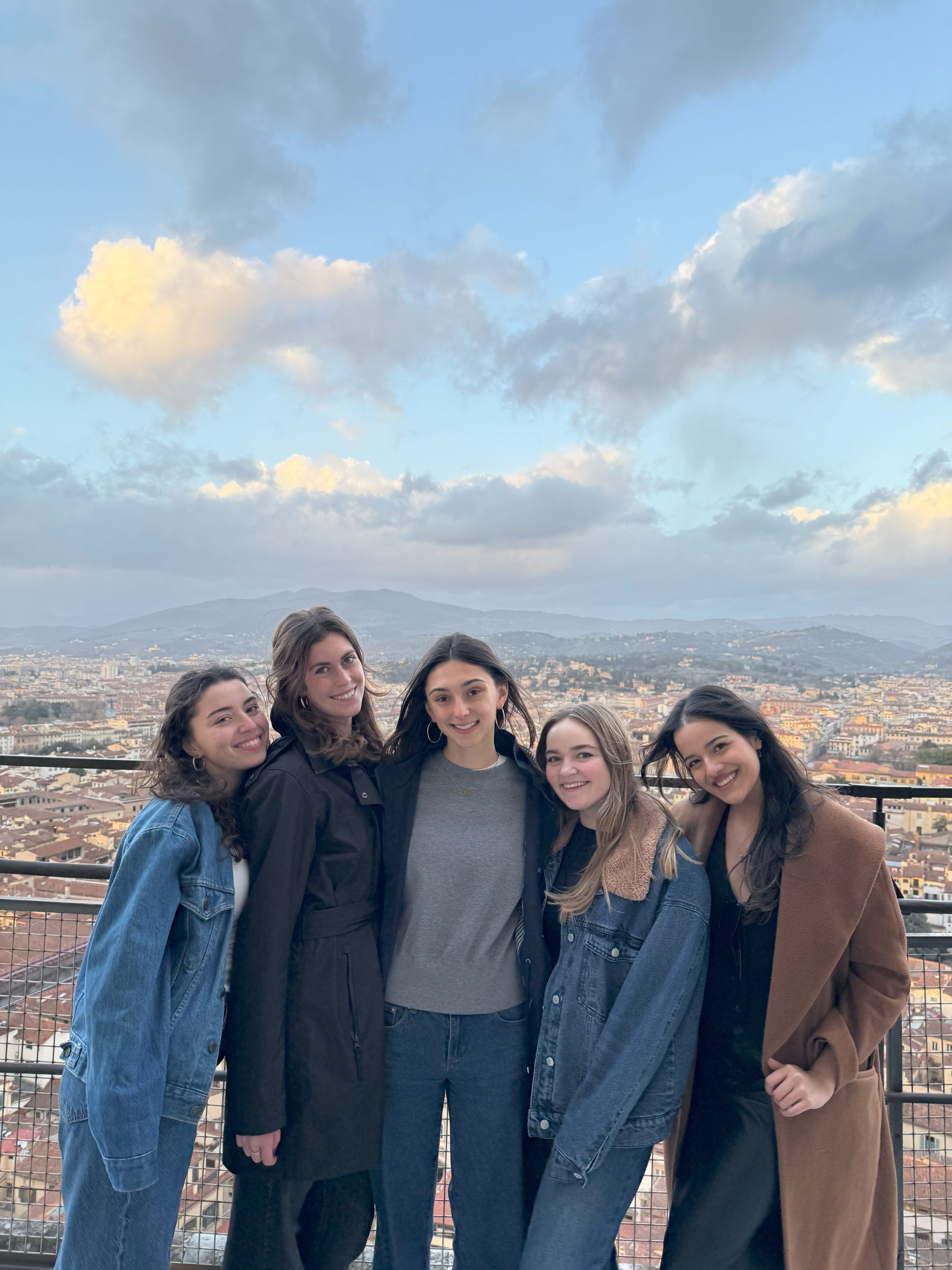
How were your program academics similar or different from taking classes at UW–Madison?
The classes I took through UW in Florence were Beginning Italian Language, Food and Culture in Italy, Wine Studies: History and Culture of Italian Wine, and Dr. Wandel’s Practice of Science: Leonardo and Galileo class. These courses were very different from the ones I have taken at UW–Madison. Being in Florence, my professors were able to connect the course content to class trips and activities outside the classroom. Dr. Wandel’s course was a unique learning experience. Once a week, we would visit a site relevant to our course content and discussions. My favorite was when we went to a glass workshop and saw how stained glass is made. We were able to learn through experience in a way that was very different from anything I had encountered through my UW–Madison courses. The small class sizes were also a different experience from my typical large lectures. I enjoyed getting to know my professors, other UW–Madison students that I had never met, and students from other universities. I enjoyed being in class with students from Cornell, Vanderbilt, George Washington University, etc. My classmates’ diverse backgrounds amplified our discussions of Italian culture and civilization. Classes through the UW in Florence program were very different from the ones I have taken on campus at UW–Madison. However, they were very easy to adjust to, given the support from the CET program and the UW–Madison professor. I appreciated the small class sizes and the approachability of all of my professors. While it may seem daunting at first, the differences between CET academics and UW–Madison courses have made my abroad experience rewarding.
One of my final assignments for my food and culture course was to buy local ingredients and cook a traditional Italian dish. My roommate and I decided to make Tagliata di Manzo together. Buying local, fresh ingredients and cooking a traditional Italian meal is essential to the culture.
What is your most memorable experience from your program?
My most memorable experience during the UW in Florence program was dinner with a local Italian family at their apartment. I was nervous and excited to be welcomed into a stranger’s home for their family dinner. My nerves dissipated when, not even a minute after walking into the apartment, my roommate and I were dragged by the family’s two kids to see their toys and watch them play their instruments. The music softened the language barrier between me and the children. As the kids performed their circus tricks and their favorite songs on the piano, the parents prepared pumpkin risotto and macedonia. Watching their family routine, I was immediately taken back to 2012 in my family’s kitchen in Virginia – my brother and I performing a Lady Gaga song while my parents prepared the chicken we were eating for dinner that night. Even being 4,000+ miles from where I experience family dinners, I found that gathering around the kitchen table (or more realistically in the kitchen) is a staple for many cultures and families. I had learned about risotto and ribollita in my class, but this experience deepened my understanding of Tuscan culture. Walking into the apartment, I was unsure of what to expect. In my food and culture course, I had been learning about Italian cuisine and culture, but I wasn’t sure how much of what I was learning reflected daily reality for local families. Reflecting on my experience now, the Italian family dinner I experienced was a balance between what I had learned in class and my family dinner experiences growing up in the US.
What is a custom, food or tradition from your host country that you are taking forward?
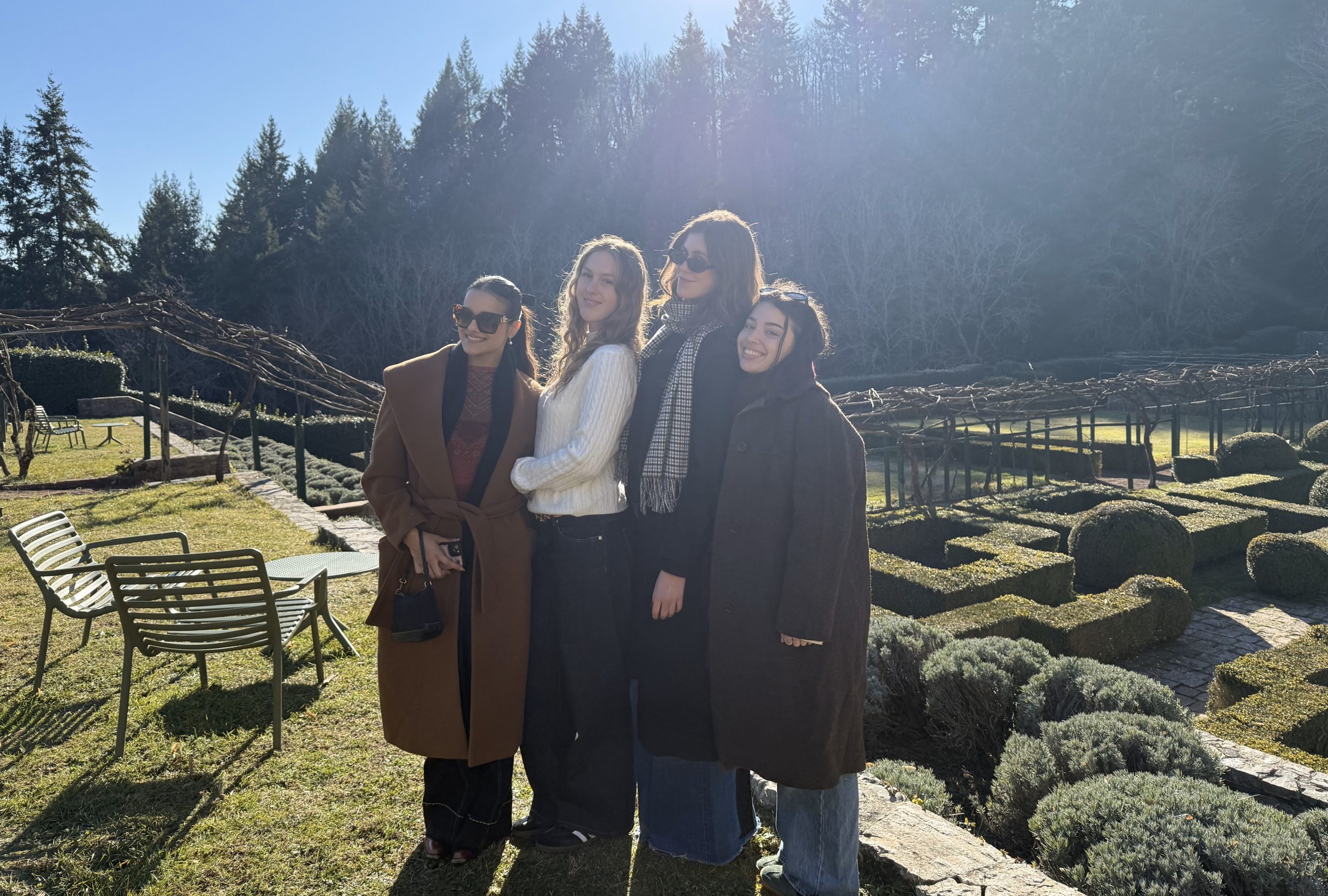
Commensality is a feature of Italian tradition and culture that I plan to take forward. Italians sit at dinner for hours, discussing politics, their families, and their lives. The Italian view of mealtime vastly differs from that in the United States. Italians see mealtime as a time to connect with others. The act of cooking with others is a crucial part of Italian culture. One of my final assignments for my food and culture course was to buy local ingredients and cook a traditional Italian dish. My roommate and I decided to make Tagliata di Manzo together. Buying local, fresh ingredients and cooking a traditional Italian meal is essential to the culture. I plan to return these traditions to Madison by cooking more with my roommates and eating together. Going forward, I hope to use dinner time as an opportunity to connect with my family and roommates. Finally, I will be more aware of the ingredients I buy and the origins of the food I eat. The origins of food are an important part of Italian cuisine. Overall, I have come to appreciate the Italian culture surrounding food and hope to continue these habits.