South Korea: Ashlie Hewett
Program: Yonsei University, Academic Year
Ashlie’s Major: Psychology
What is your most memorable experience from your program?
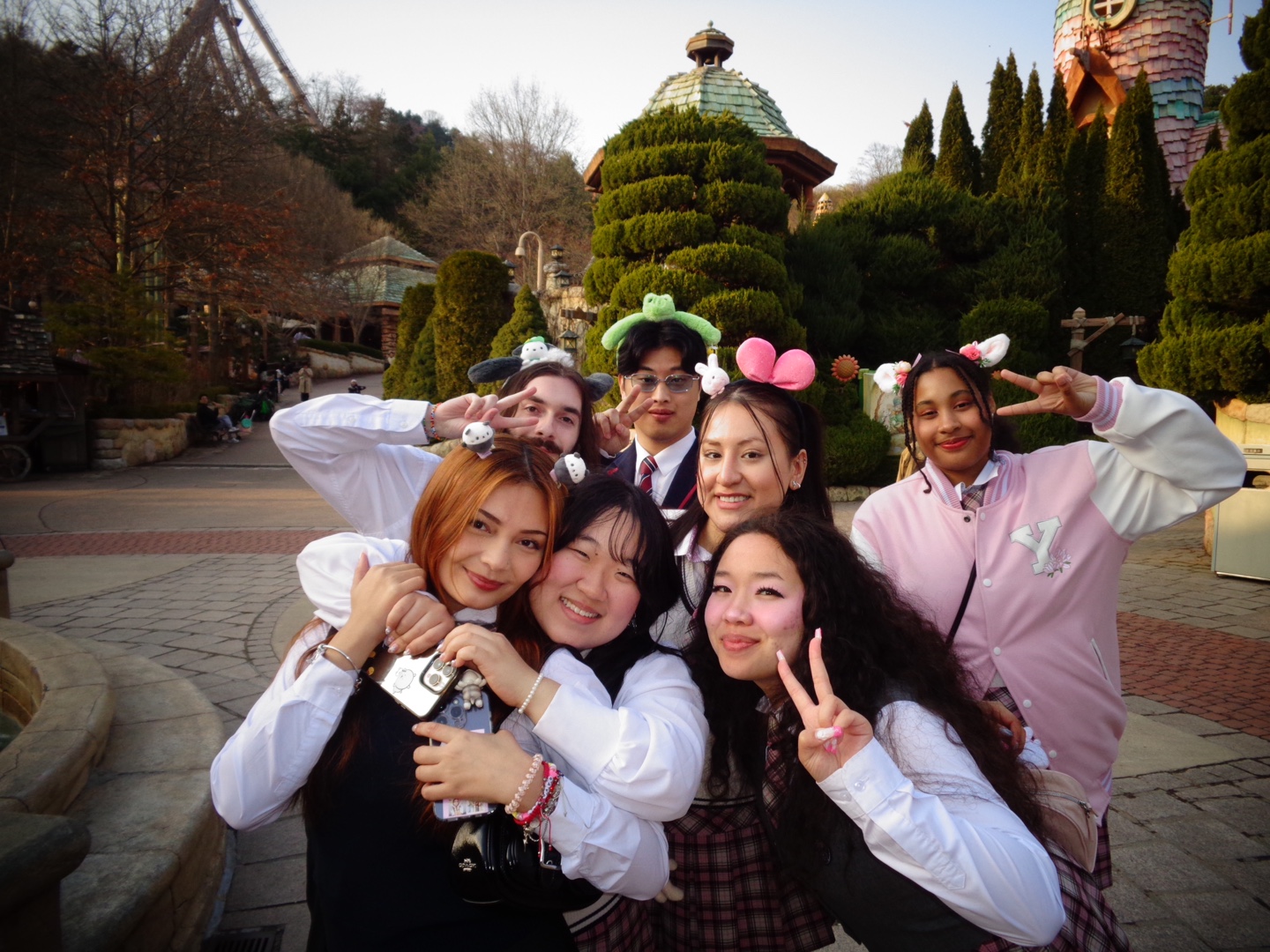
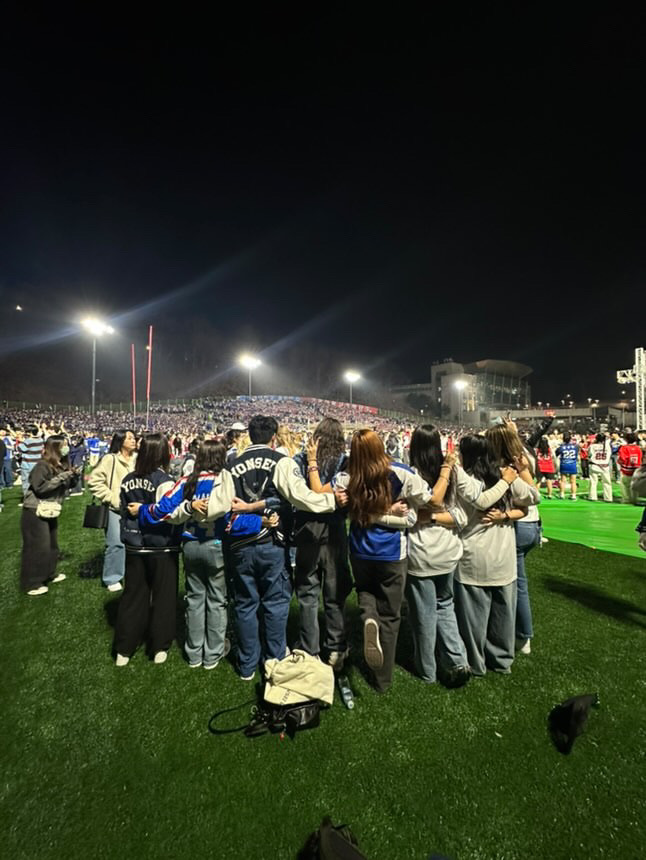
The most memorable experience from my program consists of finding a community away from home — a community that I could rely on when homesickness came over me, or when adjusting to a new country’s norms became difficult in some cases. The nights where my friends and I would meet in the convenience store just below the dorm to eat ramen, try new ice cream flavors, and just be ourselves with each other are the most memorable parts of my study abroad program, and have lasted outside of the program. I am still very close with my friends that I made abroad, despite the fact that we are now spread out across the world.
To highlight the intersection I found myself in between my study abroad experience and my identity, I would advise those in the same situation as me to find ways in which your identity could impact your experience abroad. In doing so, you can prepare yourself for those situations, while also finding ways in how you could overcome them, or perhaps celebrate them even further.
What is the moment you are most proud of?
I am most proud of my ability to juggle completing required courses for my degree while assimilating to a new culture and new experiences. There were times where I had to discipline myself by reminding myself that I am still here for school, not just for fun — I had to hammer in the idea that I am here for STUDY abroad, not just for the abroad part. I am proud of myself for completing the entirety of my depth courses required for my major while partaking in my program, while still being able to take away the most unique memories.
How did your identities impact your experience? What advice would you give to students with similar identities who are considering a similar experience?
Being multiracial, it’s already hard for one to put themselves in spaces of the races/ethnicities they are mixed with — you feel as though you have to advocate for your spot in these spaces, despite sharing the same ethnicity and/or culture. Hmong people, specifically, do not have a country in Asia to return home to that is exclusively for Hmong. I felt more at ease being in Asia, however I still felt like an outsider because no one knew of my people despite us being from Asia. I tried to look at this from a more positive perspective. Although it can be tiring, I would value every opportunity to explain who my people were and where in Asia we could be found — even to bring awareness to the injustice Hmong people still experience in different parts of Asia. After a while, it felt empowering to be able to spread word of my identity and who my people are. I then took it a step further and tried to find my people in South Korea. I joined Facebook groups and attended the annual Hmong New Years in South Korea with my non-Hmong friends. To highlight the intersection I found myself in between my study abroad experience and my identity, I would advise those in the same situation as me to find ways in which your identity could impact your experience abroad. In doing so, you can prepare yourself for those situations, while also finding ways in how you could overcome them, or perhaps celebrate them even further.
What challenges or barriers did you face as you prepared to go abroad and/or during your time abroad? How did you work through them?
As a first generation student, who is only able to attend a university such as UW–Madison because they are on a academic scholarship, there were times where I would meet individuals who did not have the same background as me and I would compare myself to them. I would think, “It must be really nice not having to worry about reaching out to your family for extra funds,” or, “I wonder what it must be like to grow up going on trips abroad.” To overcome this took lots of reflection and mental power, something I thought I did not have the strength to do. However, one quote would keep me grounded and motivated, “Comparison is the thief of joy.” By allowing myself to dwell on these comparisons, I was missing out on what was in front of me and what is presently true: I am the first in my family to ever set foot in South Korea, and the first to ever venture abroad as apart of my studies. I was creating milestones by scratch so that others in my family could simply just follow the recipe. I would remind myself that two things can be true at once: I did not come from a well-off family and I was not ready for how challenging living abroad could be (true), but I am breaking generational barriers down one-by-one despite that (also true!).
How will your experience benefit you in the future? How might it affect your future career or studies?
Something I have heard often post-study abroad from professors and advisors is that future employers, or admission committees, value study abroad experience from applicants. By going abroad and listing it on a resume or listing it as a extracurricular activity, shows that you have developed professional soft skills such as: adaptability, problem-solving, and emotional intelligence — just to name a few. I take pride in being able to list my study abroad experience in a resume, or bring it up as a talking point in an interview, because it is such a unique experience that many are not able to have.