Costa Rica: Devin Guthrie
Program: UW Tropical Horticulture in Costa Rica, Winter Intersession
Major: Environmental Studies; Environmental Sciences
How were your program academics similar or different from taking classes at UW–Madison?
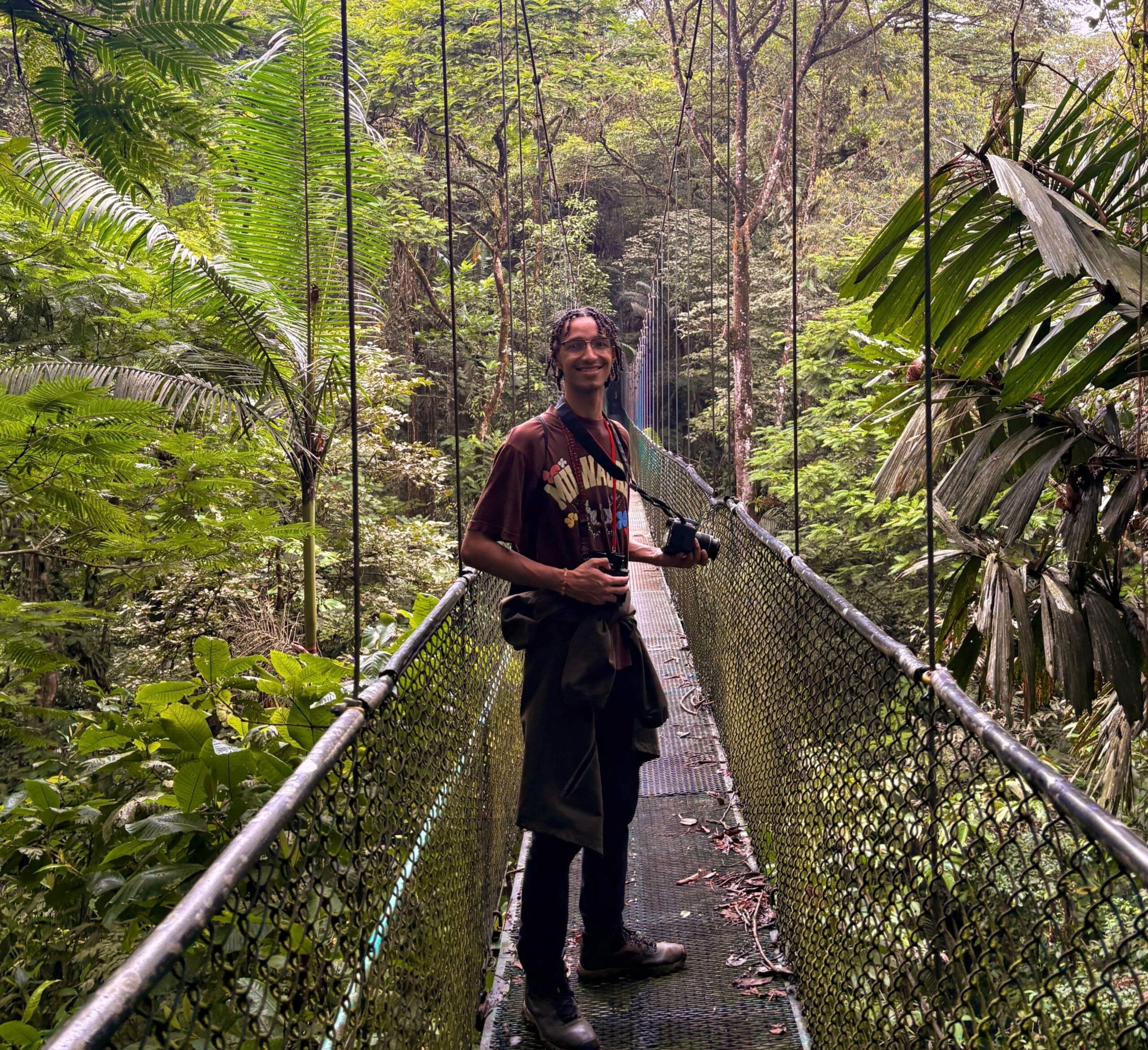
As a prerequisite for the program, I was enrolled in Tropical Horticulture Systems, a two-credit course. We learned about agricultural, horticultural, and environmental systems in tropical and sub-tropical regions around the world. The information was approachable, interesting, and applicable to my life, but studying abroad took this knowledge to the next level. Being able to visit the exact locations we studied, trying the crops directly from the field, and witnessing how these systems impact the environment made the information stick much more strongly. The hands-on experience made the information personal as it connected my actions, identity, and upbringing to a global phenomenon.
What is your most memorable experience from your program?
My most memorable experience was visiting the Pacific Ocean for the first time. The day there held so many firsts for me. I swam in the ocean for the first time, visited tide pools, went to my first national park outside of the country, and saw my favorite animal, a sea slug! The climate and culture were brand new to me; the palm trees, mountains, salt water, the sunset, and coastal culture left me in awe. I had an amazing time seeing a new region, and it has left me wanting to experience new places and environments.
Being able to visit the exact locations we studied, trying the crops directly from the field, and witnessing how these systems impact the environment made the information stick much stronger.
What is the moment you are most proud of?
The proudest moment I had was when I led discussion for our reflection at the end of the day. We visited the Boruca Indigenous people, learning about their medicinal plants, culture, and interactions with nature. We were able to paint hand-carved wooden masks that they made for us. I led an engaging discussion with three different activities. To reflect on how the tribe and we are tied to the land, I had each person draw a childhood landscape that has influenced their identity. I then had participants draw an image of something from our trip that has influenced them, resulting in an overlapping image. We then did an activity with our masks, where students got a random mask and were asked to guess why the designer painted it that way. Students then got their own masks and shared why they customized it in the way that they did. This activity showed how emotions, culture, and identity were portrayed in their creations. The last activity was a discussion, where we talked about how growing threatened medicinal plants in a monoculture could affect the ecosystem and Boruca culture.
What did you learn about yourself or the world because of your experience?
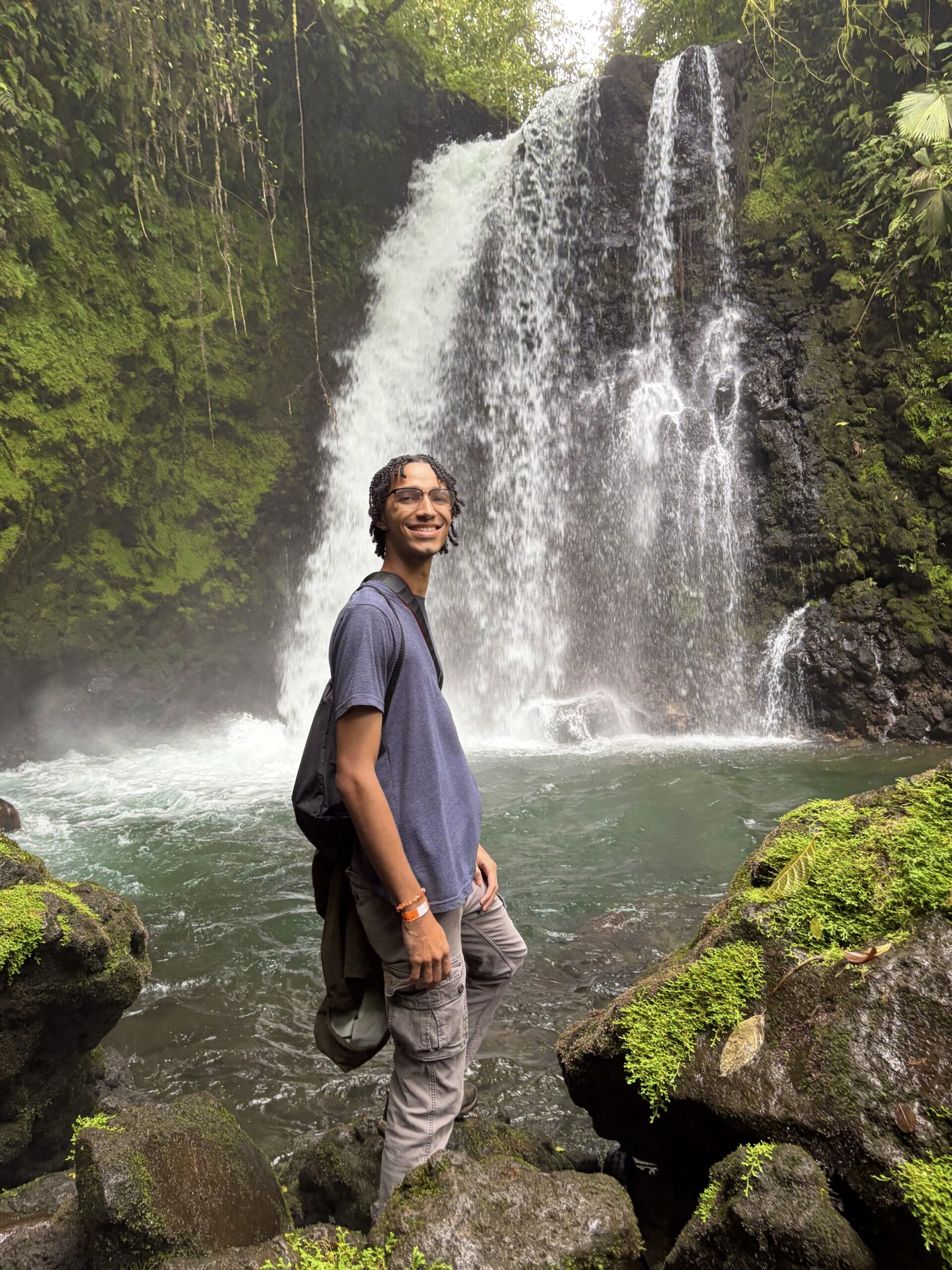
I learned just how interconnected our planet is, operating as a whole with infinite moving parts. It was exciting to see birds, for example, from Wisconsin that were in Costa Rica for the winter. Many of the agricultural systems greatly affected their economy, environmental health, and culture as they were influenced by American markets. It demonstrated how my purchasing habits affect all of these different areas, connecting me to the global world. I further understand how my choices leave international impacts, for better and for worse. The trip has equipped me with the tools and knowledge needed to make educated choices that will increase the world’s health, environment, and overall well-being.