England: Anya Bery
Program: University of Westminster, Fall
Major: International Studies; Gender & Women’s Studies
How were your program academics similar or different from taking classes at UW–Madison?
At the University of Westminster (and in the UK in general), the class and assessment structure and schedule are decently different from those we use at UW–Madison. Starting with class structure, each class only met once a week. While there are lecture and seminar blocks like there are at UW, those classes were back-to-back here at Westminster and often flowed directly into each other. The professor would lecture for about an hour, and then for the next two hours of the class block, we would do activities and discuss the readings. While there was not too much required reading, the professors also provided a reading list full of supplementary readings for each week. While not necessary, they were a good resource to look into if I didn’t understand something initially, and when I needed to find sources for various papers and assessments. For assessments and grades, I only turned in two assignments per class, and the grades on those are what make up your semester mark. These assignments were big things like policy briefs and presentations, and you don’t receive credit for participation or reading reflections, which often happens at UW. While this was a little daunting at first, it didn’t feel too different from having a midterm and final each worth a large portion of your grade.
The grading scale is also really different. There are more percentage points available for each letter grade, and most of the grades didn’t go above 80% (which is still considered an A). Seeing the lower percentage number was incredibly jarring at first, but the scale is just different. I had to internalize that I wasn’t suddenly doing exponentially worse in school; it was that the way assessments were graded and the point scale. I do have to say I prefer how classes work at UW–Madison, mostly because it was harder for me to focus when each class only met once a week for a longer period rather than two or three times. However, that’s likely because the system at UW is what I’m used to, and it was nice to see a new structure for school and how my major (International Studies) was taught with this structure in another country.
What challenges or barriers did you face during your time abroad? How did you work through them?
The biggest barrier I faced was having a dietary restriction. I have celiac disease and can’t eat gluten. In Madison and at home, I have all my go-to restaurants, bakeries, and places to get gluten-free groceries, and as anyone else with a severe dietary restriction knows, those places take a long time to find. I started planning for this months in advance, and gluten-free travel bloggers were my biggest help in this area. Through those blog posts, I was able to find places to eat out with friends, and I even made it a goal to try as many of the bakeries as possible.
While that part was fun, cooking for myself and grocery shopping were a challenge throughout my time abroad. At least in the neighborhood I lived in, the grocery stores didn’t carry a lot of budget-friendly free-from options in stores. I frequently had to buy things from Marks & Spencers, which is on the expensive end of grocery stores, and a lot of products were also free of other allergens to knock off a bunch of dietary accommodations in one go. Sometimes that’s good, but most of the time, trying to get every dietary restriction in one go makes things taste a little like cardboard. Dealing with that was mostly just me eating the same four things for dinner most of the time I was in London, and that was fine by me. It’s something I was prepared to have to think about a lot while I was traveling, and it was easier to deal with than I expected.
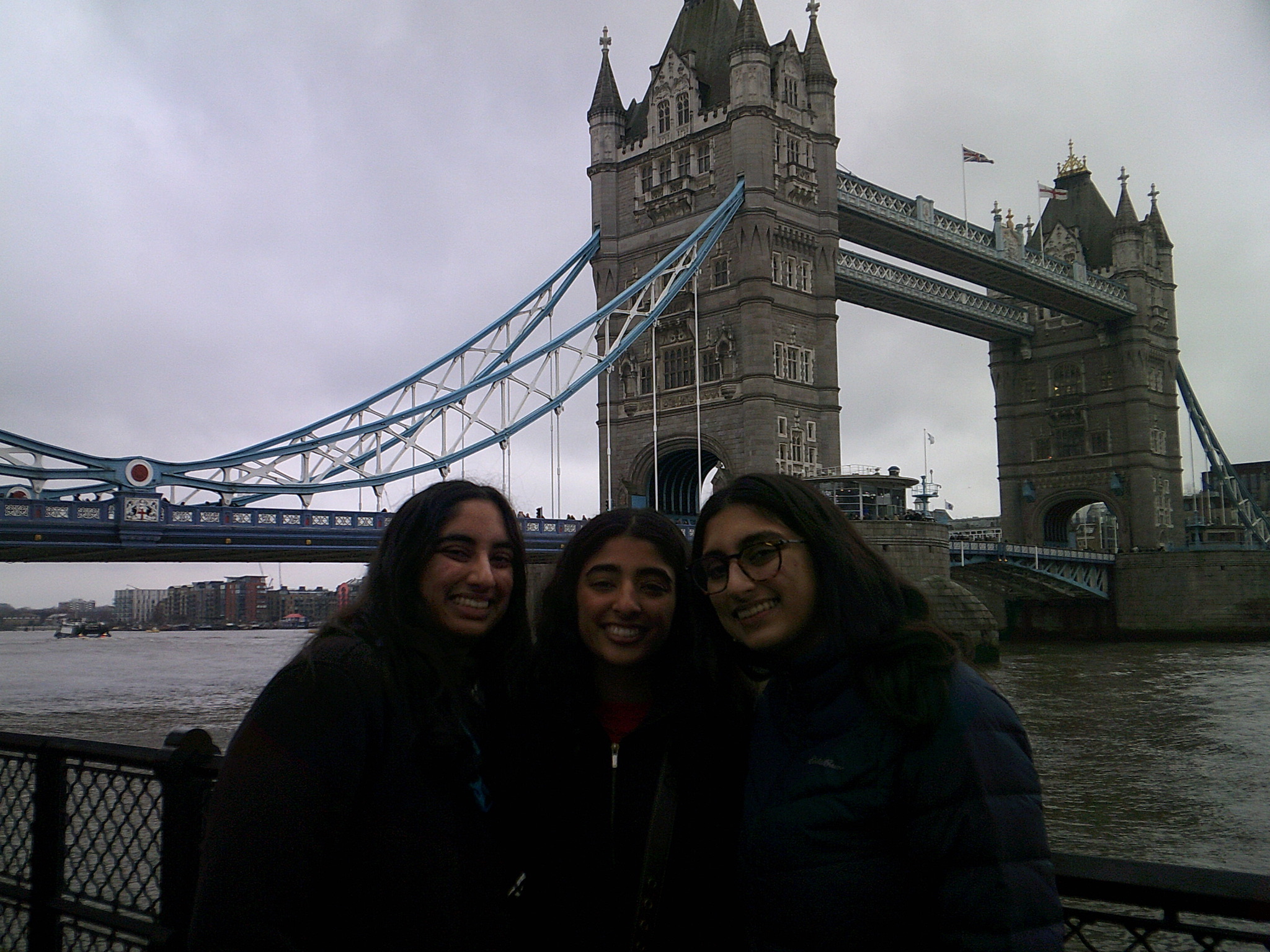
I think everyone should live in a big city at least once, and London is a great place to do that for the first time. Where I lived felt like its own little city!
How will your experience benefit you in the future? How might it affect your future career or studies?
While abroad, I learned a new perspective on a lot of the events we cover in International Studies courses at UW–Madison. Living in the United States, it’s easy to feel like the entire world revolves around us, even if you’re on top of reading about world affairs. In particular, learning about the aftermath of World War 2, the rise of the Soviet Union, and its eventual collapse, as well as the formation of the European Union, helped me gain a new perspective on current global politics and how the international system works. I’m excited to see how this changes how I think about the material in my classes here in Madison!
What is your advice for someone considering your program?
Consider how living in the city where you study abroad will be different from living in Madison, especially if you’re like me and have lived in the suburbs your whole life. Until I went to London, Madison was actually the biggest place I’ve lived, and the adjustment took a few weeks to get used to. Don’t let that scare you, though! I think everyone should live in a big city at least once, and London is a great place to do that for the first time. It’s split neatly into boroughs and neighborhoods, and each section is pretty self-contained and feels like its own place. Even where I lived (in Central London in the university residence hall in Shoreditch), it felt like its own little city rather than part of the bustle of such a huge place. It’s all manageable with even just a couple of hours of planning. Taking the time to figure out those differences before you arrive is 100% worth it.