Kenya: Steven Awve (Our Global Classroom & Learning on Excursions)
Program: SFS Endangered Species Conservation, Spring
I am currently part of the SFS Kenya – Endangered Species Conservation program, and our classroom looks nothing like the ones back at UW. Our campus sits in the foothills of Mount Kilimanjaro, offering breathtaking views of the mountain each morning. The grounds are alive with wildlife—baboons, mongooses, colorful birds, lizards, and countless insects. Twenty students and all program staff live together at the SFS Kenya Center, where we sleep, eat, study, and unwind—it’s truly our home base.

Lectures take place in the Chumba (Swahili for “room”), but most of our learning happens outside, in the field.
Pictured left: A field lecture about electric fences–a strategy to prevent elephants from destroying crop fields.
When we study topics like human–elephant conflict, we don’t just read about it—we visit farms and wildlife corridors, talk with community members, and observe how people coexist with elephants. These hands-on experiences make every lecture come alive and ground our learning in real-world contexts.
Many of our field exercises take us across iconic Kenyan landscapes. Amboseli National Park is just a 30-minute drive from campus, and for one assignment, we conducted wildlife counts along one-kilometer transects throughout the park. We identified, counted, and sexed every animal we encountered—wildebeest, zebras, gazelles, elephants, and more—to calculate abundance estimates and explore conservation questions.
After data collection, we enjoyed a “game drive” around the park, spotting new species and taking photos before stopping at a scenic overlook for lunch.
Pictured right: Two male wildebeest fighting in Amboseli National Park.

That afternoon, we visited a cultural Manyatta—a site where tourists learn about Maasai traditions within the park. For our Swahili and African Culture course, we observed and interviewed participants there, later comparing the experience to a true Maasai homestay. This contrast between tourist representations and lived culture helped us think critically about cultural exchange and authenticity.
It’s field experiences like these—where wildlife ecology, research, and community engagement intersect—that make this program so unique. Learning directly in the landscapes and among the people affected by conservation challenges has reshaped how I think about what successful conservation really means.
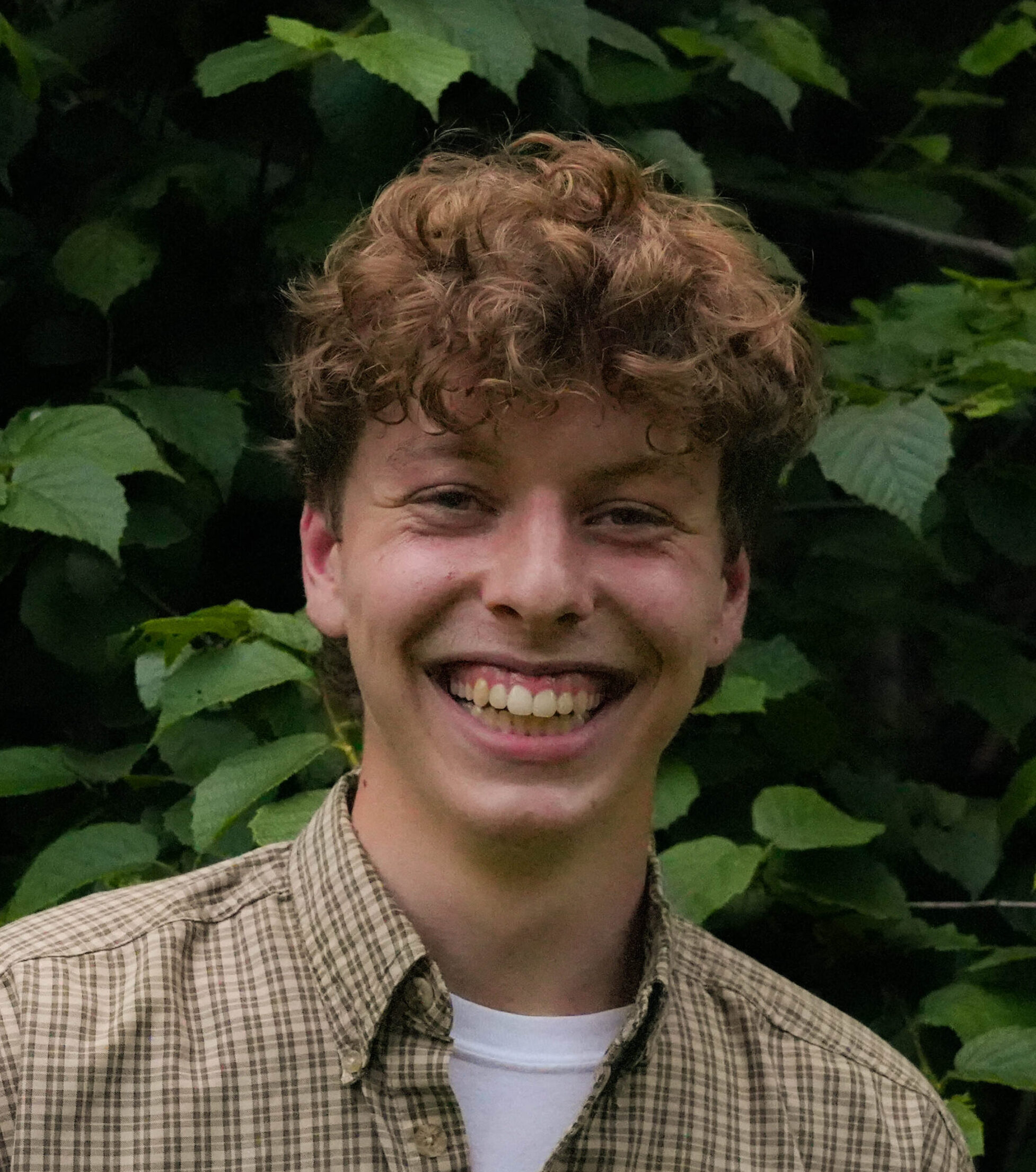
Steven Awve
Program Name: SFS Endangered Species Conservation
Major: Wildlife Ecology & Life Sciences Communication
Hometown: Wauwatosa, Wisconsin
A goal of mine for the Kenya program is to take at least one photo a day. I chose this program because of the field based nature of the courses. Getting the opportunity to learn about ecology or conservation in the classroom is one thing, but getting to live in it and see it first hand in the field is a unique and special learning environment. I am most excited to learn about how communities across different cultures engage in conservation efforts that are mutually beneficial to human livelihoods and ecosystems.