Kenya: Steven Awve (A New Experience)
Program: SFS Endangered Species Conservation, Spring
Something unique about the SFS Kenya program is that it is the only two-country SFS program. As part of our coursework and fieldwork, we traveled across Kenya and spent two weeks in Rwanda, where our academic focus was on mountain gorilla research and conservation. Rwanda is home to a large portion of the remaining mountain gorilla population, and thanks to intensive conservation efforts, mountain gorillas are the only gorilla species whose population is increasing in the wild.

Our classes were taught by staff at the Dian Fossey Fund’s campus in Musanze (pictured left).
The Dian Fossey Fund has been a leader in conservation through gorilla research, biodiversity monitoring, and community engagement, taking a holistic approach that supports both local livelihoods and protection of natural resources.
After several days of classes, our week culminated in a once-in-a-lifetime experience: trekking through Volcanoes National Park to see mountain gorillas in the wild. Gorilla trekking is a full-day process. We woke early to check in at the park headquarters where our group was divided into teams of eight. Each group was assigned a guide and a different gorilla family. After a briefing on our family and health and safety procedures, we began our trek.
We started in a community bordering the park, hiking through farm fields for about an hour before reaching the park boundary. There, we met the gorilla trackers—locals who follow the families daily to monitor their health and help guide visitors. From there, we climbed steep, muddy terrain for nearly three hours before reaching the gorillas. We were allowed to spend one hour with them, watching them eat, play, and rest. They seemed largely unbothered by our presence. Although we kept our distance and stayed quiet, some approached us out of curiosity or gently moved past if we were in their way.
Spending time with the gorillas was both humbling and unforgettable.
Pictured at right: Mountain gorilla in Volcanoes National Park.

The experience brought our classroom discussions to life, illustrating how research, tourism, and community partnerships work together to support conservation. It was a powerful reminder that protecting endangered species depends not only on science, but also on collaboration with the people who live alongside them—an approach that defined our learning throughout the program.
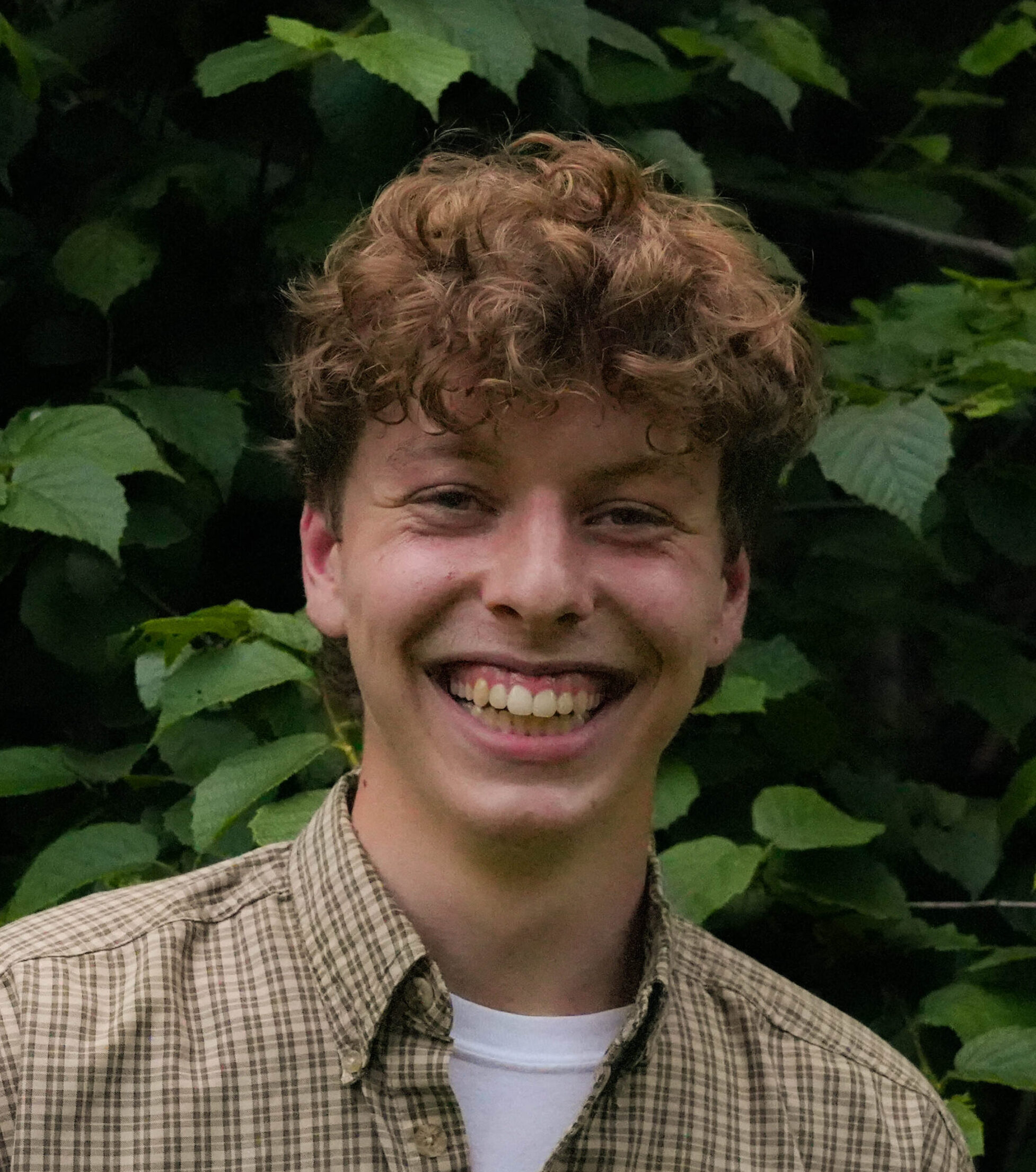
Steven Awve
Program Name: SFS Endangered Species Conservation
Major: Wildlife Ecology & Life Sciences Communication
Hometown: Wauwatosa, Wisconsin
One of my goals for the Kenya program is to take at least one photo a day. I chose this program because of the field-based nature of the courses. Getting the opportunity to learn about ecology or conservation in the classroom is one thing, but getting to live in it and see it firsthand in the field is a unique and special learning environment. I am most excited to learn about how communities across different cultures engage in conservation efforts that are mutually beneficial to human livelihoods and ecosystems.