Chile: Global Gateway Summer 2026 (First Impressions)
Program: UW Global Gateway in Chile, Summer
Mia A: Sustainable Travel Practices and Goals
In preparation for arriving in Santiago, Chile, I anticipated the sustainable practices that my cohort and I would partake in. From having the second-largest fleet of public electric buses in the world to having a vast terrain, I was excited to learn how they interact and protect their environment. Before leaving for my study abroad program, I utilized the various sustainable informational resources we have on campus.
For example, I read some of the goals our school has to make our campus more environmentally friendly and sustainable. Some of these goals include creating a zero-waste campus, achieving net-zero emissions, and catalyzing innovative research and fostering educational experiences. After reading through those goals, I wanted to learn how to make them possible and apply them to the University of Wisconsin–Madison. Within my six days here in Santiago, I quickly realized that the country and its citizens have a great appreciation for the earth around them and adopted significant ways to maintain its beauty.
One of the major issues worldwide is how to reduce the massive resource consumption and carbon emissions of industrial agriculture. To combat this problem, people can grow their own vegetables, fruits, and herbs in a home-grown garden. One individual that conveyed the importance of this practice is a citizen of the Cajón Del Maipo, Patricia. She kindly welcomed our cohort into her home, garden, greenhouse, and the space where she produced dehydrated fruit. She even let us sample some of her final products and made us fresh bread with avocado from her garden. Through this opportunity, I gained a greater appreciation for the value of growing your own food and the connection it creates between people and the environment. This has inspired me to begin growing some simple herbs at home, like basil and oregano. To apply this back to our campus, we could hold simple classes on how to grow certain fruits and vegetables or have more local gardens that produce fresh fruit and vegetables.


During my time in Santiago, I hope to continue to learn about sustainable practices and incorporate them into my daily life. One of my goals is to be mindful of my environmental impact by using public transportation more, reducing my own waste, and supporting local businesses. As I continue my experience, I look forward to discovering additional practices that I can bring back to Madison and share with others in my community.
Tristin C: The 5 Senses in Santiago
After arriving in Santiago, one of the first things I noticed was how different everything felt from Wisconsin, even in ways I didn’t originally anticipate. I had prepared myself for a new city, but I didn’t think about how different the landscape and environment would actually feel. The mountains immediately stood out to me. The Andes surrounding Santiago make it feel dramatic and beautiful in a way that is very different from home. Even the trees stood out, and the climate felt noticeably different from Wisconsin’s autumn weather.
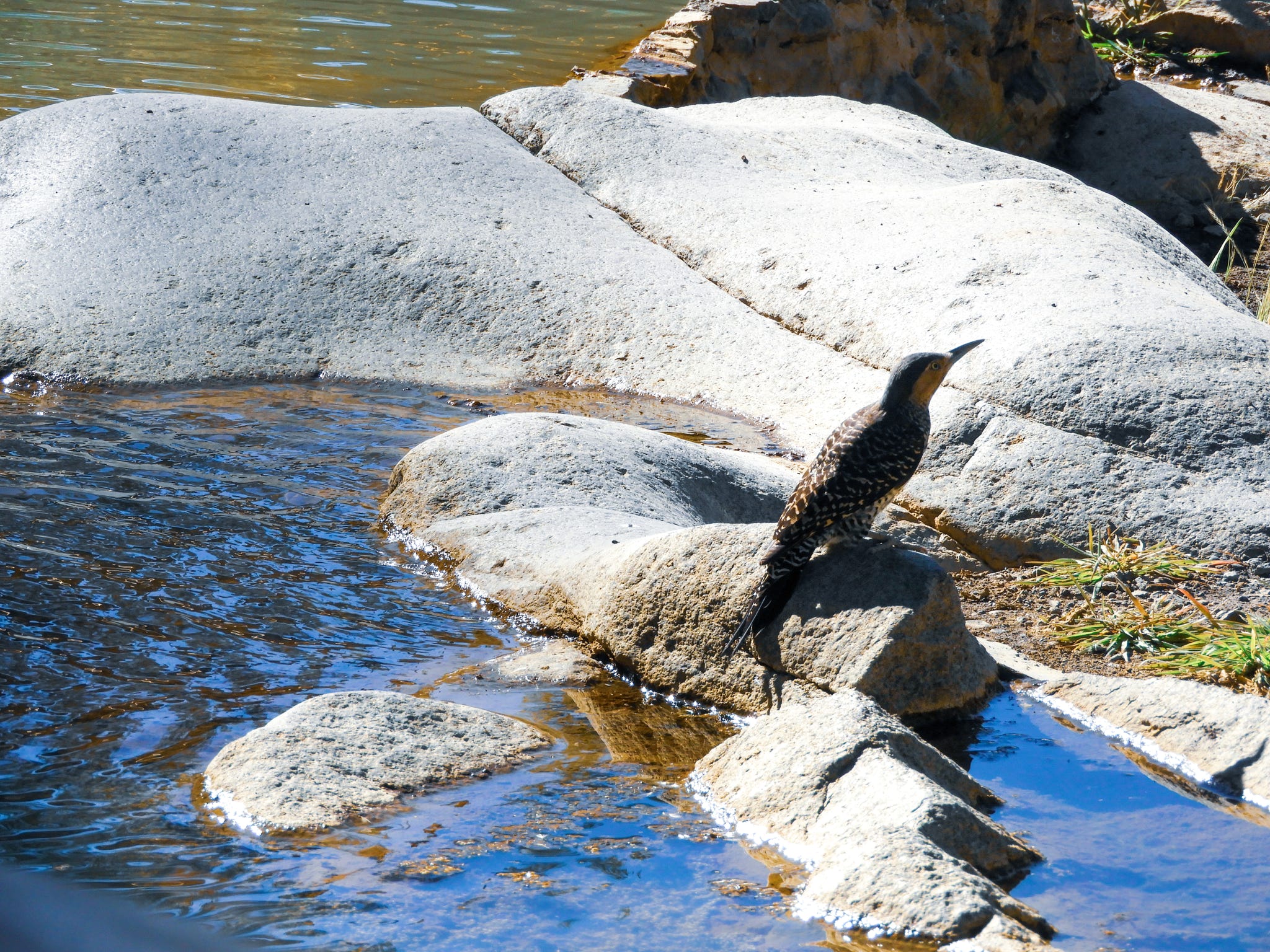
One of the most memorable parts of my first impressions was what I heard, and didn’t hear, around me. The city wasn’t super loud as I expected it to be, and the sounds of the birds were beautiful. Even though the city can feel quiet at times, there is always something happening in Santiago: conversations in Spanish, music resonating through public spaces, and the ebb and flow of city life.

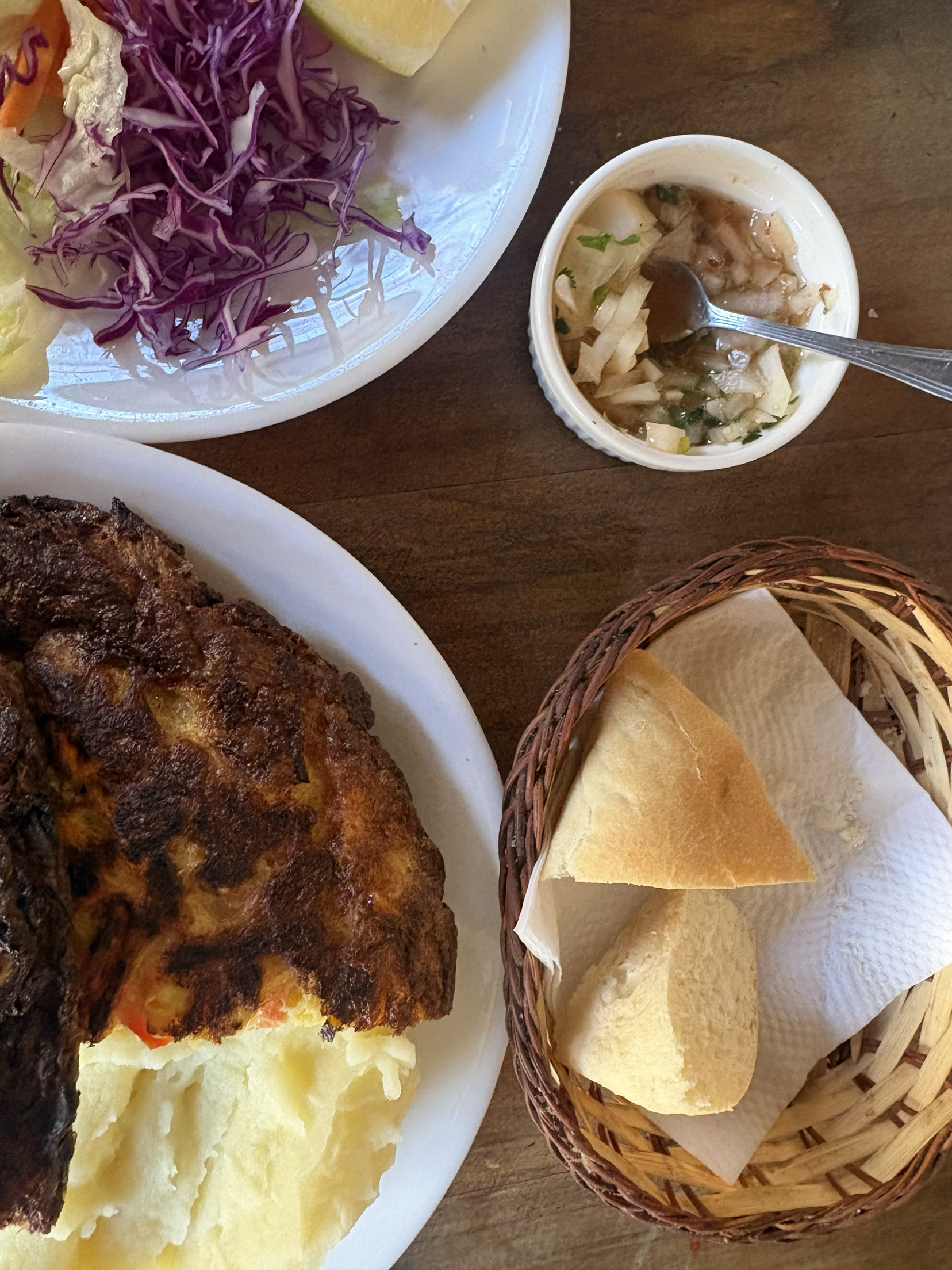
Trying new foods has also been a super exciting part of this experience. One of my favorites was a ham empanada; it was crispy and bigger than I expected, making it a wonderful first food to try in the city. I also tried a completo, which is Chile’s version of a hot dog, something very different from what I would usually eat at home. A final highlight has been the fresh juice; it seems like such a small thing, but it has become one of my favorite parts of daily life in Santiago.
One of the strongest feelings I had when arriving was actually relief. Before coming to Chile, I was worried I would feel overwhelmed adjusting to a new country and schedule. Instead, I felt comfortable and excited, feeding off the energy of my cohort. Having a group of people to explore with and share new experiences has made the transition feel so much easier and has already become one of my favorite parts of the program.
Overall, my first impressions of Santiago have been shaped by its beautiful landscape, new foods and sounds, and a sense of excitement. While there is still so much more I want to experience, I’m already so grateful for the opportunity to be here and excited for what the rest of the program will bring.
Asia R: “We’re not in Madison anymore” Moment
There was one day out of our many excursions where we took a stop at a kind women’s home before we headed to Cajon del Maipo. During this time, she talked about the upkeep of her garden, the way she makes fresh bread, and the amazing dried fruit she sells from the things that she plants. In her garden, she had plenty of fruits like green apples, cherries, oranges, a Chilean cultural fruit, etc, along with vegetables such as tomatoes, cilantro, eggplant, etc. Not only did she have produce, she also had loads of flowers planted which I thought was awesome since that is something I aspire to do!
In the picture, you can see the Andes mountains displayed beautifully and she tied it to a story about her father leaving the very house she lived in with her. Her father left to retrieve further education and her other family members who lived around that same area evacuated a long while ago due to being displaced because the land was not safe to live on during that time. The land was struggling with water resources along with natural disasters because the government was trying to dry the mountains of its water resource. Over time, scientists told them what harm that would cause so that caused a halt to the actions that they were taking, but due to a new presidency in Chile, President Kast, he has withdrawn 43 laws helping achieve sustainability in Chile.

Knowing all of this knowledge, along with being in the woman’s garden, it made me realize that being immersed in nature, having all the resources we need, and being surrounded by the sounds of animals was such a big difference than being in Madison. While in Madison, I am so used to the sounds of loud cars, polluted air from cars and building chimneys, fruits that don’t come from a fresh space, and overall the feeling of non-connectedness. In Chile, family and community is such a big aspect for them and there isn’t any feeling of independence that people in Madison/U.S. curate a lot of the time. Most people want to be in their own space, invite people over for a certain amount of time, then are ready for them to go, but in Chile there is no time limit. Family time is anytime of the day and can last forever without having the feeling that you are in a time crunch to leave someone’s home. I really valued that sense because in Madison or my hometown, I don’t feel that enough.
Through my experiences in Chile, I want to curate the idea of just being. Being one with nature, animals, people, and overall simply existing while caring for one another.