France: Abdulkarim Aitelhassouni
Program: Academic Program in Aix-en-Provence, Spring
Major: History; French
How were your program academics similar or different from taking classes at UW–Madison?
The university system in France can feel very different to the United States. For one thing, the relationship between students and professors is more formal and distant. It can be difficult to reach your professors outside of class by email or office hours. Students are expected to learn the content more independently, whether that means doing extra research on their own, receiving tutoring, or making study groups with other students. Because of this, it can feel like there is a strong sense of solidarity with other students. It is also true that there is generally less homework compared to the United States. While you might be assigned readings and practice assignments, finals generally account for the vast majority, if not your entire grade. Instead of homework, you are expected to keep up with your classes by studying your notes, doing practice assignments, and doing your own research. For this reason, it is very easy to fall into the trap of coasting through your classes, especially as Americans who aren’t used to this system. It is important to keep up with your classes; otherwise, you can fall behind fast.
The time you spend in class can feel much longer compared to the United States. Instead of two or more lecture periods for each class per week, they are often squeezed into one block once per week. At Aix-Marseille University, this means you can have a two, three, or even four-hour class once per week. While you are often given a small break in the middle of class, it can still feel exhausting, especially as they are taught in French.
I have also found that it is more easygoing and flexible. From time to time, professors will cancel classes, change rooms, show up late, or end class early. You won’t know when your finals are until late in the semester. It’s important to keep on top of changes to your classes and schedule but also be more open to them in the first place. The style of lectures and essays can also feel different. Professors speak during most of the lecture while students write everything down. In my experience, there was less discussion and participation compared to my classes at UW–Madison. Essays are less thesis-driven and are more of a discussion where points are equally weighted against others. It can take time to adapt to these things, especially in another language. There is still a sense of academic rigor that is expected of you.
While this can look differently to the United States, you’re still expected to take initiative and responsibility for your own learning. In many ways, studying in France taught me to become more independent and disciplined as a student. Overall it was very rewarding to study in this kind of academic environment even though it was challenging.

What challenges or barriers did you face as you prepared to go abroad and/or during your time abroad? How did you work through them?
One of the main challenges before going abroad was getting the student visa. It is not necessarily difficult to obtain, but it involves a lot of paperwork, appointments, and deadlines that come at some of the busiest parts of the semester. It can sometimes be stressful to navigate the process, but luckily there are amazing people in the study abroad office who can help you through it at any point. I would recommend working through the deadlines as early as you can and not putting them off until the last minute.
While abroad, the main challenge for me was, unsurprisingly, the language. The accent, pace, and slang of spoken French were intimidating and difficult to keep up with at first. At the beginning of the semester, it was frustrating to not understand some of my lectures. Even simple things like ordering food, asking questions, or navigating signage were overwhelming at first. The main thing to keep in mind is that this initial shock and frustration pass with time. By the end of the semester, I was surprised by how much more I understood in my lectures and how much more confident I felt talking with locals. I learned that you have to move past making mistakes and getting embarrassed because it will happen a lot. It is more important that you stick with it and don’t stop trying to speak, listen, read, and write French. Over time, I also found it helpful to stop translating everything into English in my head and instead try to think and communicate expressly in French.
Some cultural differences took time to adjust to. Things like the more relaxed attitude towards time, the structure of the university system, and different social expectations could be frustrating to navigate at first. For example, I found that people are more direct in conversation and are often more comfortable with disagreement or debate than people in the United States. Arguments are not necessarily viewed negatively but as a normal and productive way of working through ideas or solving a problem. This was especially noticeable with politics, which people discuss much more openly and casually than in the United States. Experiencing differences like these taught me to be more open-minded and adaptable. I noticed that once I stopped expecting things to work the same way as it does at home, I became less stressed and more able to appreciate what was around me for what it was.
Homesickness was also something I experienced while I was abroad. This was definitely more of a problem towards the end of the semester. Keeping in touch with friends and family back home helped a lot. However, I learned that there is a balance because you do not want to spend too much time mentally back home instead of engaging with what is around you. This was especially easy to slip into during times when I felt isolated or unsure of what was going on. It is important to make a routine and life for yourself while staying connected with people back home.
I noticed that once I stopped expecting things to work the same way as home, I became less stressed and more able to appreciate what was around me for what it was.

What is a custom, food, or tradition from your host country that you are taking forward?
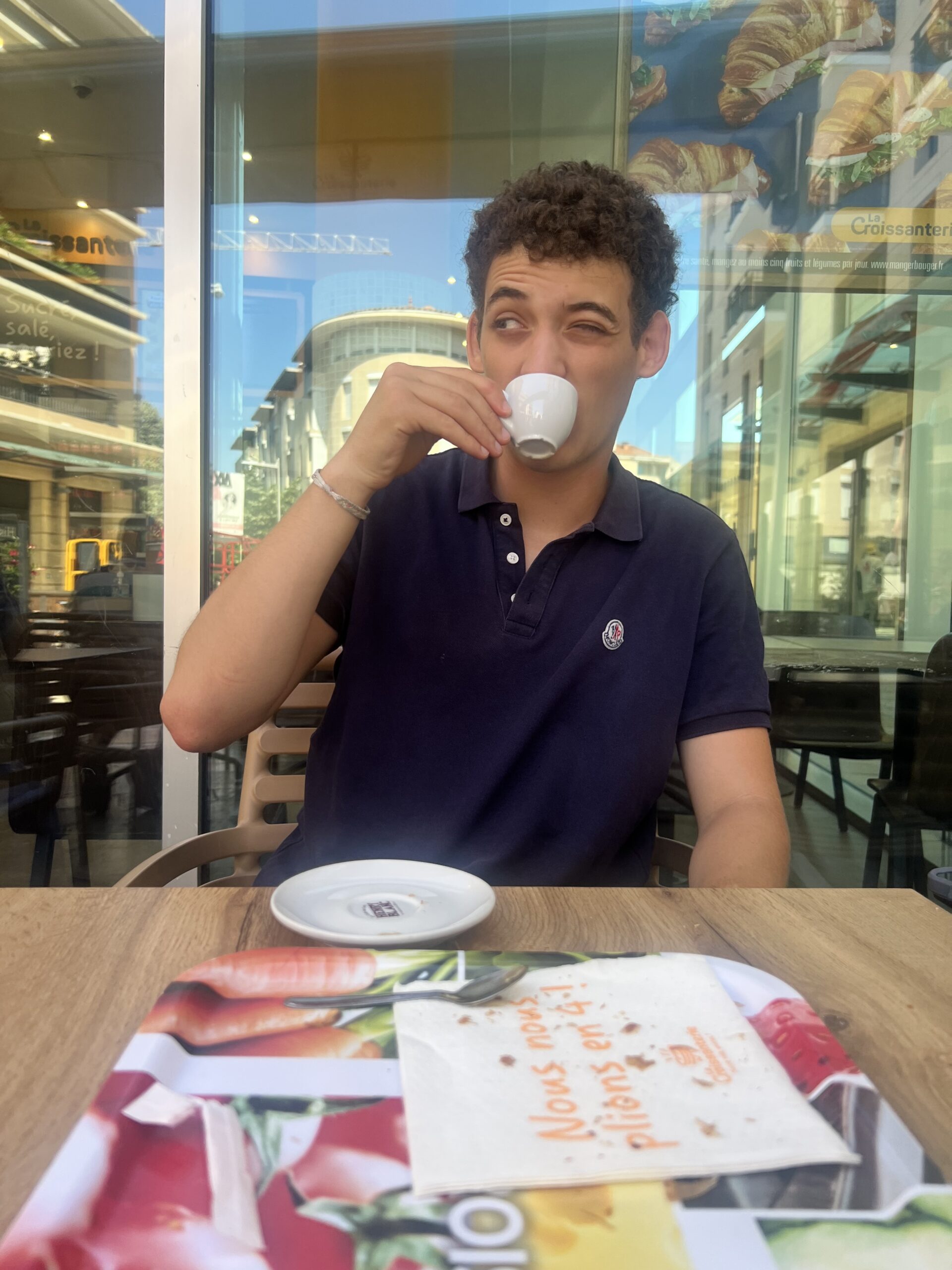
One thing I will definitely take forward from France, and Provence in particular, is the more easygoing pace. I really enjoyed the cafe culture and social etiquette, which to me felt stronger and more international than in the United States. People take the time to sit, talk, and enjoy being with one another instead of always rushing to the next thing. I liked the importance placed on greeting people, saying goodbye properly, and making time for conversation even in everyday interactions. Overall I think I will carry forward the mindset of slowing down and being more present. Living in Aix gave contrast to the hustle culture and rapid pace of life in the United States. I appreciate being in a place where more people seem to value balanced conversation, food, and quality time as much as productivity.
What is your advice for someone considering your program?
I strongly recommend the program if you want to improve your French, experience an amazing region of France, travel, and challenge yourself personally and academically. The best way to learn a language is through immersion, and living and studying in Aix will give you more opportunities to use French than you might ever have. Even though it can be challenging, over time you will become much more confident and comfortable speaking and understanding French. Provence also offers a unique and beautiful side of France. The south of France is romanticized for its slower pace of life, warm weather, markets, cafes, and landscapes. This can definitely be found, but it also has a very vibrant and energetic side to it, especially through student life in Aix and the culture of nearby Marseille. So there is a balance that makes the region feel very alive.
One of my favorite parts of living in Aix was getting outside and exploring the nature around the city. There are so many trails through the countryside, along the coast, and up places like Montagne Sainte-Victoire, which became one of my favorite places to hike. Some of my favorite memories this semester came from hiking with friends and going to the beach in Marseille. The program also offers free excursions to places around the region so you can get a taste of the different towns, historical sites, and culture. There are also options for exchange dinners, art and music events, and even classes offered through the program that helped create a strong sense of community with other Americans in the program. I also think this program is a great way to challenge yourself and grow as a person.
Living and studying in a foreign place and culture definitely feels uncomfortable at times. There are many moments when you feel lost, frustrated, embarrassed, or overwhelmed. However, learning to put yourself out there and continue showing up every day despite that discomfort teaches you a lot about yourself. It forced me to become more independent, adaptable, and confident. I think I am much more comfortable handling uncertainty and navigating problems on my own. All of this shows that growth comes from situations that make you uncomfortable and when you make mistakes.