South Africa: Rowyn Hansen (Our Global Classroom)
Program: UW Wildlife Conservation in South Africa, Summer
To preface, I am double majoring in Wildlife Ecology and Animal and Vet Biosciences. A lot of my classes have a lab and discussion component beyond a typical lecture setting but even then, the labs or discussions aren’t as hands-on as the “UW Wildlife Conservation in South Africa” program has been. Discussions and fieldwork are the main focus of the course, with an actual lecture setting (I consider this sitting down, listening to someone teach and actively taking notes) occurring only for about 1-2 hours a day. The other majority of our day is spent out in the field doing various activities. Over the course of the two-week program, we do numerous bush walks on foot, bush drives in open-top safari vehicles, and a few preservation engagement projects.
Lectures are semi-similar to your typical lecture you would experience at UW–Madison. However, it is in a more relaxed setting. The lectures are also not all taught by the same professor or researcher. On this program, we get the opportunity to hear from current researchers at the reserve we are staying at. So far, lecture topics have included the relationship between cheetahs and lions, potentially dangerous animals, and hippopotamus impacts in Colombia. The lectures are super engaging, and since we are in a small group of only 18 students, we are encouraged and given plenty of time to ask questions and debate lecture topics.
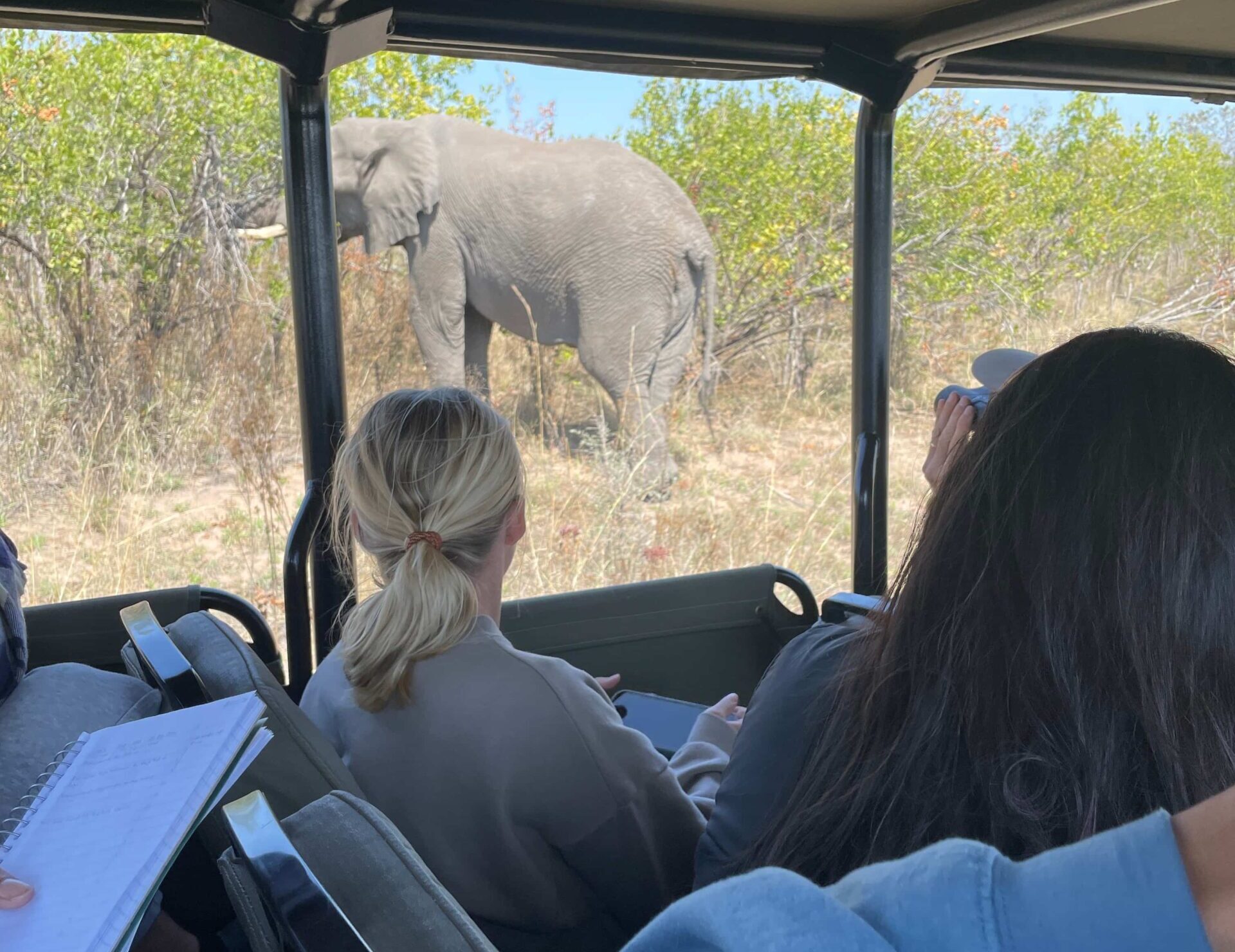
This course does not have discussion or lab like anything you would see in your typical UW–Madison course. I would consider our time out in the field to take the place of both of those aspects. This program offers a lot of learning on the job, hands-on and fieldwork experience. During the bush walks or drives, we are taught by the guides how to track animals. This involves noticing the direction their tracks are facing, how fresh their dung is, and looking for other signs such as knocked-over trees or animal-specific grazing patterns. Also being able to recognize what animal made the tracks or what animal the feces belong to. During all of these activities, we are encouraged to practice these skills; the guides often ask us questions related to the animals before they reveal what the animal was. We are also encouraged to ask questions in the field all the time. On every drive, we rotate who sits in the passenger seat next to our guide so that they are better able to converse. We also cycle through who gets to be in front of our single-file line on the bush walks, again, for the same reason
During the preservation engagement projects, we are taught ecosystem restoration techniques. We were able to remove numerous pounds of trash that had been picked up from nearby towns and carried into the preserve due to intense flooding during the rainy season. We also restored a road that experienced too much erosion due to flooding and constant use.
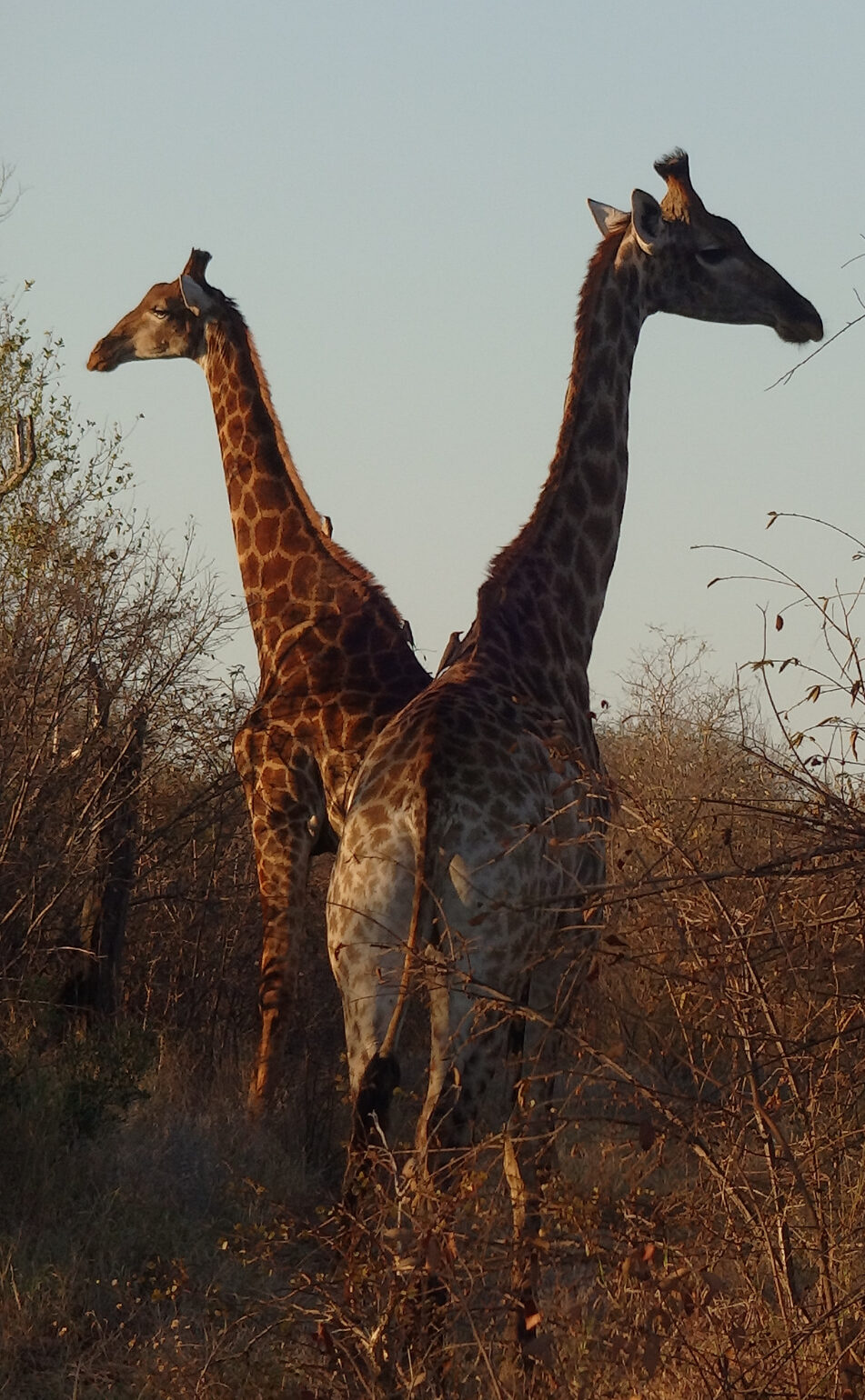
I think one of my favorite pieces of information that I have learned and actually been able to see in real time is that when oxpeckers (Buphagus africanus) are flying and swoop down out of the sky suddenly, it almost always means there is an animal there, since they actively seek out larger animals that attract bugs they enjoy eating. We have seen these birds on giraffes (Giraffa camelopardalis), white and black rhinoceros (Ceratotherium simum and Diceros bicornis) and African buffalo (Syncerus caffer).
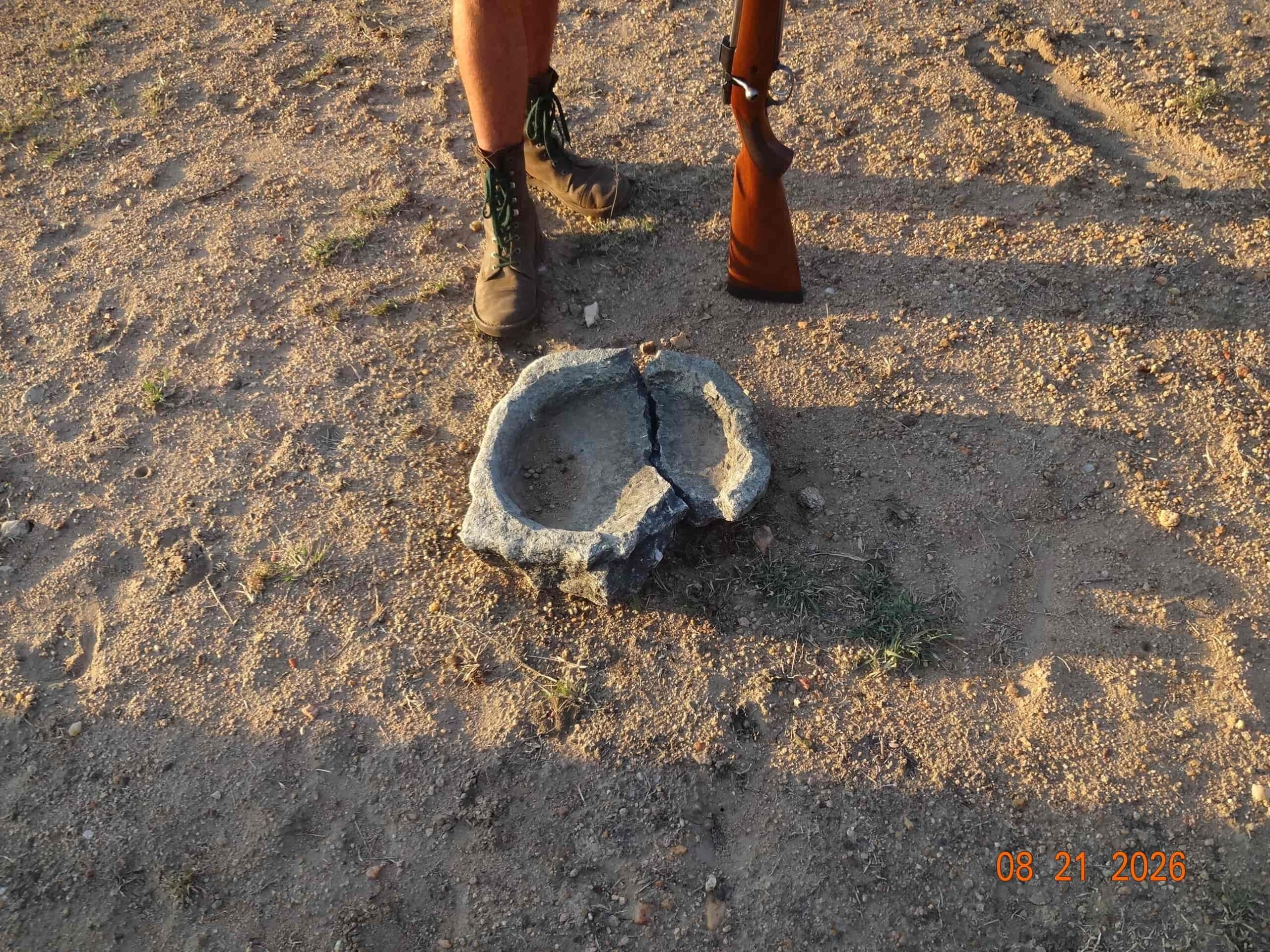
There also happens to be a lot of ancient artifacts on the land where this program is held. Guides here have found everything from primitive stone tools, to arrow heads, to tableware. From finding artifacts like these, guides can better understand the land this reserve occupies and are able to apply that information to restore the land back to its natural state.

Rowyn Hansen
Program Name: UW Wildlife Conservation in South Africa
Major: Wildlife Ecology; Animal and Veterinary Biosciences
Hometown: Cleveland, Ohio
I chose this program because I wanted experience with exotic wildlife and a look into the conservation efforts of other countries. One of my goals is to conduct hands on research and provide restoration efforts with a small, intimate group of people. While I am there, I look forward to learning all about South African culture, food and customs!