Japan: Macy Lor (My “We’re not in Madison Anymore” moment)
Program: AIP Internship in Tokyo, Summer
My “We’re not in Madison Anymore” moment happens all the time when I’m on the train to work or going back home. As soon as the doors are closed on the train, everyone becomes quiet. I notice that trains can become really crowded but yet quiet at the same time. Almost everyone was looking at their phones, reading, sitting quietly, or even taking a nap on the train. I was surprised because back home, I’m used to hearing people talk on the phone, louder noises, and even small conversations. On the trains, there would be little monitors that would tell you when the next train stop would be. It also mentions that people should refrain from talking on the phone on the train. The train felt very peaceful and quiet despite how busy it was. I learned that people in Japan are very reserved and tend to keep to themselves when going to work and going back home. Also, keeping noise to a minimum is a way of showing consideration for the people around you, especially during busy commutes. After experiencing this in person, it made me understand how Japanese culture values respect for public spaces that are being shared with everyone. I also started to lower my voice when talking to my friends on the train, as well as avoiding phone calls, which has helped me adapt to becoming a local instead of standing out as a visitor.
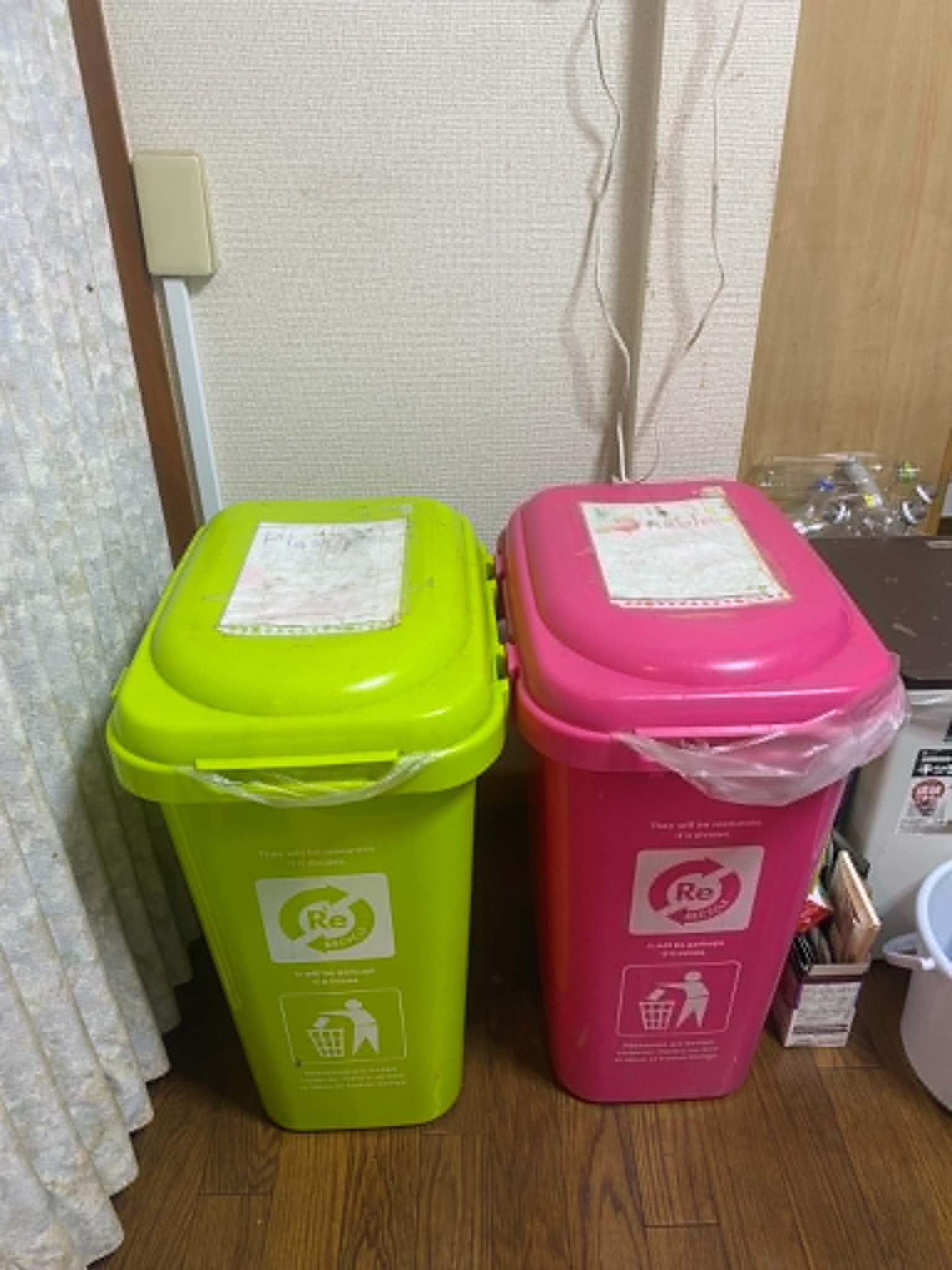

A cultural practice I noticed is labeling different types of trash and recycling bins in Japan. It is required for people living in Japan to label each trash bin that is designated for specific types of waste. The different types of waste are burnable trash, plastic, cans, and PET bottles. Before coming to Japan, I was unaware of how the system worked and was worried about how I was going to separate my trash. Later, I learned that Japan enforces strict trash separation to promote recycling and reduce landfill use. Labeling and separating trash can promote responsibility and neighborhood cleanliness.
When I first arrived in Japan, I was unaware of the walking directions where people have to stand on the left side of the escalator. This allows people to pass through on the right side when they’re in a rush. I was standing on the right side of the escalator when I first used the train system. I stood next to my friend on the right not knowing that it was used for people to pass through when they’re in a rush. My friend later explained to me about the walking directions and how I should stand on the left side of the escalator. It helped me better understand the etiquette used in public spaces as it reflects the importance of having social harmony between people.
When I was in Osaka, I learned that the walking direction on the escalator are the opposite compared to Tokyo. People stand on the right side of the escalator while people pass through on the left side. This surprised me because I assumed the practice would be the same throughout Japan. It made me realize that social practices can be different in various cities and regions within the same country.

Macy Lor
Program Name: AIP Internship in Tokyo
Major: Health Promotion and Health Equity
Hometown: Appleton, Wisconsin
Participating in the Asian Internship Program in Japan will help me achieve my academic, professional, and personal goals by gaining an international perspective. Japan’s work environment emphasizes discipline, respect, communication, a strong work ethic, and hospitality, which will allow me to observe approaches that differ from those in the U.S. work environment. I look forward to trying different types of Japanese food each week during my internship!