Japan: David Miller (My “We’re not in Madison Anymore” moment)
Program: Keio University, Academic Year
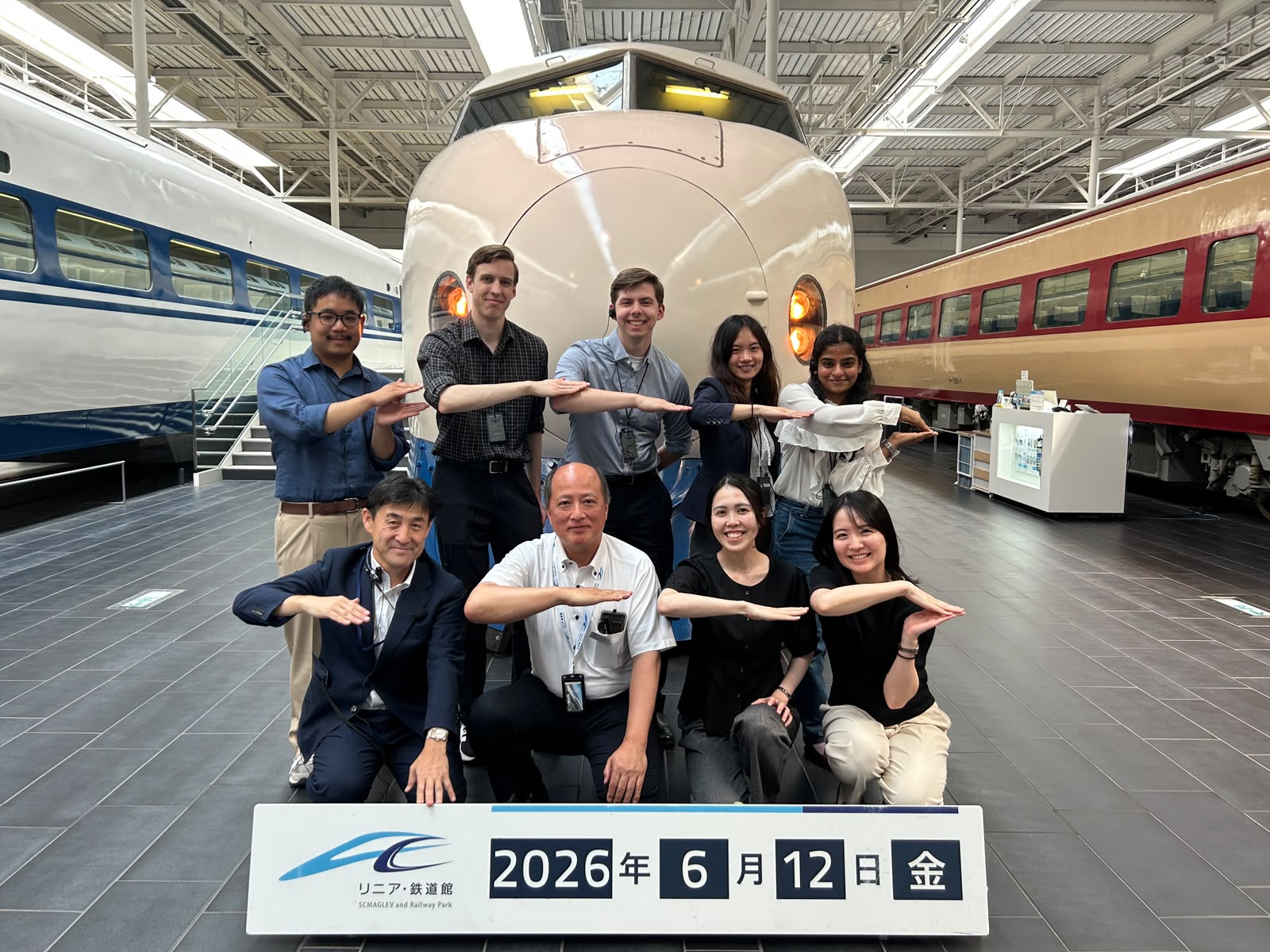
Something you should know about me is that I love trains. It’s not just trains; I’m interested in transportation generally, and other urbanism-adjacent topics like sustainability and housing. But I always come back to transportation. This summer, I had the unbelievable opportunity to work as an intern at Central Japan Railway. We got to ride the SC Maglev test track at 311 mph, explore a construction site directly beneath active high-speed rail tracks, and speak with experts from nearly every department in the company. Throughout that internship, I became somewhat familiar with Japan’s rail system.
When it was my second full day in Japan, and I had to commute to Keio University for the first time, I wasn’t worried. I’m taking the Japanese Language Program at Keio, which requires an in-person placement exam. The exam was to start at 9:00am and my navigation app said the commute would take 40 minutes, so I left at 8 to give myself some extra time. The walk to the station, although hot and humid, was easy enough. I swiped my Suica transit card to get through the gates, which is when I started to realize what was happening. I knew that it would be busy. But when the first train flew into the station, I began to understand what the next hour would have in store for me.
The train rolled to a stop. At this point, sweaty, with my backpack around my chest to take up less space, I was the tenth person in one of two lines to get through one of three doors in one of ten cars. I watched a dozen people rush off the train, the passengers by the door having to get off to make way. The commuters ahead of me in line jammed into the train, a mass of bodies and bags with a volume exactly matching that of the train car. The last few to get on had to balance, clinging to the crowd so as not to fall out of the car before the doors closed.
My turn looked similar. The last one on the train, I had to ensure nothing got caught in the closing doors as I pressed into the crowd. Then, for the next few stops after that, I got off the train and reboarded, each time a little bit deeper into the crowd. At one point, there were no handles I could reach. This wasn’t a problem because I was supported on every side by the crowd. There was no way I could fall over. In that crowd, there was nothing I could think except “This is NOT Madison.” The public transportation in Madison, or almost anywhere else in the United States, isn’t convenient enough to be worth the squeeze; it is in Tokyo.
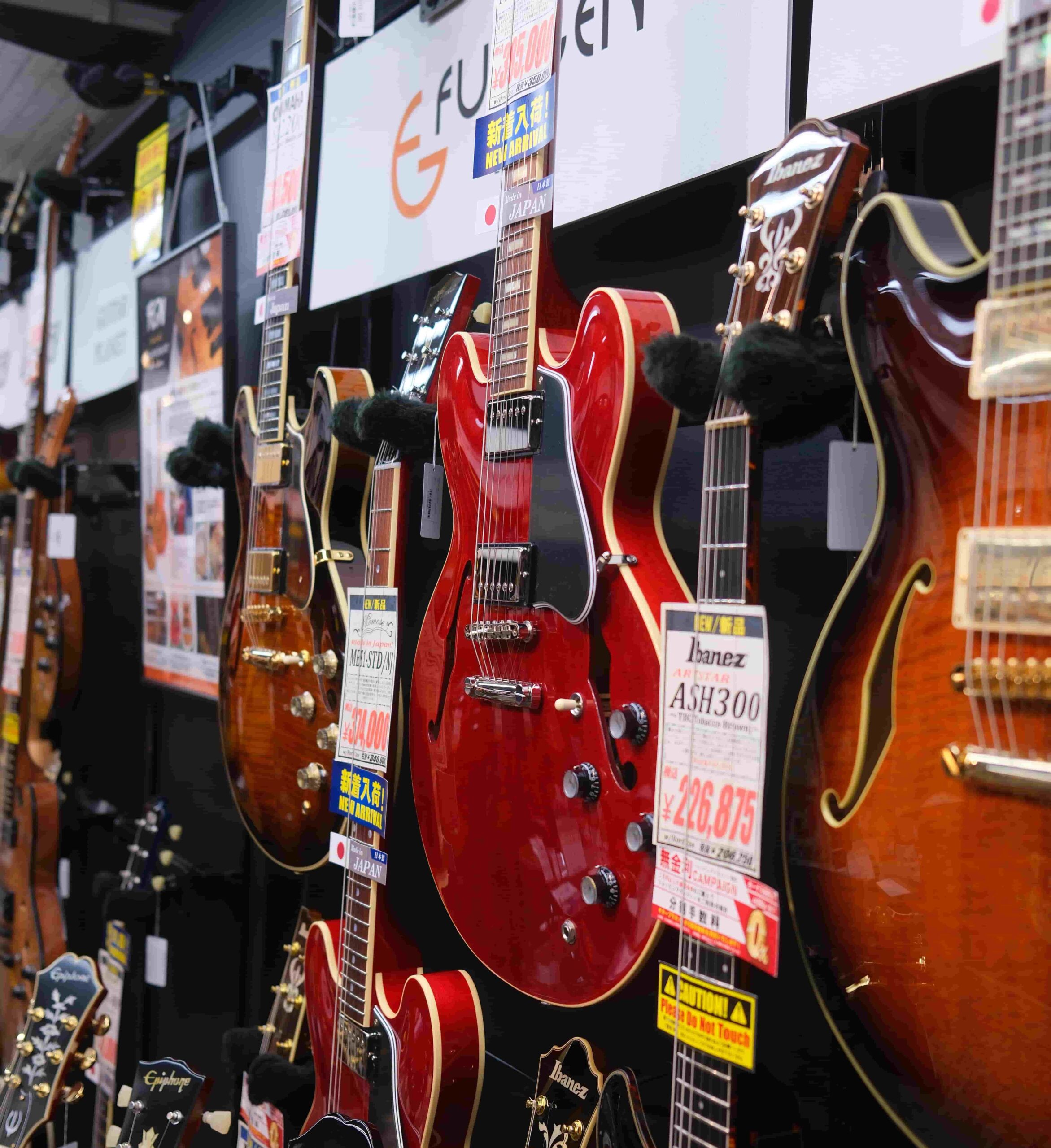
I made it to the test, by the way. I walked in about 2 minutes before it started, vowing to myself to never take the train at rush hour again. Since then, I’ve gotten a much better feel for using the conventional rail. I now know what to expect and have been commuting without using navigation at all. And my opinion of the trains hasn’t really changed. Obviously rush hour isn’t always comfortable, but there’s so much to love about Tokyo. The rail system makes all the unique things it has to offer readily available. My favorite stop so far has been Ochanomizu, known for “guitar street”.
I knew about rush hour, I mean, I’ve seen the videos, but to experience it was a totally different thing. This experience reminded me of the purpose of a study abroad program – you’re really living in your program location, not just visiting, so you see the bad and the good.

David Miller
Program Name: Keio University
Major: Environmental Studies; French
Hometown: Wauwatosa, Wisconsin
Other than speaking as much Japanese as possible, I want to make a point to visit every ward in Tokyo! There are 23, so visiting each of them will force me to go outside my comfort zone, talk to locals, and try new things. I chose Keio University because I knew that I wanted to go to Tokyo. I love big cities and trains, so there isn’t another place I’d rather get to live in for a year. I am most looking forward to experiencing Tokyo’s music scene. From back-alley jazz bars to the Tokyo Dome, I can’t wait to go to every concert I can get tickets for.