Ireland: Jonathon Gregory (Our global classroom)
Program: University of Limerick, Fall
As I have now reached the halfway point of the semester here at the University of Limerick, I can confidently say that I have had many more learning experiences since my last entry. In addition to gaining practical knowledge, I have completed assignments, exams, and numerous collaborative group projects.
At UL, the coursework is much more practical and project-driven than the theoretical work I am used to at the University of Wisconsin. I am currently enrolled in five civil engineering courses that are all part of a larger, integrated module. This overarching module combines the learning objectives and assignments of all five courses toward a single comprehensive project: the design of the White Box Student Accommodation. It is a 1,400-bed campus development that will include a gym, student canteen, parking facilities, and various residential amenities. Every course teaches a different portion of design, allowing us to immediately apply lecture techniques to assignments that feed directly into the White Box project. For example, in my concrete design course, we focus on sizing structural elements like columns, beams, and slabs for the proposed student accommodation. In my soils class, we study bearing capacity failures, and our assignments task us with calculating and suggesting a foundation solution for the very same development. This pattern continues across all my classes, letting us build our structural design knowledge layer by layer as the semester progresses.
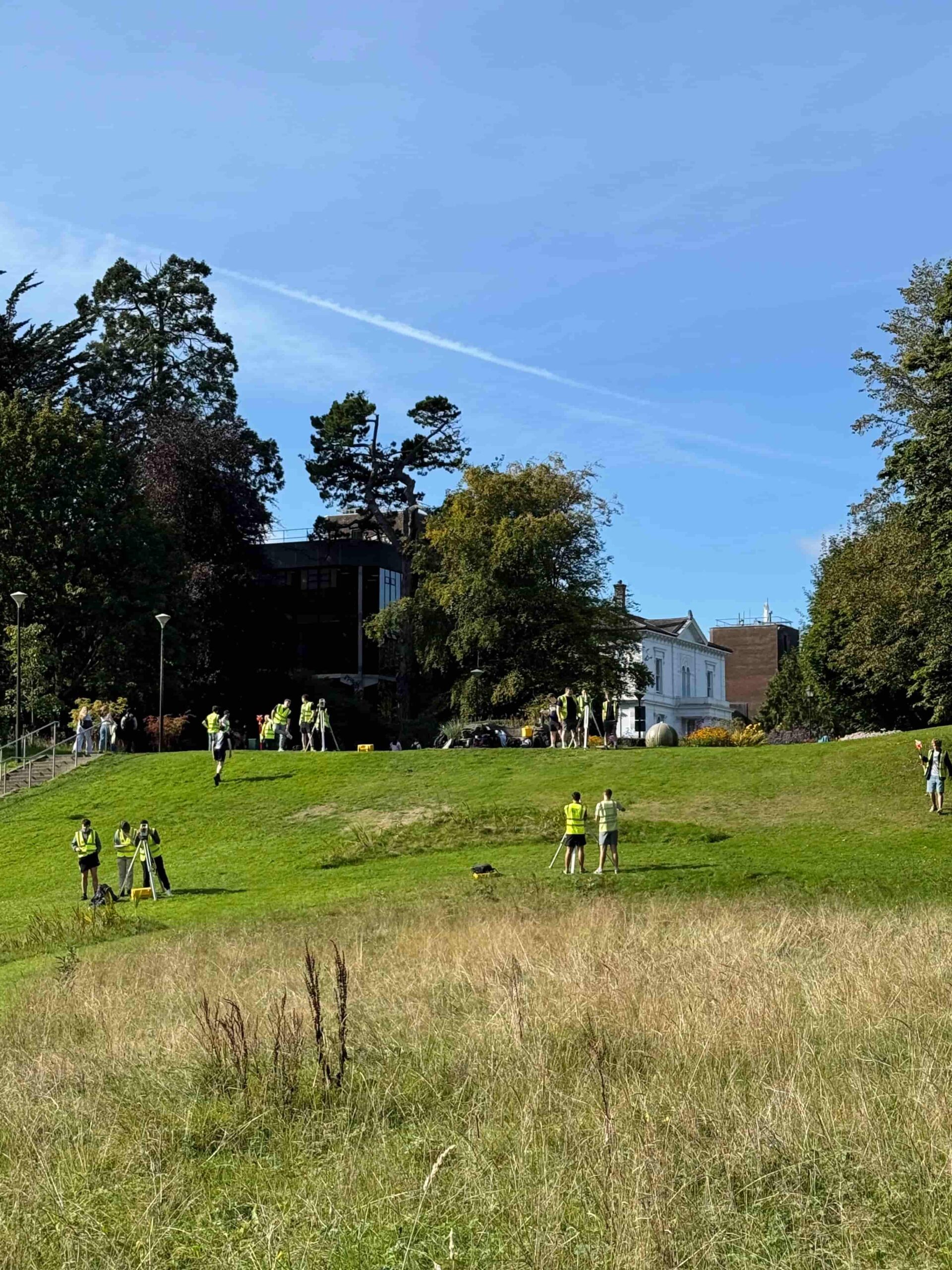
Now that you have a sense of my coursework, you can see why the classroom environment here feels distinct from UW. To begin with, class sizes are much smaller. At UW, the majority of my lectures had roughly 50 to 100 students, with discussion sections of 30 or fewer. Here at UL, whether I am in a lecture, discussion, or lab, my classes average around 25 students. This intimate setting encourages more questions, fosters closer relationships with professors, and creates a tight-knit community feel. I really enjoy this change of pace. I feel far more comfortable raising my hand and asking questions during lectures, and I have had numerous meaningful one-on-one conversations with my professors. They actively seek out student feedback during class to see if concepts need clarification or deeper exploration. As someone accustomed to fast-paced lectures and a heavy reliance on self-taught learning back home, it took some time to adjust to this interactive style, but I am truly starting to take advantage of it.
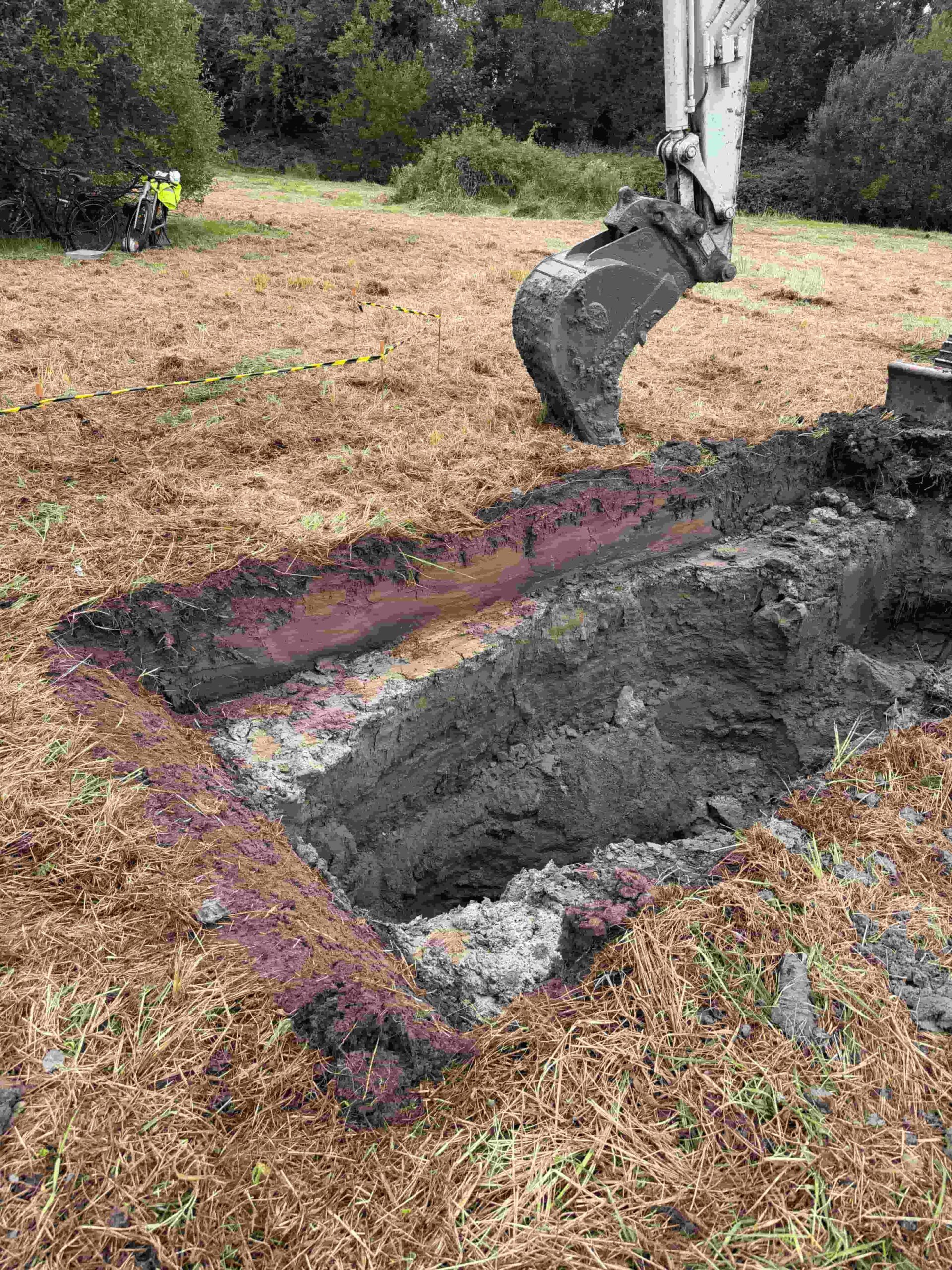
However, some of my most memorable learning has happened entirely outside the traditional indoor classroom. The second major difference I have found between the education here at UL and at UW is how heavily the curriculum relies on hands-on, field-based environments. We spend significantly less time in class doing calculations and much more time understanding the terminology and techniques exercised daily by practicing civil engineers in Ireland. For instance, in my soil mechanics class, we spend less than 20% of our time on calculations and the rest on understanding how and why soils behave the way they do, applying those lessons directly in the field. My favorite instance of this occurred in week six when we were learning about coarse and fine-grained soils. After spending a couple of lectures in the lecture hall understanding how different soil types affect structures during and after construction, our professor brought us out to a nearby field where a digger was waiting to excavate a trial pit. Standing right beside the dug-up earth, we conducted multiple field tests and learned practical tricks to identify soil types simply by sight and touch. Because engineers will not always have immediate access to lab equipment on a busy job site, learning how to make accurate qualitative assessments in the field is an invaluable skill. I really appreciate this shift toward hands-on application. While traditional exam-focused, calculation-heavy courses have their place, learning outdoors and getting in the field brings engineering principles to life in a way textbooks simply cannot match. It requires you to stay entirely engaged and make the absolute most of every single learning moment as there is little repetition.

Jonathon Gregory
Program Name: University of Limerick
Major: Civil Engineering
Hometown: Appleton, Wisconsin
I am most excited to learn about the rich history in Limerick as it was a Viking settlement in the 9th century. I look forward to exploring the local castles and hear local myths and legends about Ireland.