Malawi: Maya Kamin (Learning on Excursions and Sustainability)

Learning on Excursions
Throughout the program we went on several different excursions such as Lake Malawi and a couple of national parks. One excursion that stood out to me was Liwonde National Park located in the southern part of Malawi. This national park runs alongside the Shire River and is part of Lake Malombe. Within this park live not only Africa’s Big 5 (lion, leopard, rhino, elephant, and African buffalo) but also hippos, endangered black rhinos, and people! I was surprised to see homes within the national park because I did not think anyone would want to live in an area with many deadly animals. The rangers explained that it is common for the people’s homes to be broken into by the elephants, leaving their homes ruined. Although we did not see any elephants, which most of us were hoping to see, we got to see the African buffalo and other small animals. This excursion ties into our course discussion because we as students grew curious as to how the people living inside of the park receive care when they become sick. Because the families in the park are very secluded from the surrounding communities, they must walk to the closest clinic which can take a whole day. It was eye-opening to think about what the people go through to get healthcare because quick and easy access to medical care is something that is often overlooked within the US.
Sustainability
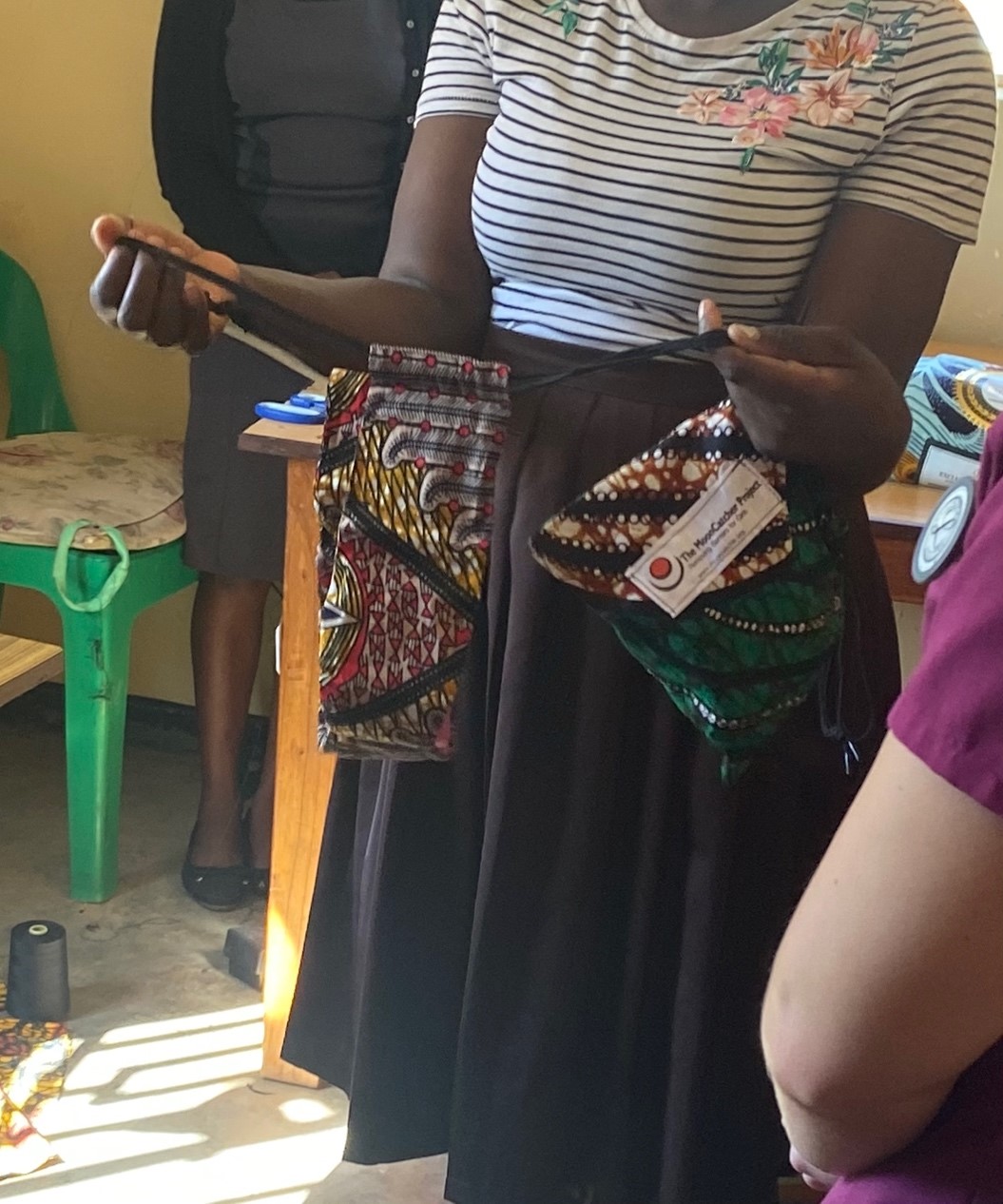
A sustainability-related practice I participated in while in Kasungu was saving all the drinking bottles after they were used. Due to the lack of access to clean drinking water, many people drink bottled water. The large consumption of plastic and glass bottles is regulated by a strong practice of recycling. When buying a glass bottle from a market or store, it is required to bring the bottle back once you finish the drink (unless you pay an additional fee which allows you to keep the bottle). Plastic bottles are recycled and reused by individuals to sell drinks at the market. It is common to see reused plastic water bottles filled with drinks such as Thobwa, sweet beer sold on the side of the road or at the market. Although recycling is a common practice in America, I feel that there is room for improvement personally and as a country. My goal after the program is to become more aware of my recycling habits; if I need to purchase a plastic bottle I will try to reuse it by filling it up with water from a water fountain before recycling it. Another fascinating sustainability-related practice I learned was the usage of reusable sanitary pads. At K2TASO, an AIDS support organization, there is a room where women make reusable pads to give out to the community. I believe that this is a great sustainability practice because of the amount of plastic it saves from being thrown into the environment.

Maya Kamin
Hometown: Chicago, Illinois
Major: Nursing
Program: UW Nursing Malawi