Italy: Jonathan Guggenmos
Program: CIEE Rome Open Campus, Summer
Jonathan’s Majors: Classical Humanities, Philosophy
How were your program academics similar or different from taking classes at UW–Madison?
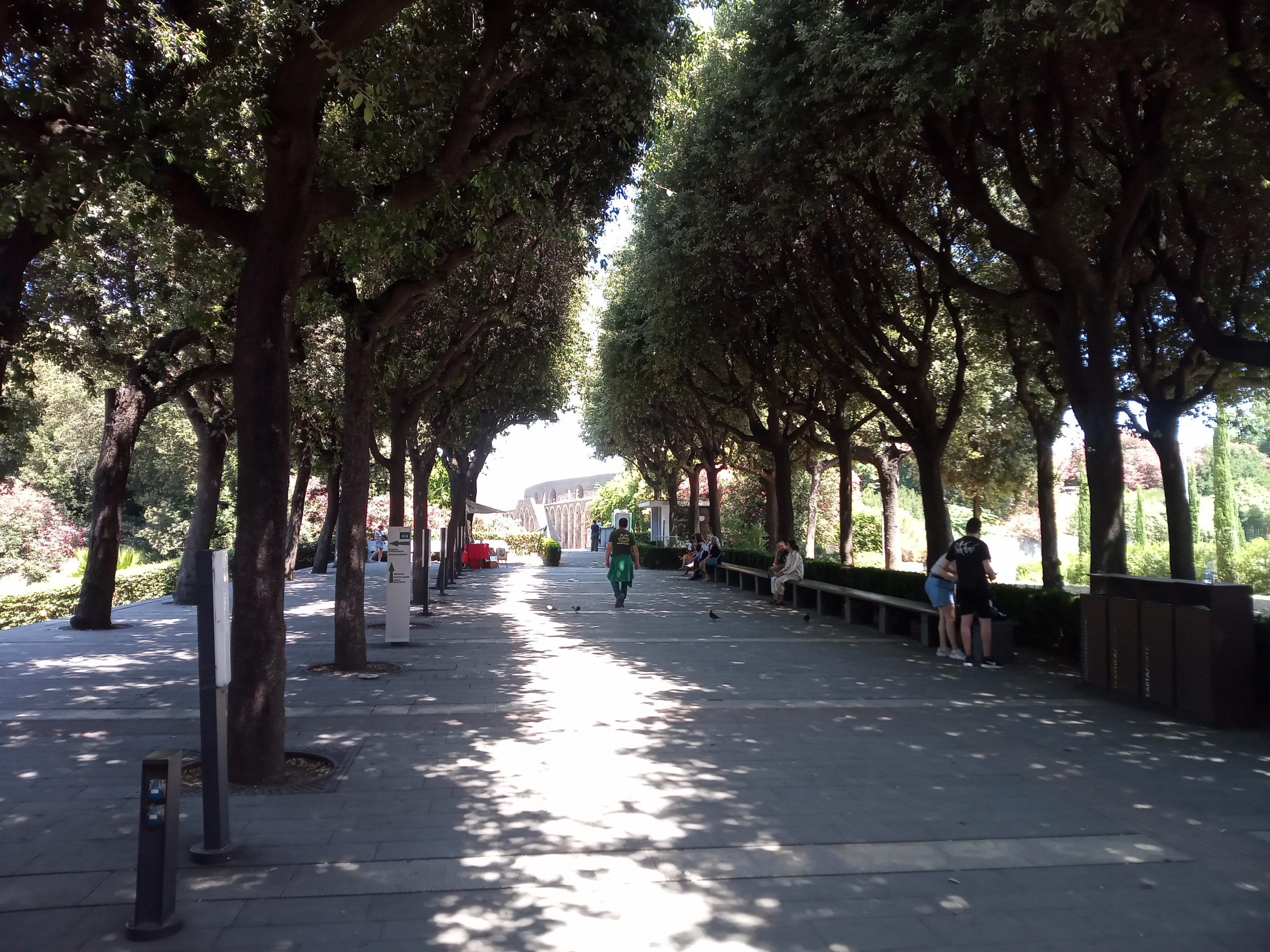
The academics while abroad on my program were easier in some regards and harder in others. Engaging with the course content was much easier, for we almost always met on-site and talked about the very thing that we were standing right in front of; this made course content easy to connect with and easy to recall, and this new academic aspect made it simpler to understand the objects’ significance. Due to the extreme temperature during the duration of my program, getting all the way through a class on certain days was difficult. It was not uncommon to pull a nine-hour day out in the 95°F heat, and focusing—or even staying alert—for that whole time was difficult. The assigned readings were important to read, and they were fairly long; they probably added up to the same amount of reading that a student gets assigned in a normal course at UW–Madison, but you only have six weeks to read all of it rather than fifteen weeks.
How will your study abroad program benefit you in the future? How might it impact your future career or studies?
My study abroad program will likely have a direct and meaningful impact on both my future education and my future career. Obviously, how much this is the case for others depends on how the student’s major and the program’s subject line up, but if the student chooses carefully, a quality study abroad experience can help separate you from the crowd in a competitive admissions process. It can also furnish you with a more intimate understanding of your topic of study. In my case, my study abroad experience benefits my future by making it more likely that I get admitted to competitive graduate programs in my field or even to field schools, and the offset effects of either of those outcomes are only positive.
What is your advice for someone considering your program?
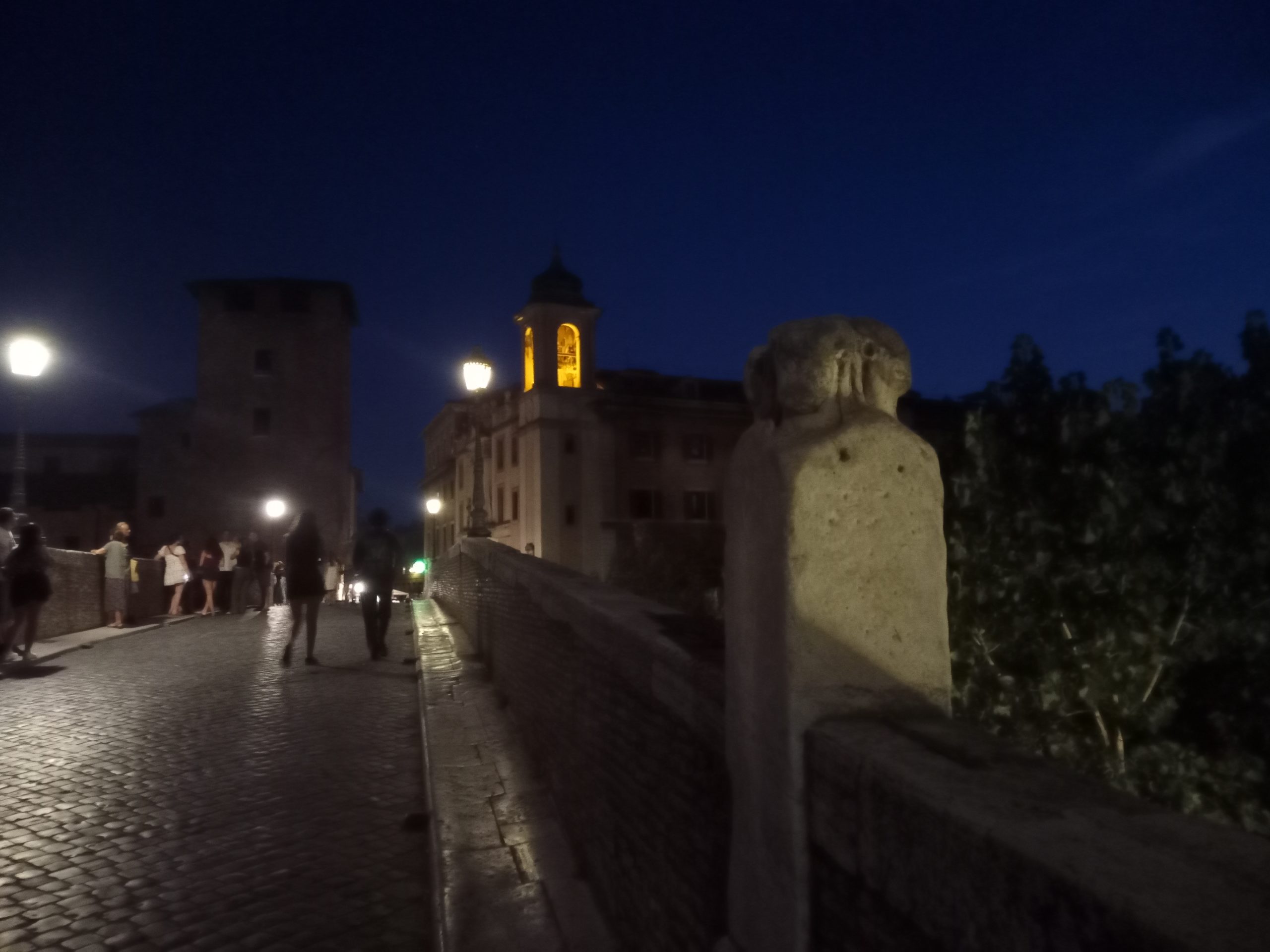
Make sure the city is your friend before you leave for your program. That probably sounds a little strange, but I really mean it. My study abroad experience was pretty lonely, but since I knew the actual city that I was staying in so well, I always felt somewhat at home. I was aware of the important monuments and museums; I knew about the significant landmarks; and, most importantly, I was decently well-read on the history of the city. I always felt as though I was walking with a friend even when I was walking alone, for the city would always give me something to think about or direct my attention to where it hadn’t been before. So, when you pick your program, pick it for you and your interests: not for your parents or your friends or your professor.