Singapore: Global Gateway Summer 2025 (Discoveries)
Juliet C: Local Interactions
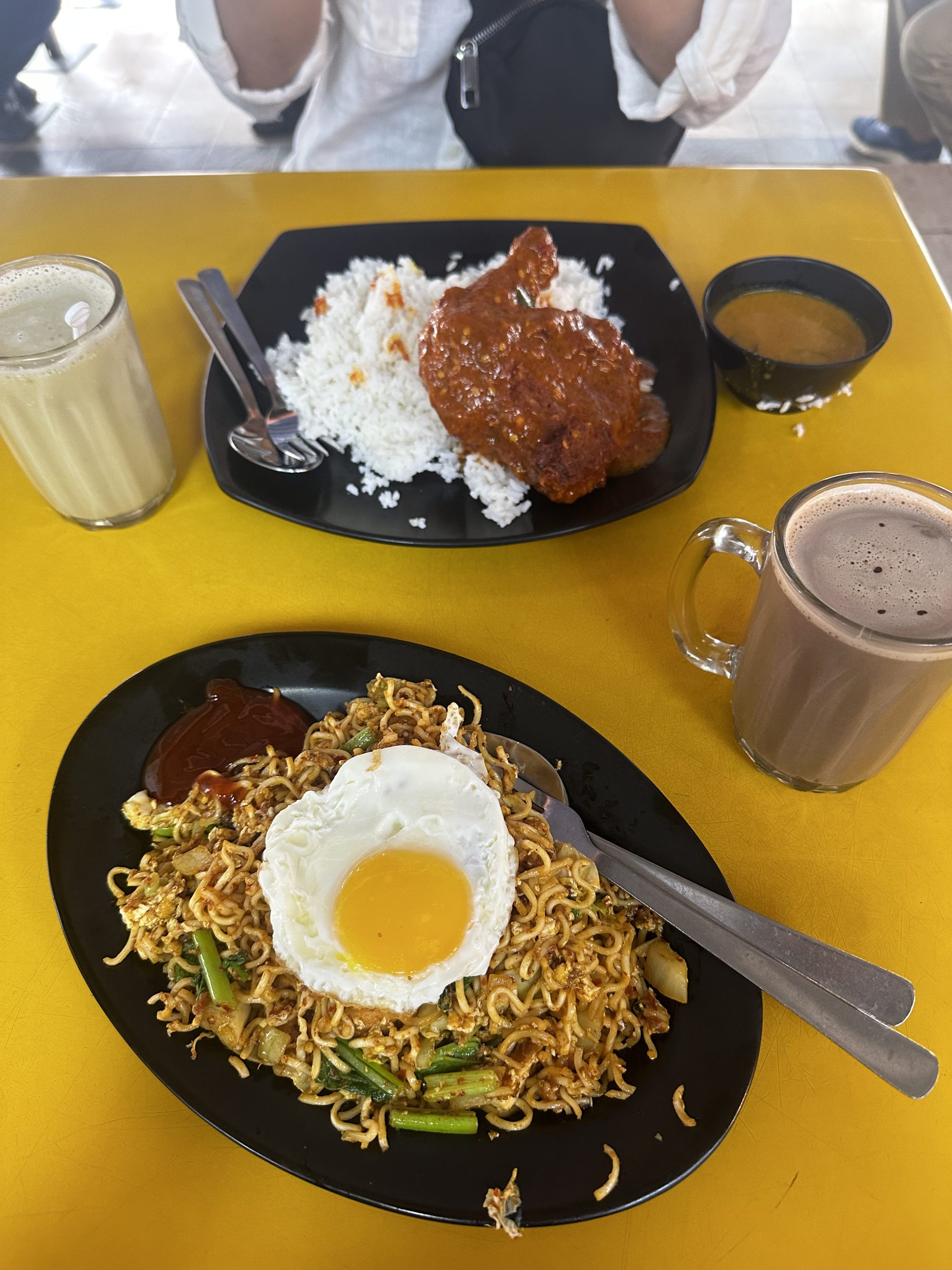
Next to LYF Bugis, the hotel we stayed at, was Al-Jilani, an Indian restaurant open 24 hours. When we first drove by it the day we arrived in Singapore, I didn’t think much—just another spot I wanted to try. The next morning before class, my roommate Ezgi and I stopped by. It tasted amazing and “so much better than the US,” we agreed. I had prata with chicken curry, a local favorite, and Ezgi had the chicken briyani. We paid and left, thinking that was that.
As excursions picked up and I got more tired, I started going to Al-Jilani more—partly because it was just 20 steps away. The workers began to recognize me, especially as I brought more people from the program. Without realizing it, it became our nightly go-to, where friends and I would debrief, hang out, and just talk. I started getting close to this Chinese woman and Indian man who were always working. They memorized my order, which I found funny since I’m a routine person; but sometimes, I’d mess with them and order something else.
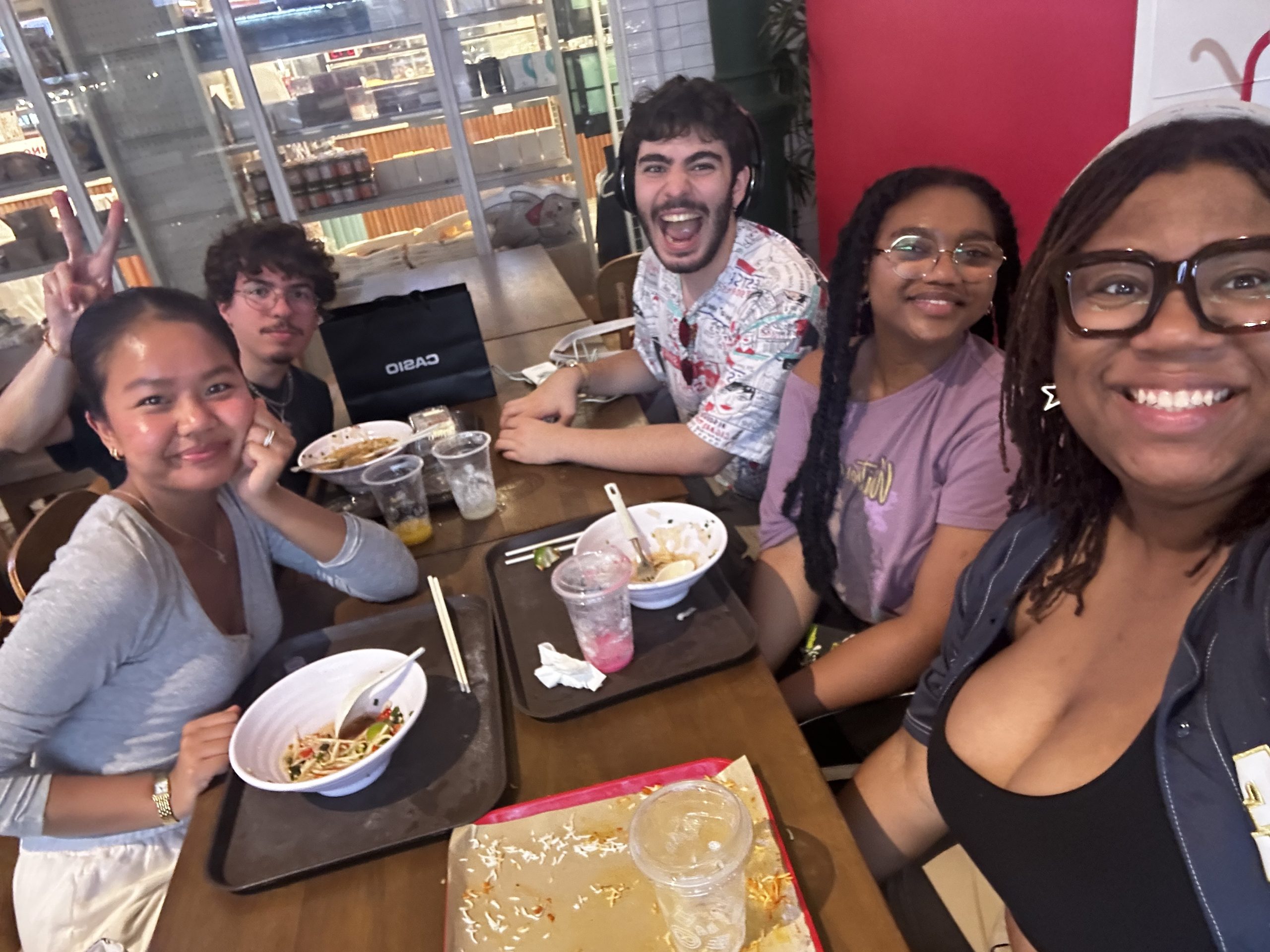
One night when I was eating alone, they asked me where I was from. I joked and asked them to guess. They guessed the Philippines, Vietnam, Hawaii… I finally told them I was born in Myanmar but from the US. Their faces lit up, and they started asking about my experience in Singapore and how it compared to the US. We ended up exchanging stories about life, culture, and being immigrants. Even though they were older, we found common ground.
But the person I became closest to was the cashier. He spoke fluent English, so we’d have longer conversations and debate about which country had better food. Over time, it became clear to me: everyone has a story. The workers at Al-Jilani taught me that no matter where you come from, people are people. Everyone has their dreams, hardships, and laughter. It’s so important to engage with the locals because there’s so much more to a place than what’s taught in class or shown in the media. It was not just refreshing, but truly inspiring, to hear people’s stories, from successes to struggles. From this study abroad experience, I honestly learned more from the people around me than I ever could from a classroom.
Lazlo C: Sustainability in Singapore
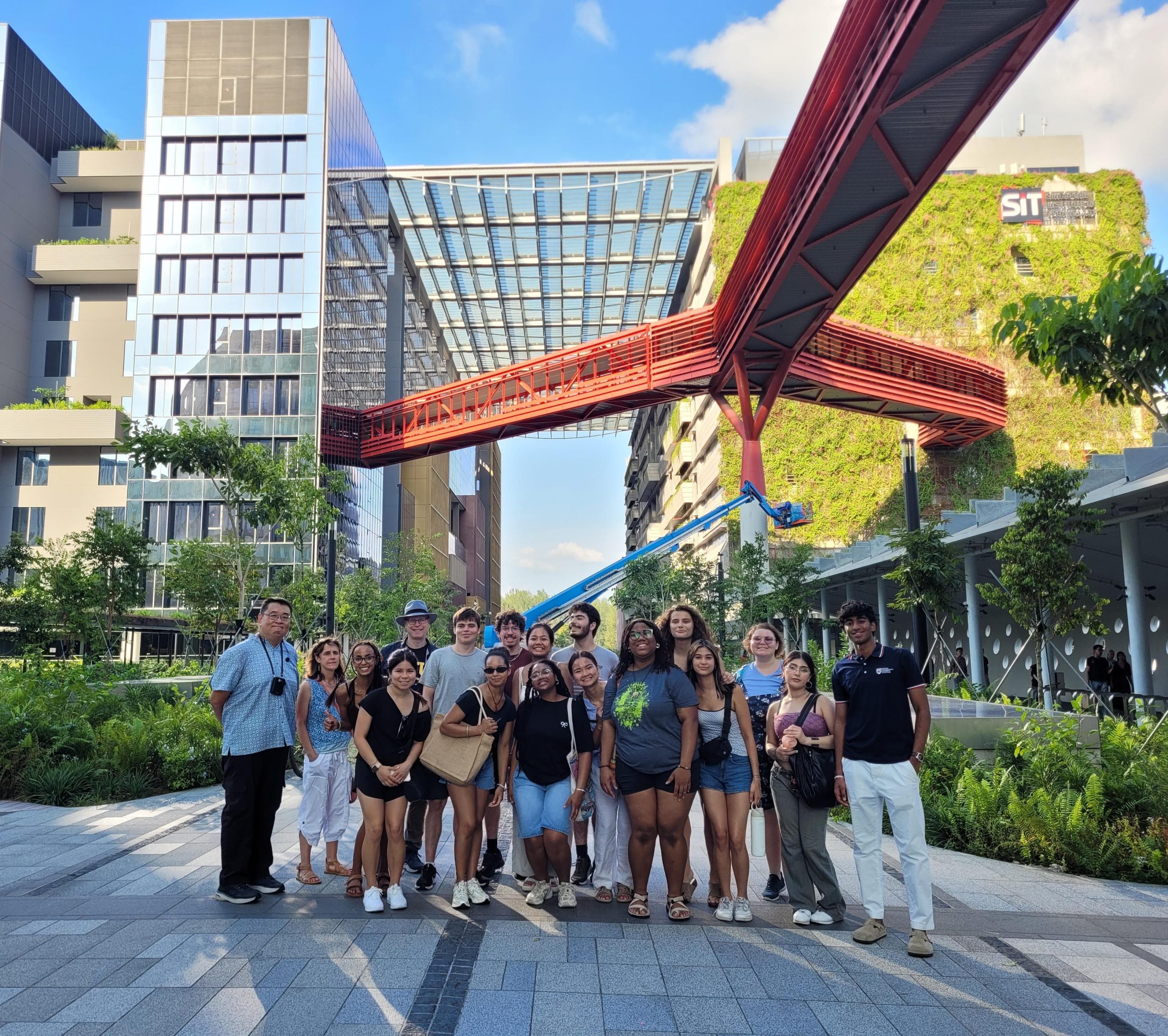
Singapore is one of the most sustainable countries in the world. Beyond having low carbon emissions, Singapore provides a constant integration of greenery into its city. From nature preserves across the country to trees everywhere along the sidewalk and roofs, plants, animals, and fungi are at every turn of the city. Even many of their modern buildings are designed with mostly wood and open layouts to allow for more sustainable buildings and air flow to lower reliance on air conditioners. Monuments are built to their sustainability efforts, with Gardens by the Bay having Garden Domes for the appreciation of plants from around the world and the Supertrees, putting both aesthetic and utilitarian construction on display through a “natural” lens. All of these are aspects of what makes Singapore a beacon of sustainability, but as I got the chance to learn in Singapore, the thing that stuck out most to me in terms of sustainable urban design was Singapore’s creation of community.
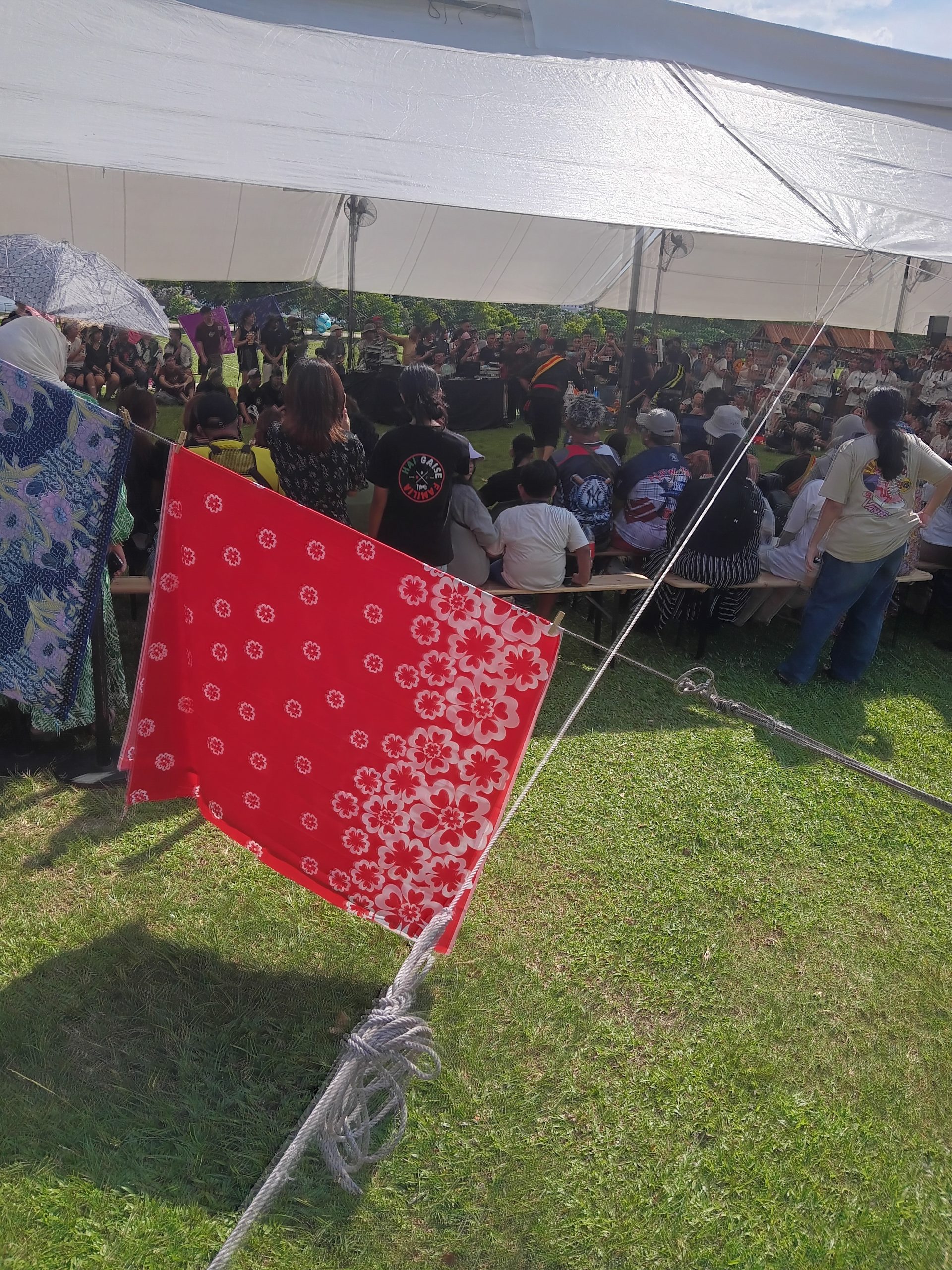
In the USA, finding spaces to be able to form and participate in a community is hard to find. This becomes even harder once you leave school, which forces you to be in constant proximity to peers. Singapore recognizes this and decided to incorporate it into their entire city planning. There are parks literally everywhere for people to hang out in, public building complexes and malls have open courtyards to host various multicultural events. We were able to go see a performance from a indigenous group hosted in one such park. These make people care more about their community, spend more time together, and spend less time on consuming resources, all of which builds a society that is determined to make a sustainable future not only for the betterment of the world, but also the betterment of the local area.
As I return to the USA, I have a new perspective on what it means to make a sustainable life. It isn’t just taking sustainable practices at the initial level of directly working to lessen impact on the environment, it is also building a community determined to maintain a happy society. I am more determined to make connections with those around me, especially those near where I live, such as neighbors I honestly have never had more than a short conversation with. In the end, I want to make a better community for the sake of a sustainable future.
Mila C: A Home away from Home in Singapore
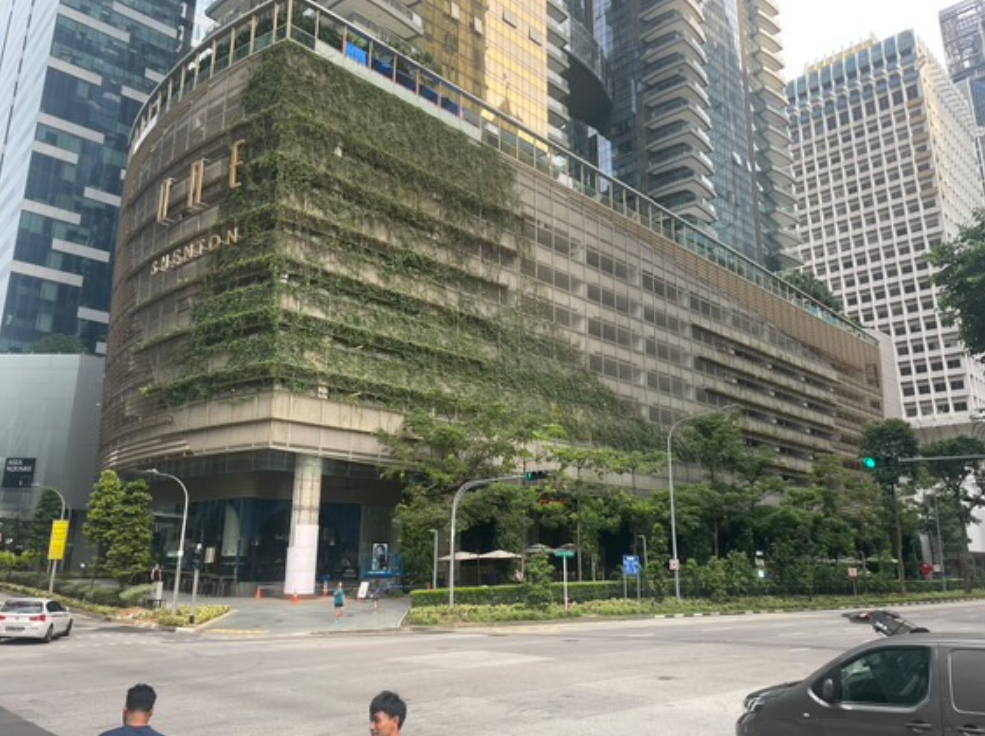
Biophilic design and Singapore are basically best friends. They’re called The City in Nature for good reason. Walking around I’ve seen so many buildings absolutely covered in life. Gardens as walkways, animals and insects, walls covered to the brim with vines, even apartment buildings with sections opened for trees to grow multiple stories above ground. While this is beautiful as an aesthetic choice, it’s also used for a multitude of other reasons! Such as providing shade, better quality of life, and creating an environment for their animals. Land development is often seen as lost planting space, so they decided rather than getting rid of the greenery they would just take it up with them!

One of my favorite new experiences has been documenting how nature and innovation work together. I have a plethora of pictures dedicated to buildings covered in vines. I find it so captivating how this design almost makes it look like nature is taking the city back when in actuality the government has placed all of it. It reminds me of geocaching, a hobby of mine, where they often use nature to hide their caches! Back home most of the nature I see is in peoples’ yards but here it expands into part of their homes and businesses too. While I do use the subway a lot, walking, be it to/during my classes or exploring, has become a major part of my days here. There are even tons of escalators in some areas to help make it easier! So, seeing the ways in which nature is used is something I’d have to purposely ignore to not notice.
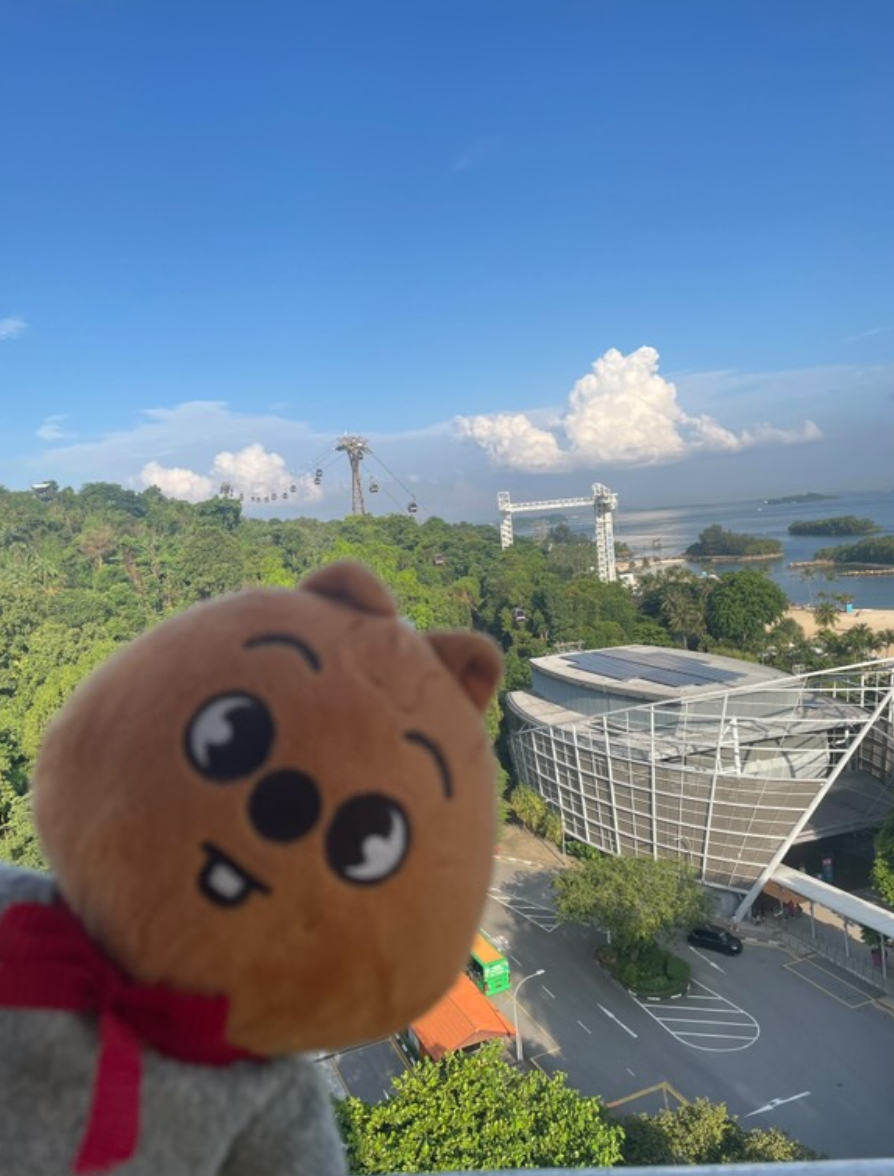
Even though I only visited for a short time I’ll miss the Chinese Garden. With the variety of plant, animal, and insect life that I was able to see, I found myself exceptionally inspired here. I think if I ever come back, I want to bring my sketchbook and some watercolor paints to sit and create there. I’ll also really miss the Oasis Hotel. I didn’t actually ever go into it or really near it for that matter. But I absolutely loved being able to see it from afar. It was so incredibly beautiful and decked out in plant life that I couldn’t stop looking at it or wanting to draw it!
I feel very inspired by this experience to create art based around the juxtaposition of innovation and nature!
Ava F: An Impactful Moment
My most challenging moment in the program occurred almost a week into our study abroad journey and involved adjusting to the different pace of life in Singapore– especially the heat.
I never realized how much temperature can interfere with one’s ability to stay present. The heat was noticeably bad on the first Monday of the program, when we went on a 5-mile hike through the MacRitchie Reservoir.
It was originally laughable how hot and oddly difficult the hike was. By hour three, laughs eventually turned to silence. Sweat was coming from my eyes, and the sun pressed on, intensifying my anger and exhaustion. Did the rest of the cohort share my thoughts and experience with the heat that day? I don’t believe so. But five days into study abroad, it was a wake-up call: this heat was something serious!
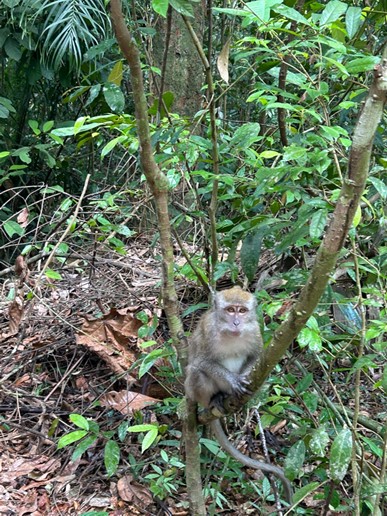
I think the busy and long days, combined with the heat most of us weren’t prepared for, caused people to be less engaged. For this reason, I would label heat as the most challenging experience throughout the program.
Hawker centers, while simply amazing, also contributed to some of my worst experiences with the heat. Naturally, Singapore sits at a ‘feels like’ temperature of around 94-96 degrees, which rises significantly in a Hawker Center. Each food stall has its own stove and oven, cooking up hot chicken, ramen, dumplings, etc. While Hawker Centers are outdoor food courts, they are still ‘courts’ and heat remains within the borders of the Hawker Center. On top of dozens of ignited ovens and the 95-degree heat were the hundreds of hot, hungry people in the same predicament as you. Everyone is tightly packed together during peak lunch and dinner hours, making it impossible not to run into, move around, or get stuck in place by other people. While certainly rare, it once felt like the temperature surged to well over 105 degrees.
It’s likely clear that I’m one for the dramatics, but on this occasion, I went from not thinking too much about the heat to sweating every which way, itching, and getting so internally hot that I just wanted to scream and crawl out of my skin! Something wicked took over in that heat, and I saw red. Throughout the three weeks, the heat forced me to reflect on how impatient and easily triggered I am by temperature changes. I can confidently say that I have also seen red in -15 degree weather, but that’s a different type of anger. EEK!
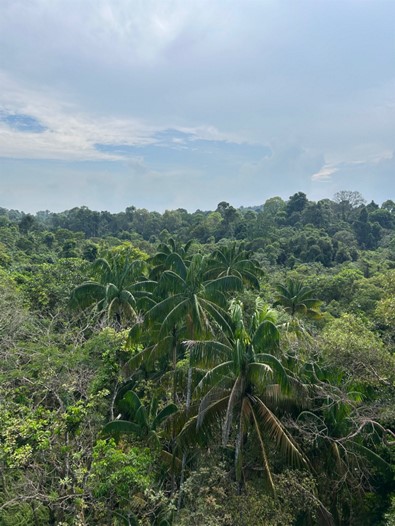
This conversation brings me to my other challenge: getting accustomed to cultural differences. The heat made me want to get to places quickly; made me itch waiting three minutes at a crosswalk for the green man to appear. But Singaporeans paid no mind to enduring long wait times in the heat. In fact, I would say Singapore was the slowest-paced country I have ever visited.
For the Singaporean, taking five escalators down to the subway is a perfect time to catch up on a show. If you miss one train, you can catch the next one. Waiting at a very car-biased intersection where the pedestrian button is a decoration? Not an issue. Even when no cars are coming? Yep, they’ll wait. Escalators inching upwards, elevators taking five minutes– not a worry.
It shocked every American bone in my body and made me think about how fast-paced the US is. If I’m not thinking about things to do after I rush to do ‘x’, I’m not thinking enough. If I’m not weaving around other people, trying to be first in line, and checking the time every few minutes, something’s wrong. When did speed become a part of the culture? And how did Singapore create a culture that slowed down, despite having some of the longest workweeks? We discussed this a lot in class, and the change in pace was not something I ever fully got used to, but certainly grew to admire.
Overcoming the heat comes with time and an understanding of your personal limits and tolerance of temperature. A fan (preferably electric), water, good shoes, and snacks are never a bad idea. Taking time to rest is the difference between a good day and a bad day– take your sleep seriously. Eat food that will sustain you. If you are feeling impatient, remember where you are: SINGAPORE! Smell the roses (or palm trees in this case), take in the architecture, and breathe. Viva Singapura!