Denmark: Zonghao Zou (Learning on Excursions)
Today, as part of the Copenhagen Past and Present pre-semester class, I went on a field trip to the Danish National Museum and took a boat tour through Copenhagen’s harbor.
The National Museum, one of Denmark’s oldest, traces its roots to the Museum Wormianum: a 17th-century private collection of the physician Ole Worm. Today, it houses various artifacts on culture and history of Denmark and other countries.
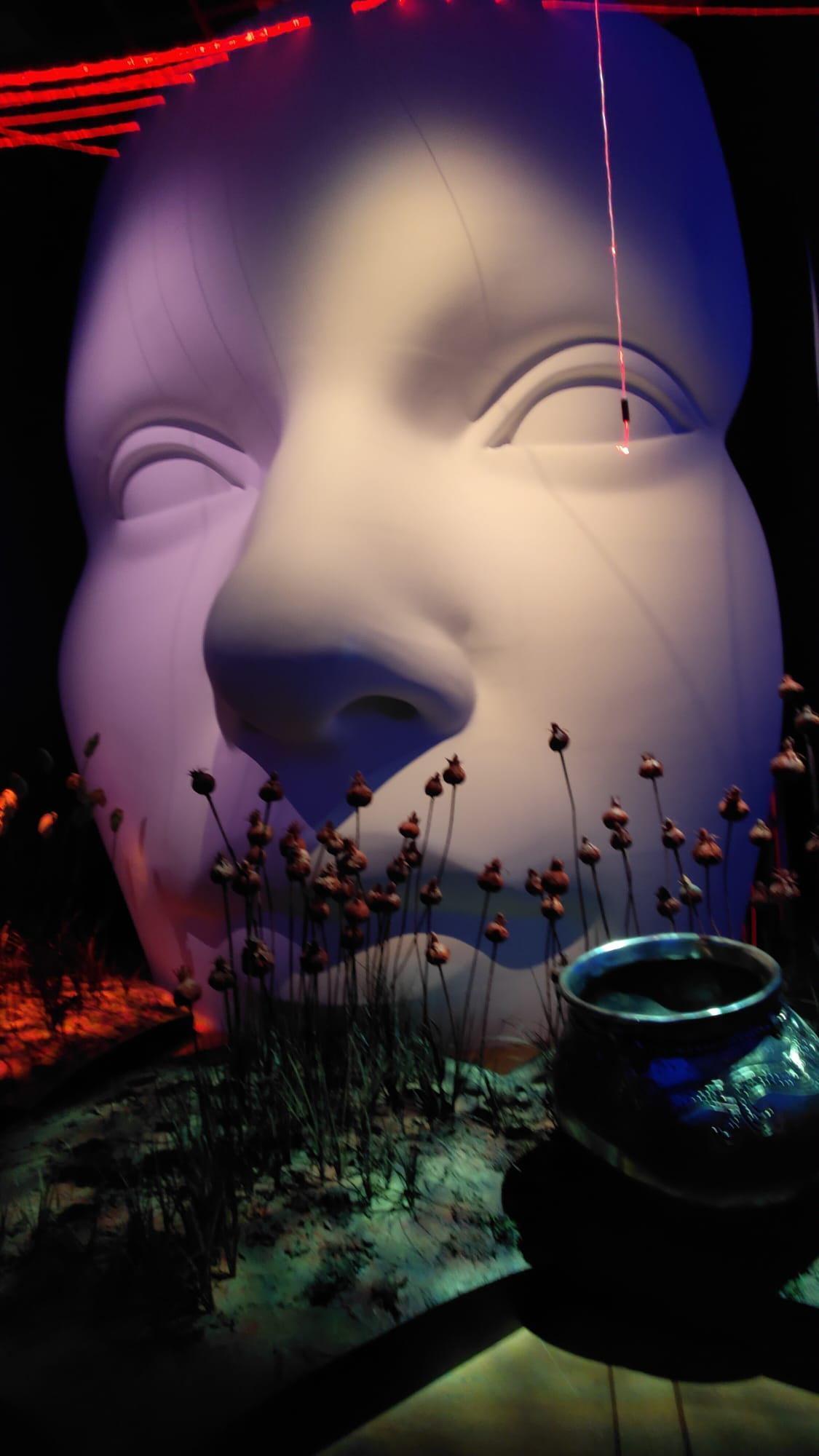
One special exhibition we visited was The Viking Sorceress, an exploration of the vølva: a Viking sorceress believed to foresee the future, perform rituals, and commune with spirits. Rather than a traditional archaeological display, the exhibit used light, sound, and storytelling to evoke a mystical atmosphere. I was surprised to learn that some vølva burials date from after Denmark’s Christianization. This reminded me of our recent lectures about how the transition from Norse paganism to Christianity was gradual and layered in Denmark. The burial we saw, containing both a cross and Thor’s hammer, symbolized that overlap of beliefs.
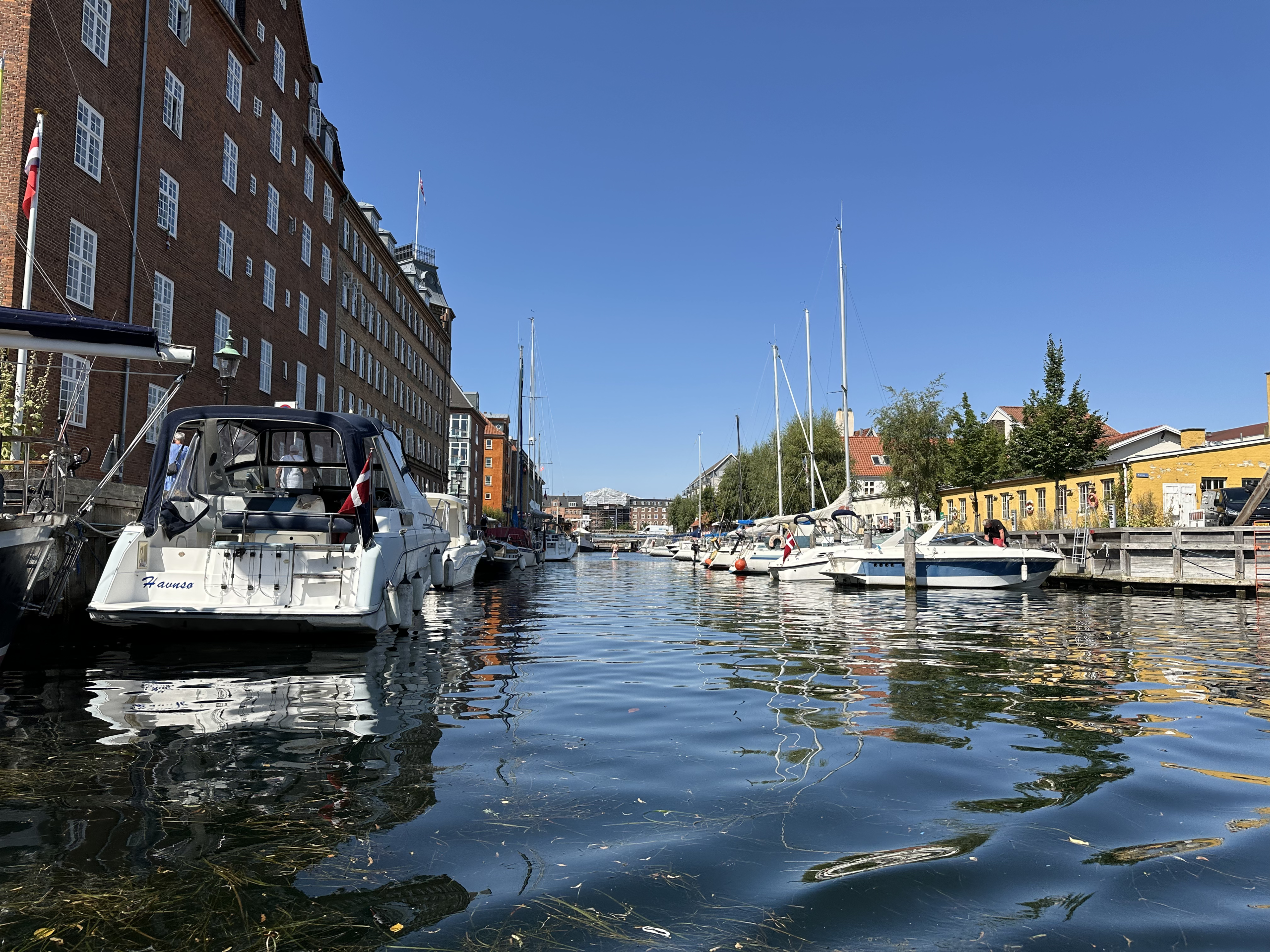
After the museum, we took a boat ride through Copenhagen’s harbor and into its winding canals. The canals of Christianshavn were especially beautiful, lined with boats and residential buildings. I recalled from our lectures that Christianshavn was reclaimed from the sea by King Christian IV as part of his vision to create a “Danish Amsterdam”, a center of trade and shipbuilding during the age of exploration.
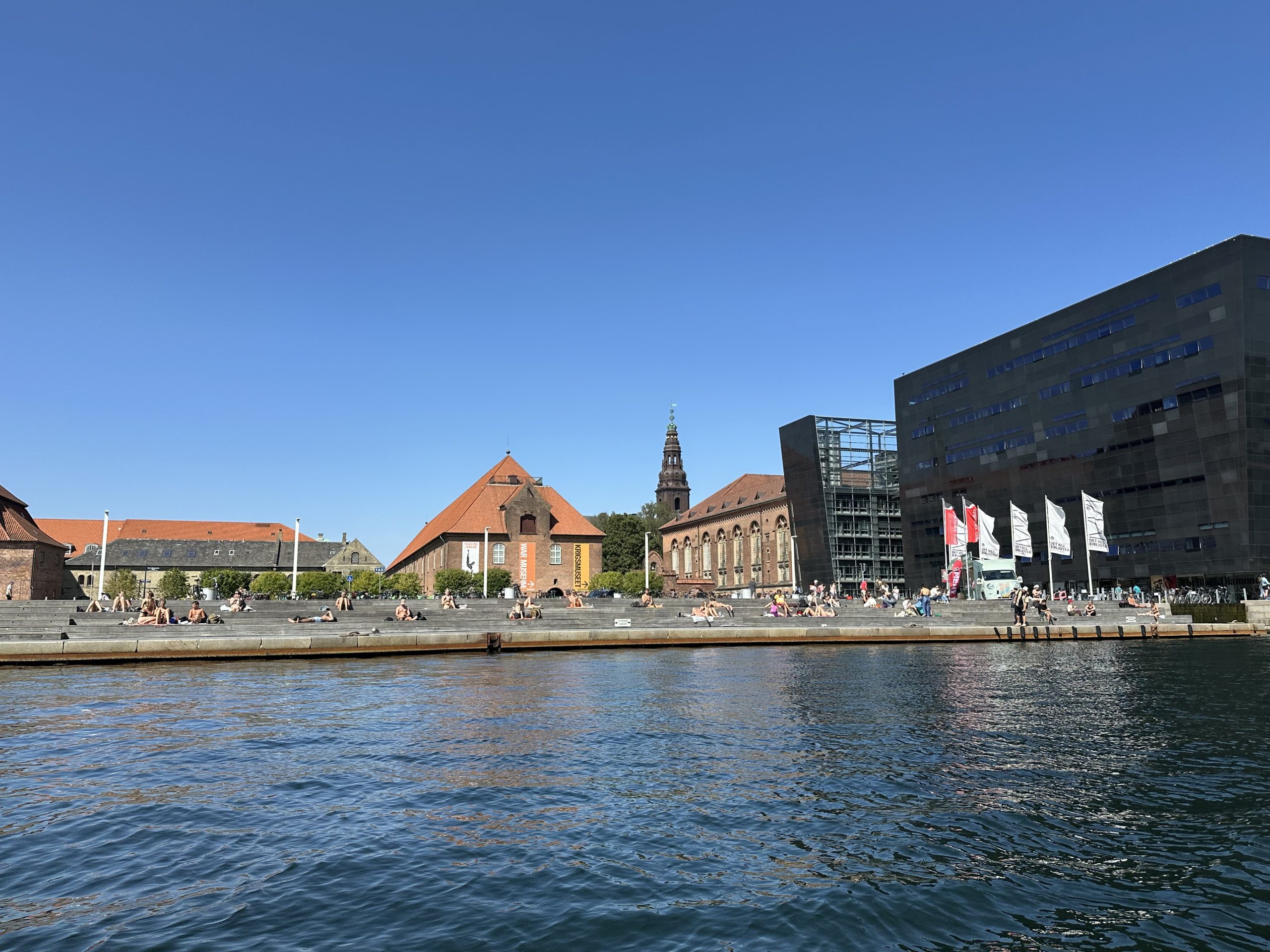
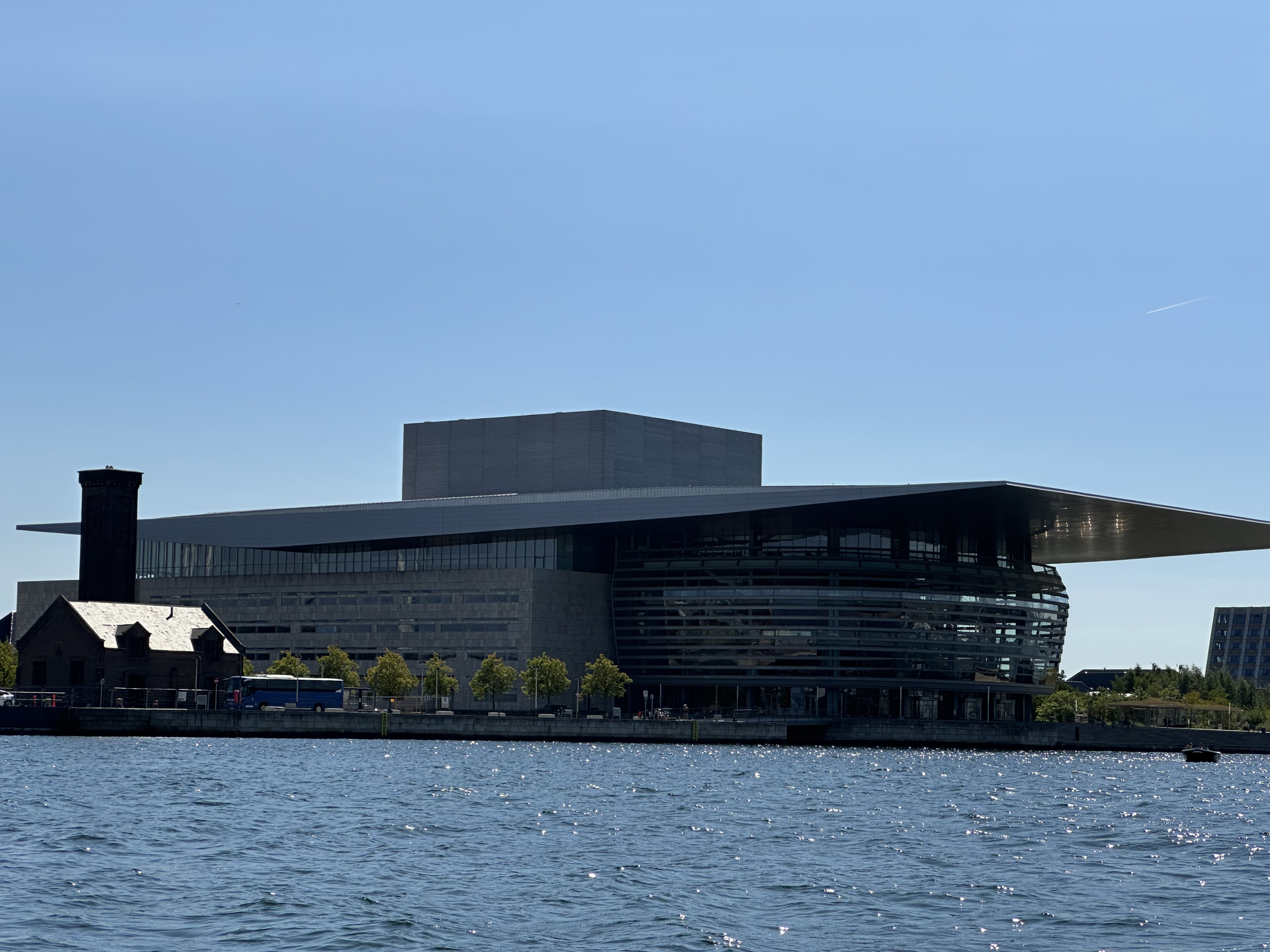
As we drifted past bridges and spires and back into the open harbor, I was struck by how Copenhagen blends old and new. The sleek Royal Opera House faces the 17th-century brick buildings of Christianshavn. Nearby, the Royal Library’s modern extension (the “Black Diamond”) connects elegantly to the historic library behind it. Much like Denmark’s history and its transition from paganism, the city’s architecture reveals a continuity of history.

Zonghao, Zou
Hometown: Brookline, Massachusetts
Major: Mathematics; Computer Science
Program: University of Copenhagen
Since English is used in fewer of the undergraduate classes here, studying at University of Copenhagen will give me an opportunity to try taking grad level courses and studying grad topics. Also being at a different school can allow me to study niche topics that might not be available at UW–Madison.
Blog posts coming soon!