Japan: Steven Mose (Sustainability in Tokyo)
Program: UW Wellbeing and the Art of Forest Bathing in Japan, Winter Intersession
As a student in the Landscape & Urban Studies program and with a personal interest in public transit, something that (unsurprisingly) really stood out to me in Japan was the incredibly robust multimodal public transit network, which put even America’s best public transit to shame. Japan’s ability to fill 16-car high-speed trains going from Tokyo to Nagoya, Kyoto, and Osaka almost ten times an hour is almost incomprehensible as someone who values Amtrak’s Hiawatha service because six or so car-speed trains a day is considered unusually good.
Not having to worry about missing your train on the subway because the next one comes in four minutes is a great luxury, and the fact that trains, buses, and ferries are regularly at or near capacity shows that this great network is no folly.

Pictured left: A JR train pulls into Fushimi-Inari station. I was, interestingly, not the only person taking a picture of it, showing Japanese people’s interest in public transit.
Of course, such a network also makes great strides towards sustainability, getting cars off the road, which not only ensures that roadways are friendly spaces to pedestrians and cyclists, but also makes transportation much more fuel-efficient.
As is the great problem with expanding public transit in America, time in Japan has made me reflect on the challenges associated with fighting to create a system in America that is efficient enough to stop looking frivolous and start being efficient. I hope that a transit-friendly administration is in office soon, such that these changes are possible, in particular expansions and service increases for passenger rail.
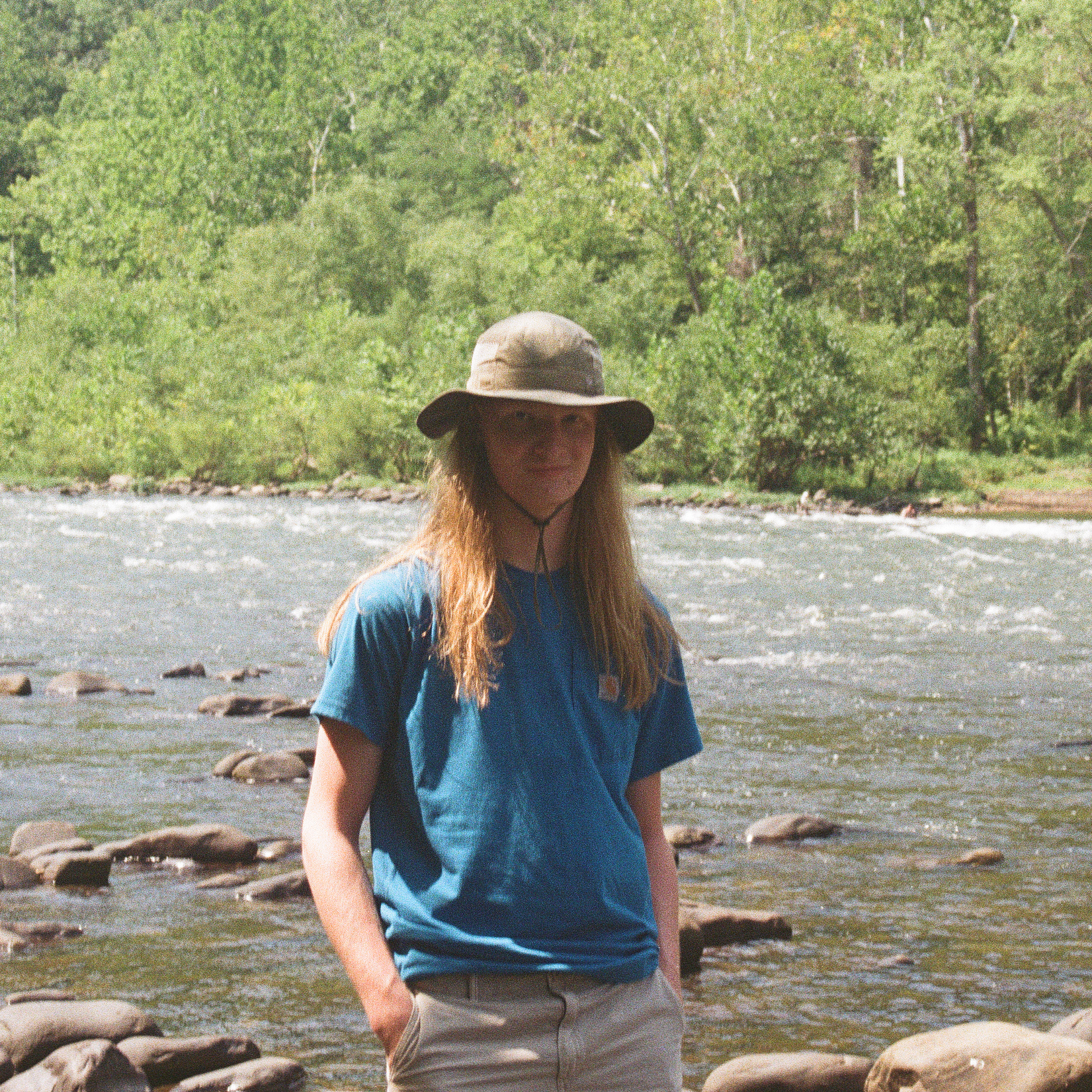
Steven Mose
Program Name: UW Wellbeing and the Art of Forest Bathing in Japan
Major: Landscape & Urban Studies
Hometown: Cedarburg, Wisconsin
The opportunity not only to study landscape design but also urban planning in one of the world’s most highly urbanized societies makes this program a great fit for me. I am excited to learn about how landscape design and emotional wellness are connected in the practice of forest bathing, and how this might be applied in designs in the US.