Thailand: Madison Xiong
Program: Mahidol University, Spring
Major: Biology and Global Health
What did you learn about yourself or the world because of your experience?
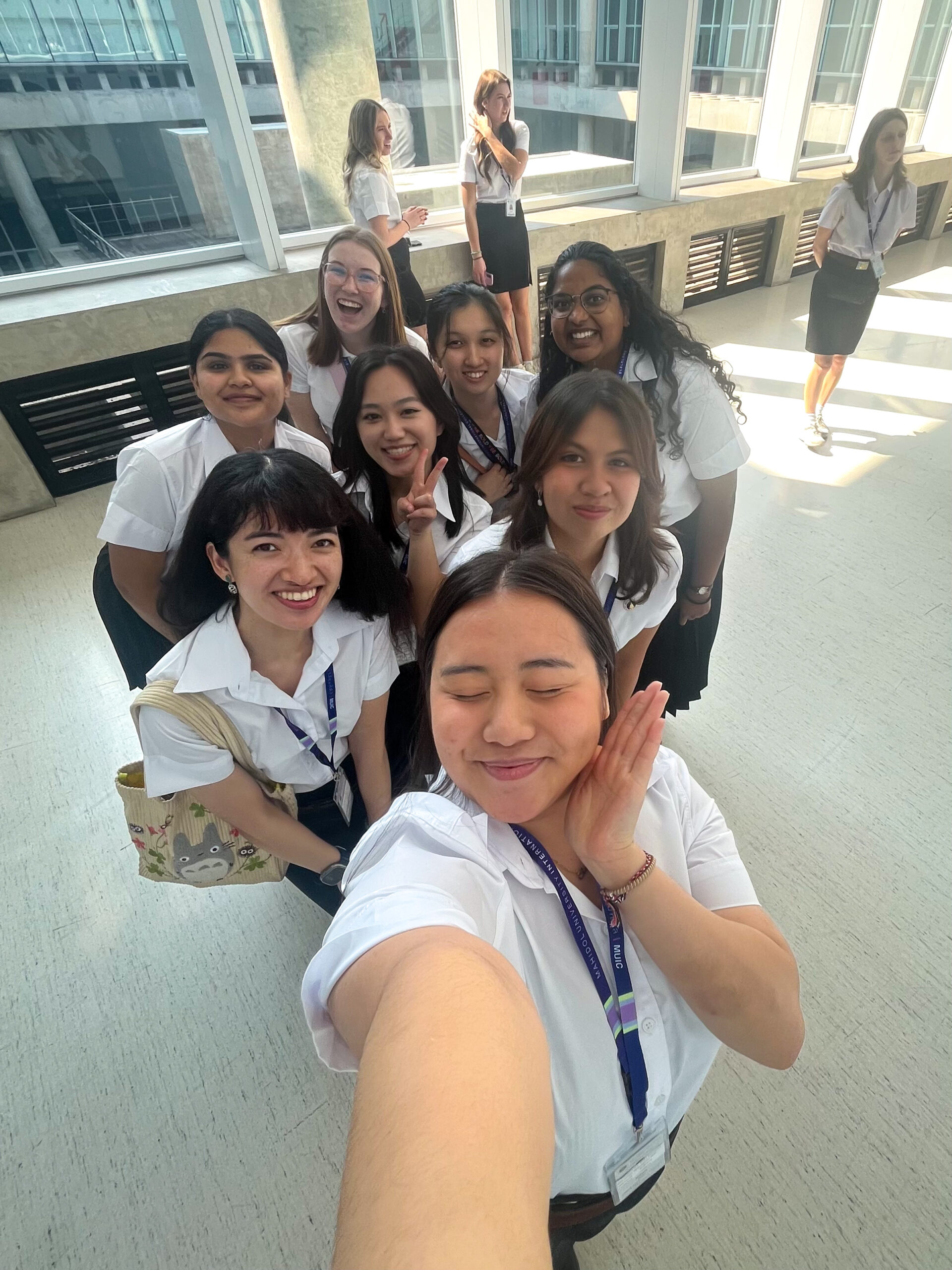
I learned that being in a new environment is truly essential for personal growth. Growing up, I’ve always been a shy and reserved person, especially at school. But when I was in Thailand, I was surprised to find out that my new friends thought I was very social upon first meeting me. I think it had something to do with the fact that I was in a new country, full of new people and experiencing new things almost every day, so I felt motivated to put myself out there more. I strongly believe that studying abroad in Thailand unlocked a new level of confidence that I didn’t know existed within myself.
How did your identities impact your experience? What advice would you give to students with similar identities who are considering a similar experience?
A large reason why I chose to study in Thailand was to explore my Hmong heritage. As a Hmong American, I thought I’d meet lots of Hmong people in Thailand and that Thai people would know and appreciate Hmong history, but I was surprised (and a bit disappointed) to find out that wasn’t the case. In fact, I think only one or two locals understood what I meant when I told them I’m Hmong. I learned that Hmong Thai people continue to mostly live in the mountains and rarely visit the city or pursue an education, at least in Bangkok. I’m not sure if it’s more so due to them choosing to live more traditionally, lack of opportunity, or a combination of both. Whatever the reason may be, being a Hmong American studying abroad in Thailand made me realize the privilege I was born into and it offered valuable insight on why my grandparents and other Hmong Americans value education so much. Despite not meeting many Hmong people in Thailand, I was excited to hear any mention of hill tribe people or anything related to Hmong history in my classes. In my Thai Language and Culture class, I learned that King Rama IX worked with the Hmong people to develop sustainable agricultural practices. In my evolution class, I also learned that a new human ancestor species was recently discovered in Laos, where my grandparents are from. I would advise Hmong students to celebrate these small moments and be proud to educate others about Hmong people and our history where you feel comfortable.
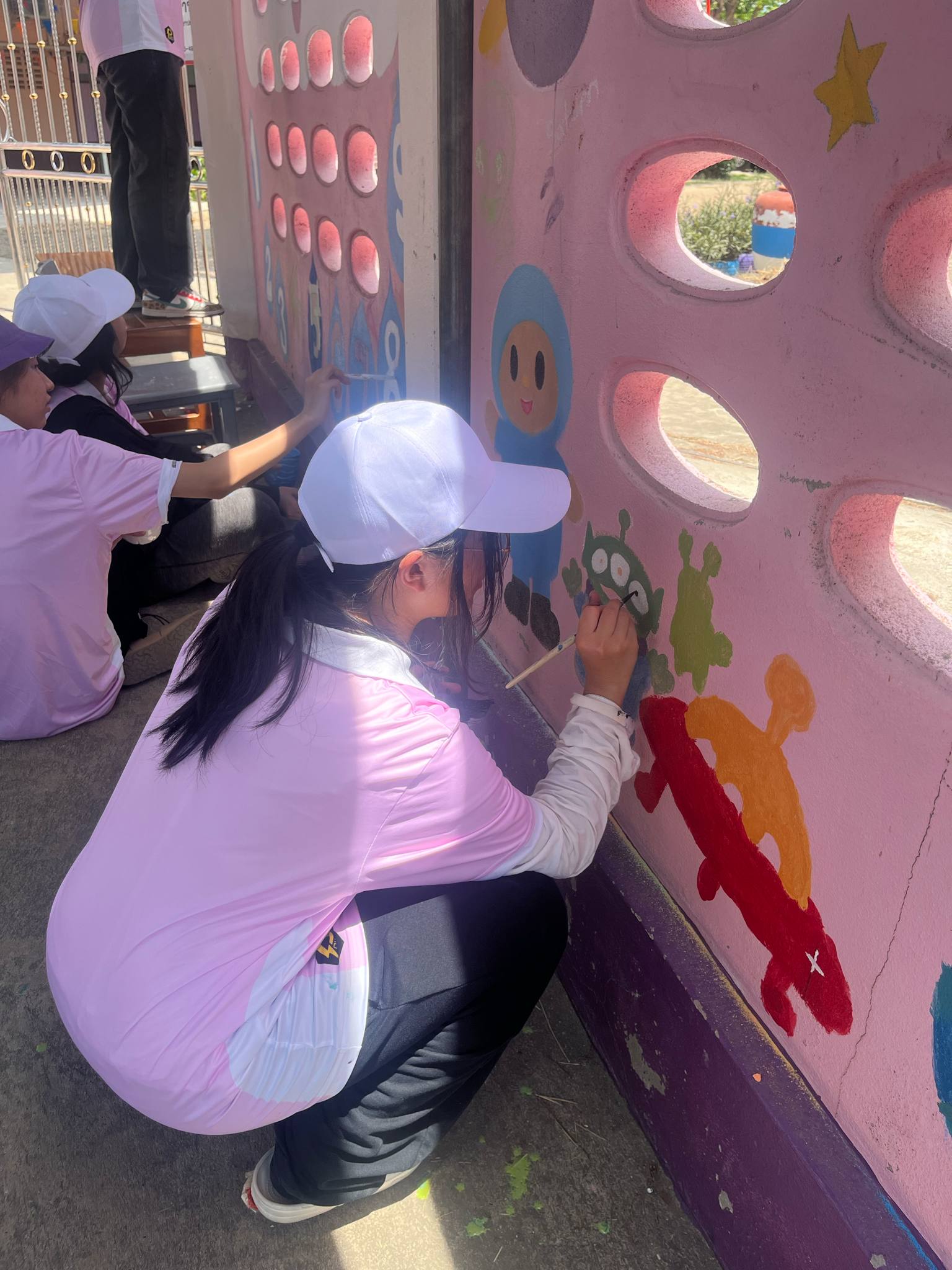
Be involved on campus and be open to meeting new people! I was able to try a ton of new things for the first time and connect with other students.
How will your experience benefit you in the future? How might it affect your future career or studies?
As a former climate policy researcher and global health/biology major, studying ecology in Thailand has been incredibly eye-opening. The field visits helped me understand development, tourism, and environmental climate policy through a critical ecological conservationist perspective. Thailand is a developing country with a huge clean energy infrastructure and rich biodiversity, so it was a valuable place to learn. In the classroom, I learned about the impacts of human activity on nature, but the field visits to Kanchanaburi and Koh Sak allowed me to directly observe and experience it. Placing myself in the natural environment and directly measuring the effects motivates me to advocate for development and climate policies that prioritize wildlife/habitat conservation.
What is a custom, food or tradition from your host country that you are taking forward?
When I landed in Thailand, one of the first things I noticed was that almost every building had a miniature house in front of it. It was usually painted white or gold and had water bottles or other offerings around it. I later learned that those small houses are called “Spirit Houses” and they are shrines meant to appease/thank the spirits of the building or land. A traditional belief among Thai people is that everything has a spirit, whether it is living or nonliving. The intention behind the spirit houses is to thank the spirits of the building/land to protect and bless the people living there. Although I don’t plan on building a spirit house of my own in the US, I plan to take forward the mindset of honoring the spaces that I walk into. Whether I’m going to work, school, or home to rest, I hope to remember the image of the spirit houses to remind myself to be mindful and thankful of all the places I go.