South Korea: Global Gateway Summer 2026 (Reflections)
Program: UW Global Gateway in South Korea, Summer
Nadya F: Career Connections
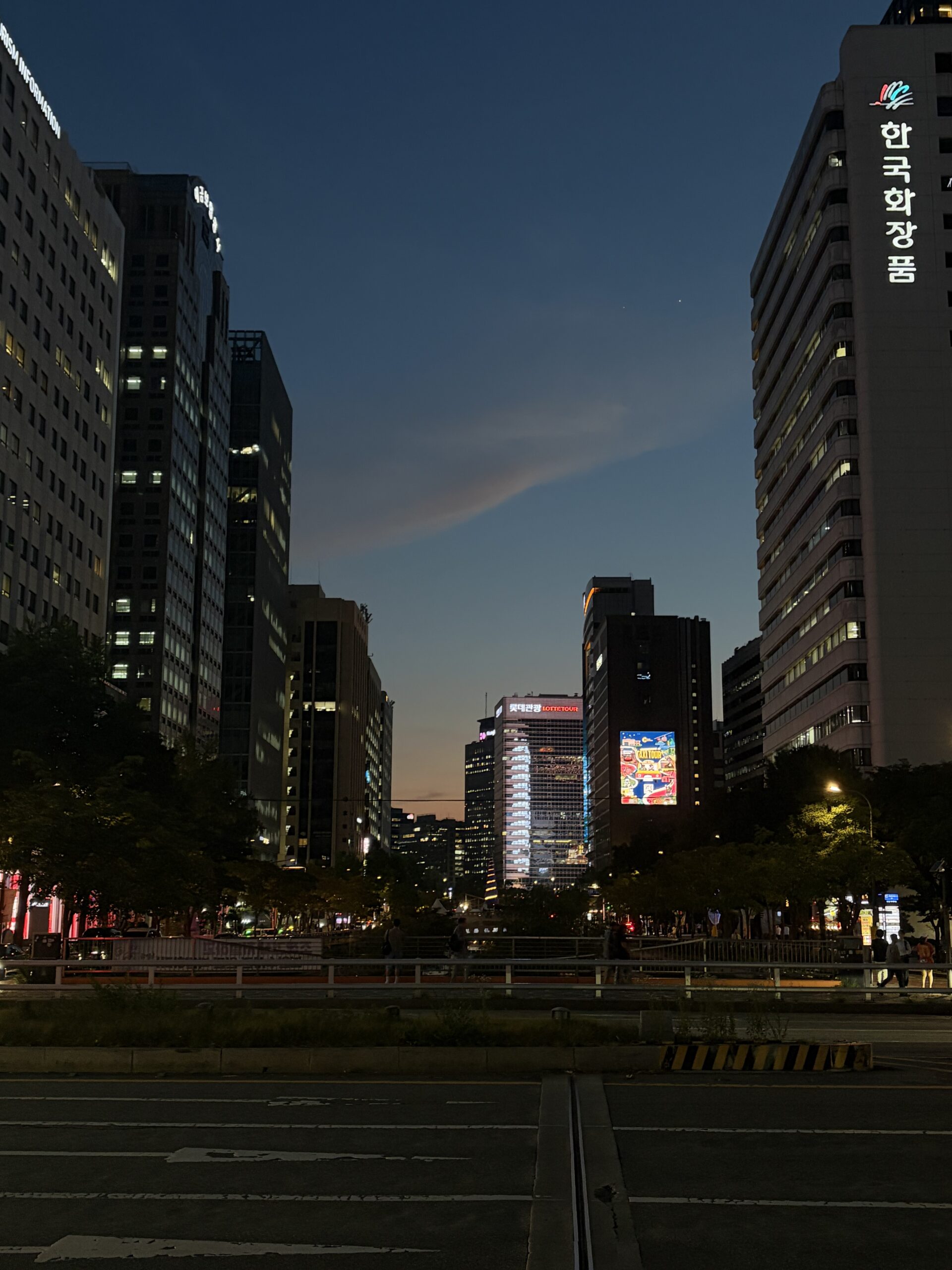
While spending three weeks in South Korea, one thing that really stood out to me during our time in Seoul’s financial district was how quickly everything moved. You would see professionals literally running between buildings, while digital technologies were seamlessly integrated into everyday routines to improve daily life. As someone interested in UX and majoring in Information Science, I have spent a lot of time paying attention to details that most people do not realize are there, especially accessibility, user behavior, and how people navigate everyday experiences.
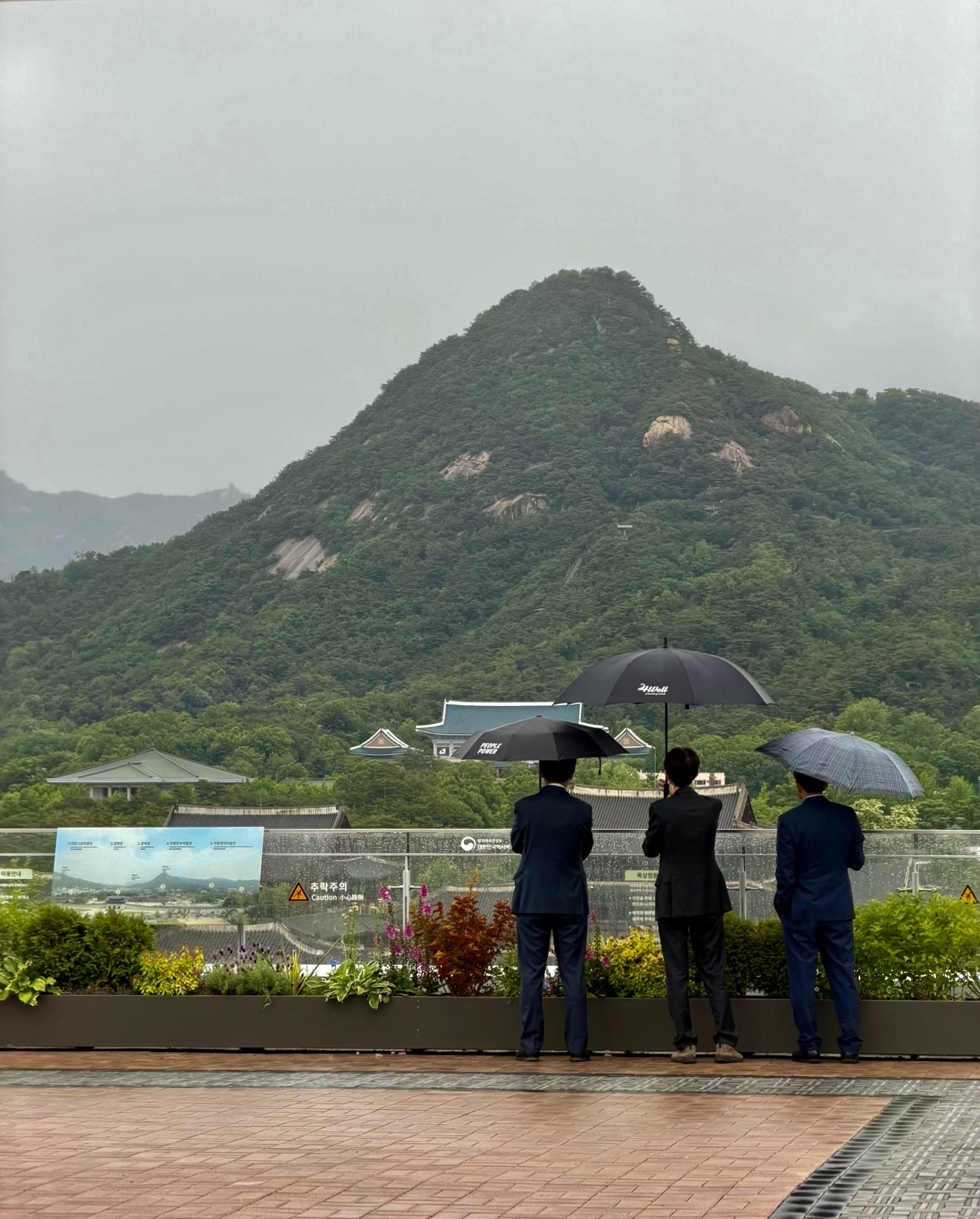
Earlier in the program, I remember standing in a busy subway station feeling overwhelmed, trying to figure out if I was getting on the right train. I was surrounded by signs in Korean, fast-moving crowds, and unfamiliar systems. As I stood there, I began noticing the small details like how sounds represented which direction the train was heading, how colors represented different subway lines, and how layouts guided people without needing many words. Even when I could not fully understand the language, thoughtful design definitely helped me feel more comfortable in a new space.
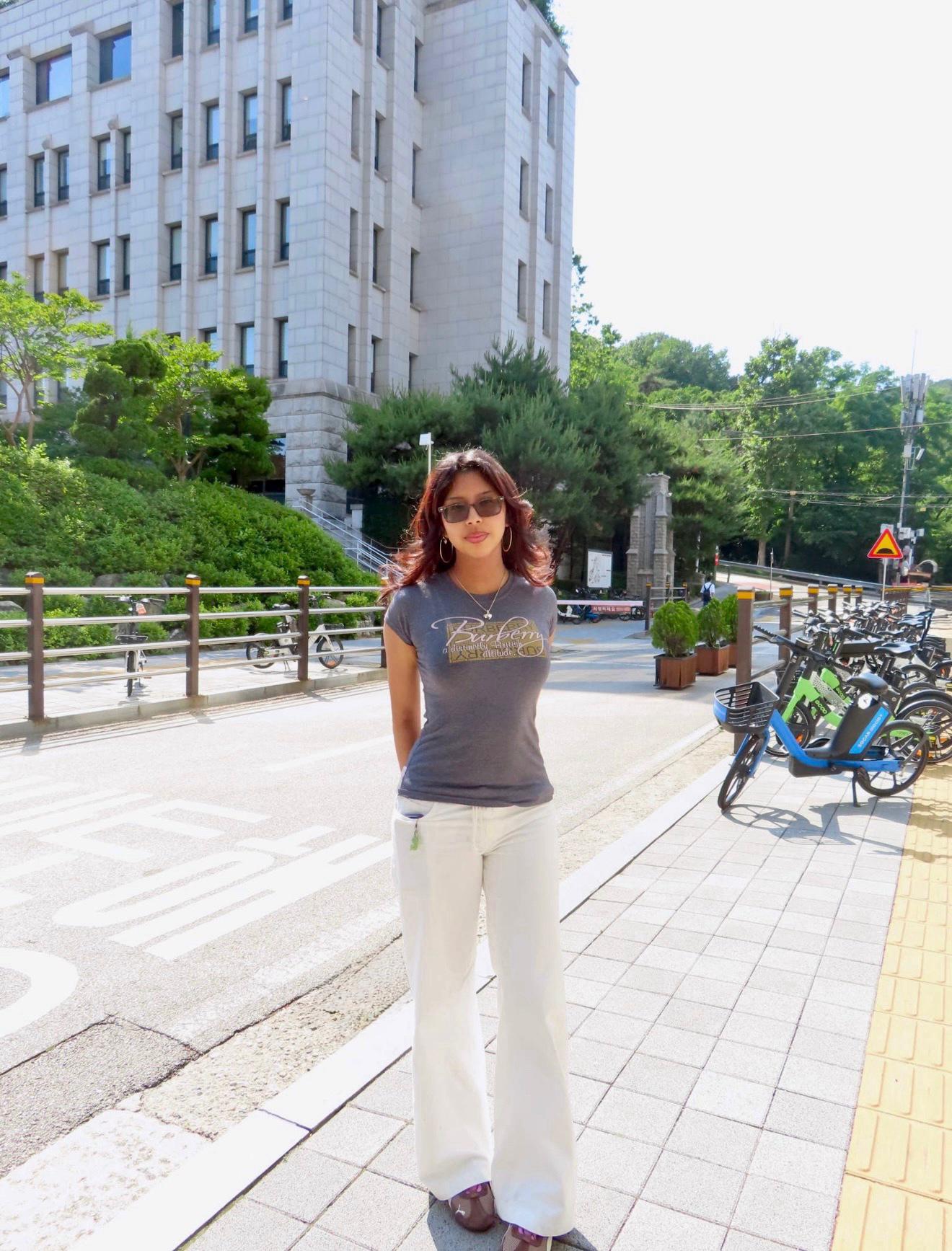
These experiences helped me develop skills that I know I will use in my future career: observation, adaptability, and empathy. Instead of immediately feeling frustrated when something was unfamiliar, I learned how to analyze situations, ask questions, and understand how different things work. As I’d be navigating public transportation, using digital kiosks, or exploring Seoul’s financial district, I constantly found myself thinking about the relationship between people, technologies, and design.
Despite not being a history or international relations major, Global Gateway helped me better understand what the career path I hope to pursue looks like in different countries. More importantly, it showed me how thoughtful design can connect with a larger audience through a more universal language, even across cultural and language difference.
Lizbeth M: An Impactful Moment
These last three weeks have been full of so many emotions. Not only did I get to learn a lot but I also got to experience first hand what it is like to live in Seoul. The most challenging part of this program for me was the way that Korea constantly shifted between feeling familiar and feeling completely new. When I arrived in Seoul, I was struck by how much the city reminded me of Chicago, a city back home, with the skyscrapers, the busy streets, and the modern stores. For a moment, it almost felt like I hadn’t traveled across the world at all.
But that sense of familiarity challenges me in unexpected ways. Small daily tasks that came natural to me, such as ordering food, reading signs, taking public transportation, suddenly required so much more effort. Navigating the city without being able to read Hangul and adjusting to different customs around dining and greetings pushed me outside my comfort zone more than I expected. Thankfully, I had a group of friends that I made in the cohort that made navigating the city feel less stressful and more like an adventure. I came to understand that the feeling of being a little lost is part of really experiencing a new place. As time went on, I got to be comfortable in the uncomfortable.

However, the moment that was an eye-opener for me was when we visited the observatories along the border area between North and South Korea. As I stood there, looking through the binoculars across the divide, I could see the northern peninsula. Seeing this, I realized that it was much closer than I had ever imagined. It made the history we had been learning about feel real in a way that readings alone never could. It made me question the possibility of reunification, even the ideas of “what-if”, alternate decisions that could have led to different outcomes. It made me rethink my time in Seoul, where the South was a city full of energy, people commuting to work, students heading to school, restaurants full of life, and yet, just a short distance away, an entirely different reality exists, one shaped by decades of separation and history. This contract will forever stay with me.
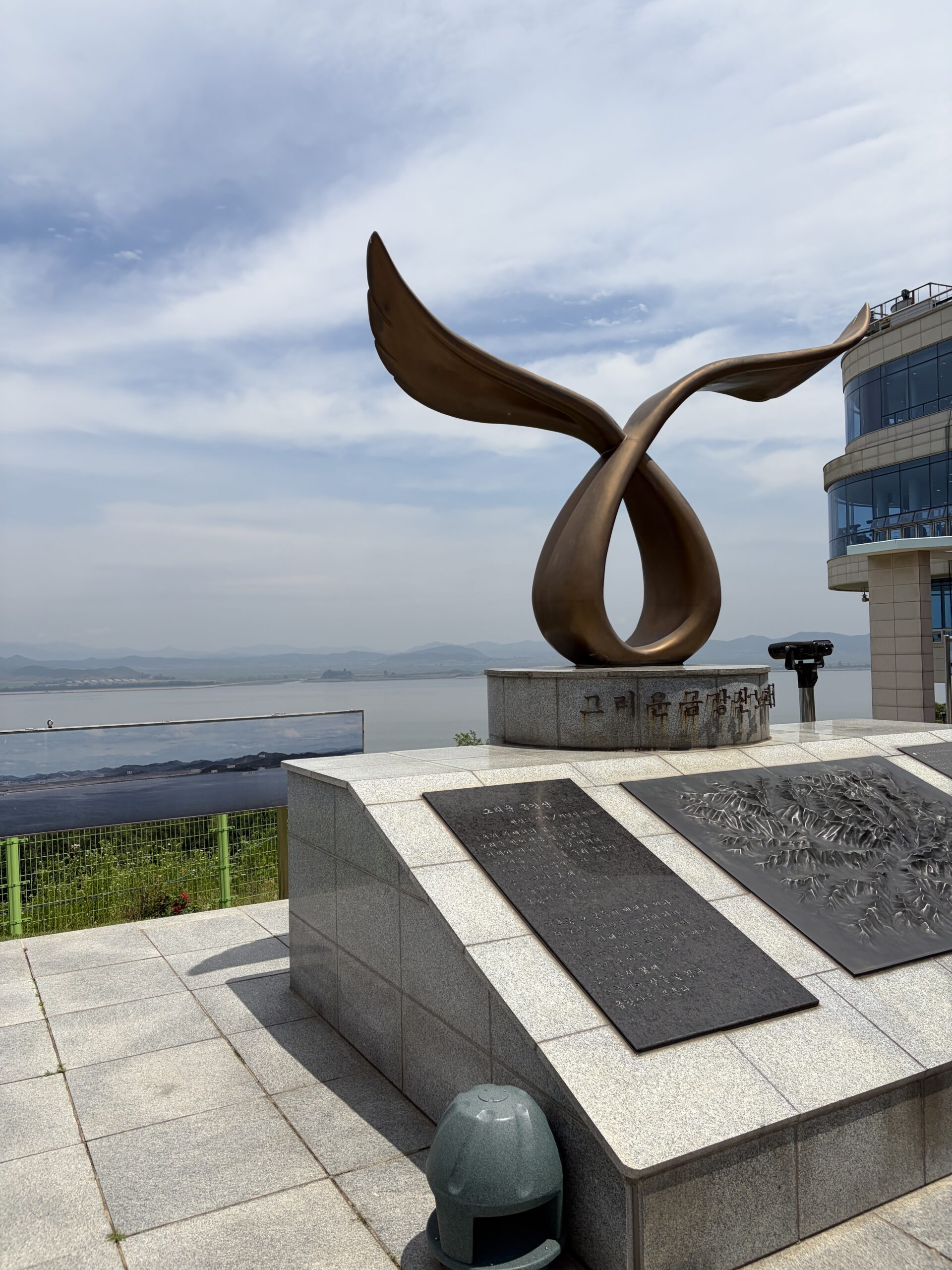
It made me think differently about the Korean peninsula, as not just a place I studied in, but as a place where real people have lived through real history and where that history is still present in the everyday life of Koreans. A place who is technically still at war despite once being one people and one republic. This program has given me the chance to see that history is interconnected, it has allowed me to learn through experience which has deepened my understanding of the Korean peninsula and its relationship with the United States.
Jade W: Sustainable Practices
South Korea is different from Wisconsin in many ways such as language, architecture, and food. Some of the smallest differences in culture are the ones I admired the most. Eating as a group, maintaining an active lifestyle, and creating less trash are three sustainable practices I can continue to learn from and incorporate into everyday life in America.
Korean culture places an emphasis on community, and many restaurants cater to this by serving many small dishes that large groups split for their meal buffet-style instead of serving one dish per person. While this did make it more difficult to find restaurants that would serve just one person, I appreciated that this custom allowed me to try many different dishes at once instead of just the one I could order by myself. In America, we can easily recreate this culinary practice when we want to by ordering different dishes and agreeing to split them when in a group.
Additionally, South Korea is home to a very strong hiking culture. Even in its largest cities such as Seoul, Koreans young and old spend their weekends outdoors. In fact, most of the hikers I saw on the trails were elderly groups of friends chatting and socializing. While Wisconsin terrain is much more flat than South Korea (which is nearly 70% mountains) and therefore does not support so much hiking, we may still learn from their dedication to physical activity. To replicate their healthy lifestyle, we can spend our weekends going for walks in the park or exploring bike trails. They are proof that we are never too old to enjoy physical activity and nature.

Finally, I was impressed with South Korea’s commitment to environment-friendly practices. South Koreans are taxed based on how much waste they produce through trash. This discourages them from supporting businesses with overly wasteful packaging. While I cannot replicate the tax, I can replicate some of their day-to-day habits. Using reusable bags for grocery shopping and reusing packaging, wrapping, and bottles are all ways we can reduce how much waste we produce.
Though my study abroad program experience has come to an end, I will continue learning from Korean culture by researching customs and staying in touch with friends. In just three weeks I noticed many practices in the kitchen, outdoors, and trash that I hope to replicate in positive ways. Through careful observation and research, we can take our study abroad program lessons with us and even incorporate them into everyday life at home.