Chile: Global Gateway Summer 2026 (Reflections)
Program: UW Global Gateway in Chile, Summer
Jenna A-Z: Career Connections
Studying sustainability and climate justice in Santiago, Chile has been the most academically enriching experience as an economics major. While economics is often associated with numbers and calculations in a classroom, studying in Chile has revealed how interconnected economics and the environment are with the management of natural resources and social systems. Within this program, my coursework has allowed me to visit businesses and entrepreneurs who have found ways to flourish economically in an environmentally friendly setting.
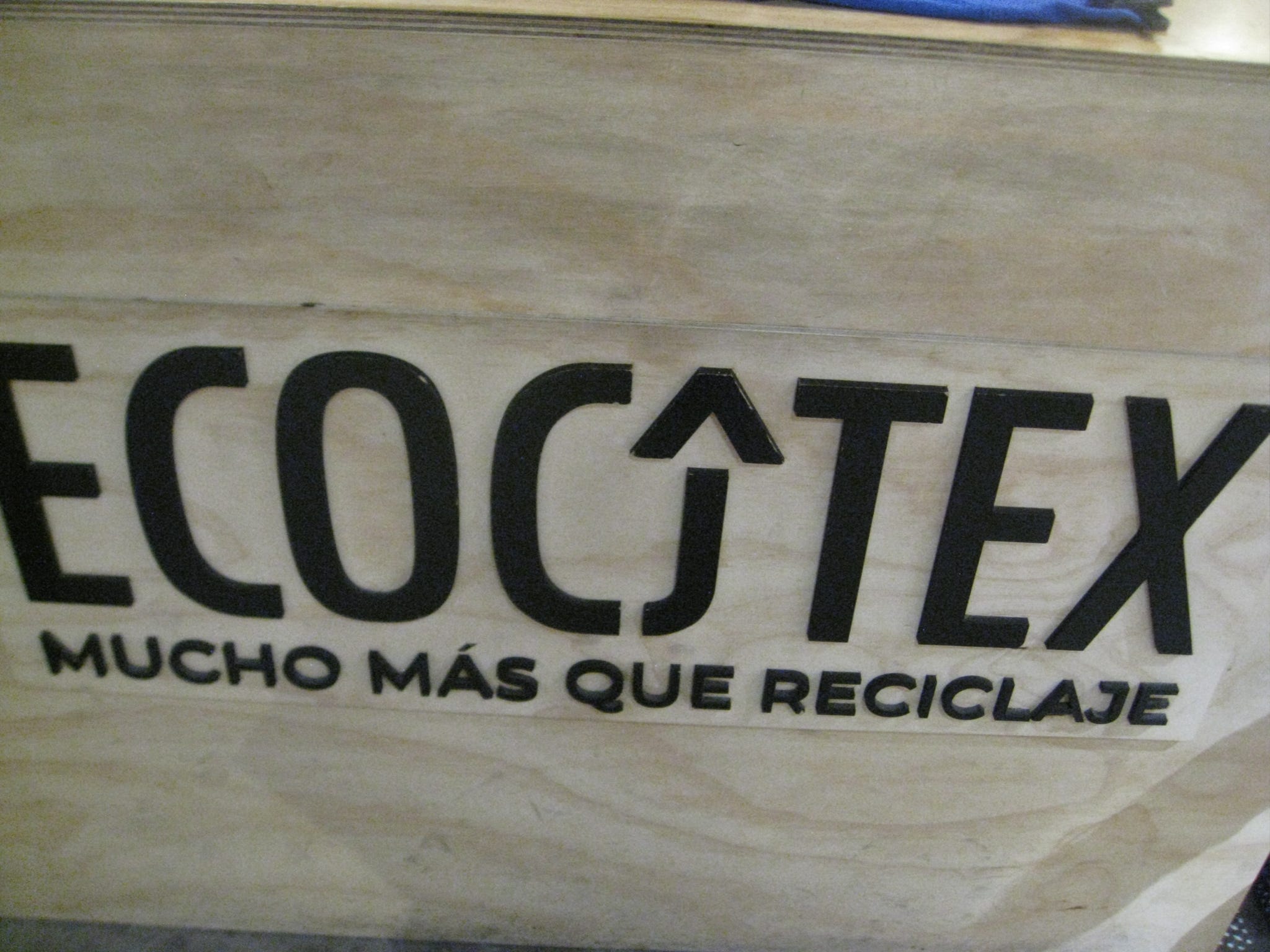
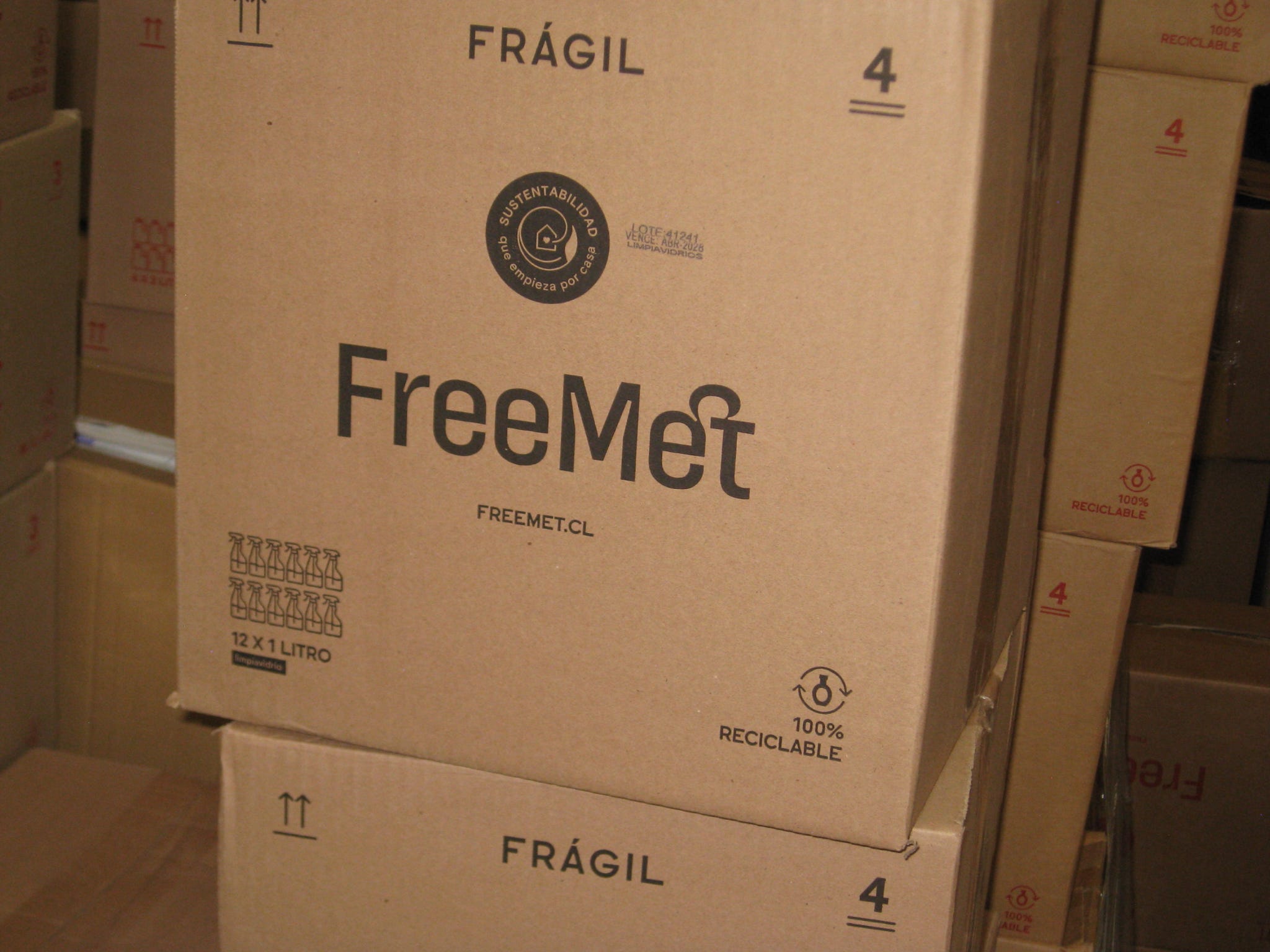
One of the most memorable moments was when our cohort visited Freemet, a business that designs household products in an eco-friendly way without harmful chemicals that pollute the ocean; instead, the company’s products are actually able to clean the ocean of certain pollutants. Another company we visited was Ecocitex. Ecocitex is a clothing company that sells secondhand clothing and products made with recycled materials, such as hats, bags, and blankets. Viewing these initiatives has revealed how I want my career in economics and business to be centered around consulting large companies to shift to more sustainable practices for greater economic growth and environmental prosperity.
Studying the intersection between economics and climate justice has been beyond rewarding for my professional aspirations. This course has challenged how sustainability shows up in cultural, political, and economic contexts within Latin America and the United States.
Ariadna G: An Impactful Moment
Before coming to Chile, I expected that speaking Spanish would make many aspects of daily life easier. Growing up around my family that spoke Spanish, I was already familiar with the language and felt confident communicating. One of the most eye-opening moments of my program, however, was realizing how much variation can exist within the same language.
While I could understand most conversations, I quickly noticed that Chilean Spanish uses different words, expressions, and meanings than I was used to. One example was the phrase “me da pena.” Based on my previous experiences with Spanish, I thought it meant that it makes me embarrassed. In Chile, I learned that people often use it to mean that it makes them feel sad. Moments like this happened often and reminded me that language is shaped by culture and context.
An even bigger challenge came when discussing food. I already knew fewer food related words in Spanish, and then I was introduced to dishes that were completely new to me. Reading menus or hearing people talk about local foods sometimes left me unsure of what they were referring to. Rather than pretending I understood, I started asking questions. Friends, classmates, and locals would explain the ingredients or compare a dish to something I already knew, helping me learn both the vocabulary and the cultural significance behind the food.


As the program continued, I became much more comfortable asking for clarification when I encountered unfamiliar words or expressions. Instead of viewing these moments as obstacles, I began treating them as opportunities to learn. Each conversation taught me something new about Chilean culture and the diversity of the Spanish-speaking world.
This experience showed me that sharing a language doesn’t mean sharing exactly the same vocabulary, expressions, or cultural references. It encouraged me to approach new situations with curiosity rather than assumptions. Looking back, learning the differences between the Spanish I grew up hearing and the Spanish spoken in Chile became one of the most meaningful and educational parts of my experience abroad.
Destiny I: Sustainable Practices
My experience in Chile made me stop for a minute and reflect on everyday choices people make around waste. Something as simple as ordering food has suddenly felt different. Take-away containers were almost biodegradable, and every time I dined in, restaurants would use glassware and paper straws only. Unlike the United States where we overuse the amount of plastic just to wrap it around with plastic. At first, it surprised me, but then it made me pay more attention to how I also relied on plastic back home in my daily life.
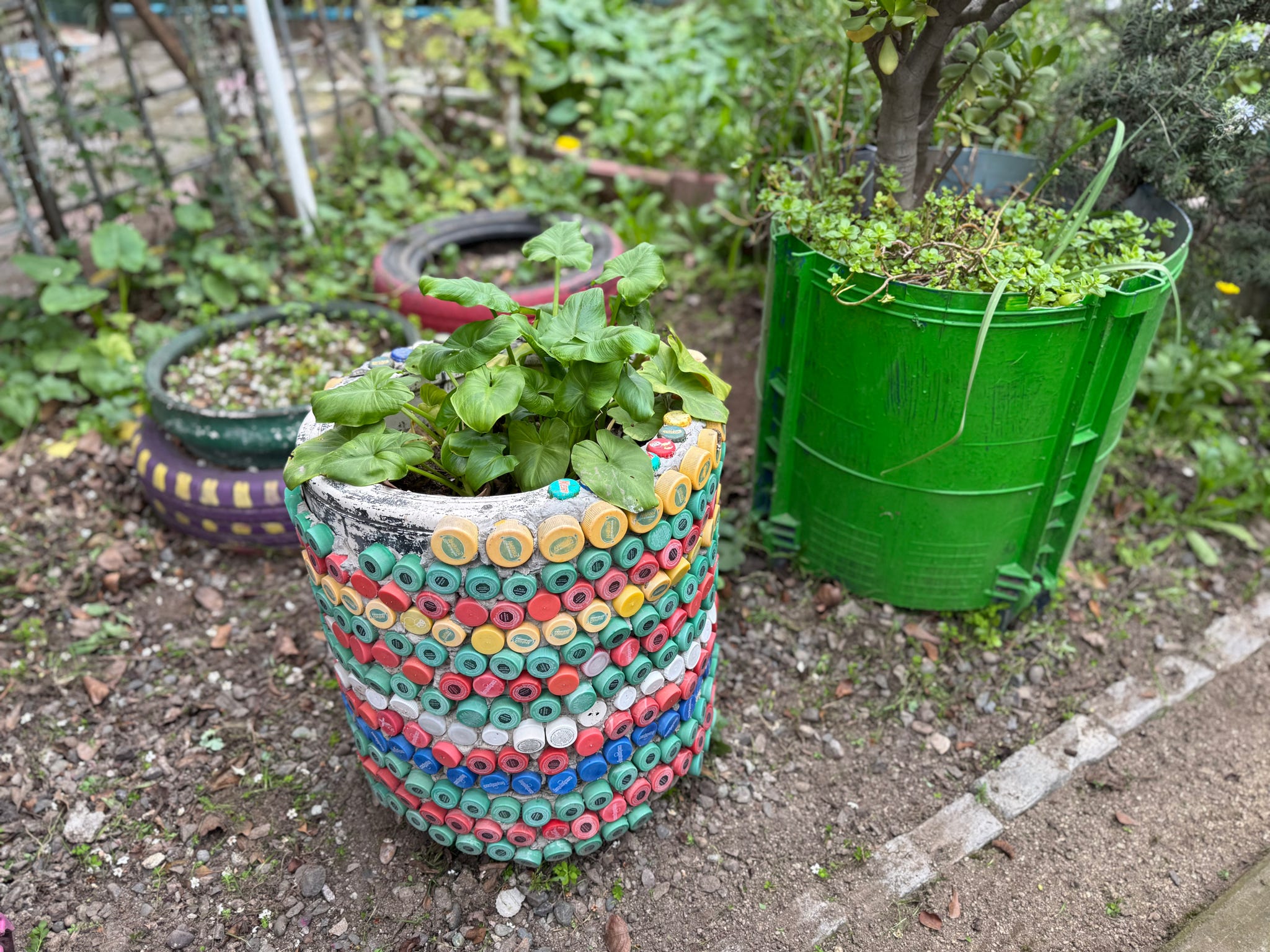
During our class discussions on waste management, I kept coming back to the idea that in Chile, informal waste collectors are the backbones of recycling, not the government. Meeting Camilo Rodríguez in Puqueldón made that even more real to me. Hearing him explaining the life cycle of recycled materials, and how certain plastics can only be reused in a variety of ways. This shifted my perspective of “recycling” as a simple solution when it’s not at all. It’s a system that depends entirely on people, knowledge, and community effort.
This experience pushed me to reflect back on my own habits. I realized how I wanted to be more intentional about my daily plastic intake. Such as making minor changes and carrying a reusable straw and utensils, choosing to dine-in, bring my own reusable cup for coffee, and repurposing plastic into pots, art, etc. These are not just huge actions, but I feel it as a step towards being more mindful and less wasteful. When I return home, I want to keep researching about my own city’s recycling system, local composting support programs, or simply asking about where my waste goes. Chile has showed me that sustainability is not just a policy, it is also a mindset, and I plan to grow more in that direction.