Ghana: Global Gateway Summer 2026 (Reflections)
Program: UW Global Gateway in Ghana, Summer
Madison H: Sustainable Practices
When I think about sustainable practices in Ghana, I immediately think of the Tetteh Quarshie Farm. The Tetteh Quarshie Farm is the first cocoa farm in Ghana that was created by a man named Tetteh Quarshie. Tetteh Quarshie was a blacksmith who illegally smuggled cocoa in 1879 from Fernando Po, an island in Equatorial Guinea, which ultimately helped establish Ghana’s economy.
When we visited the farm, our guide gave us a breakdown of how cocoa beans are harvested. This process starts with using a cocoa knife to cut the fruit from the tree, let them ferment for days, and dry in the sun for several days after this.

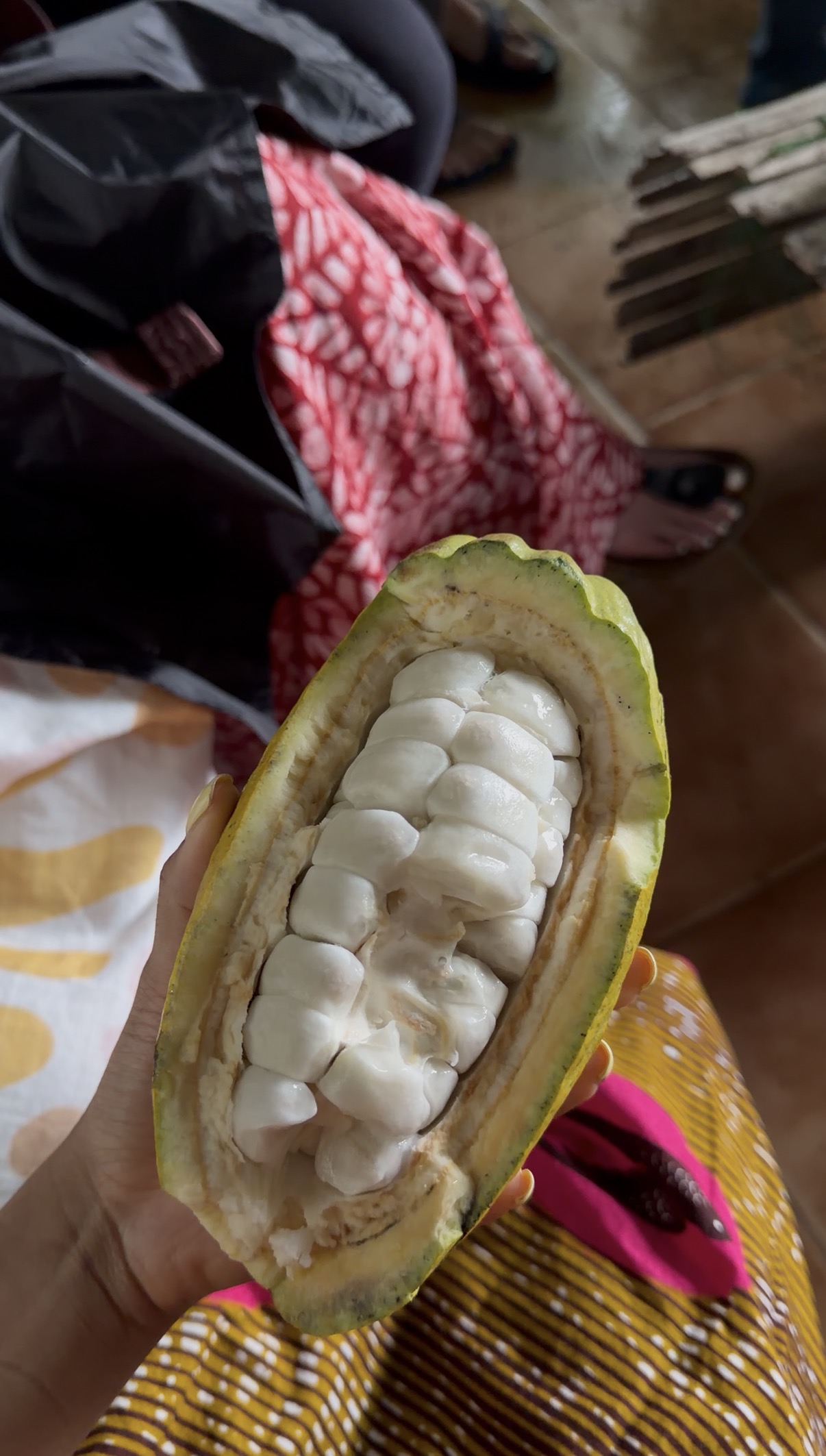
What stood out to me the most about the usage of cocoa beans is how nothing goes to waste. The cocoa seeds are made for chocolate and cocoa liquor, the skin of the fruit is used for African Black Soap, and the fruit in general is used to make cocoa butter. I found this fascinating and amazing!
Although using cocoa beans in its entirety may seem small, it contributes to Ghana’s economy in numerous ways, especially since Ghana relies so heavily on cocoa to fund the country. Hearing all of this information during my time at the Tetteh Quarshie Farm made me realize that I should also use the resources I have to the fullest.
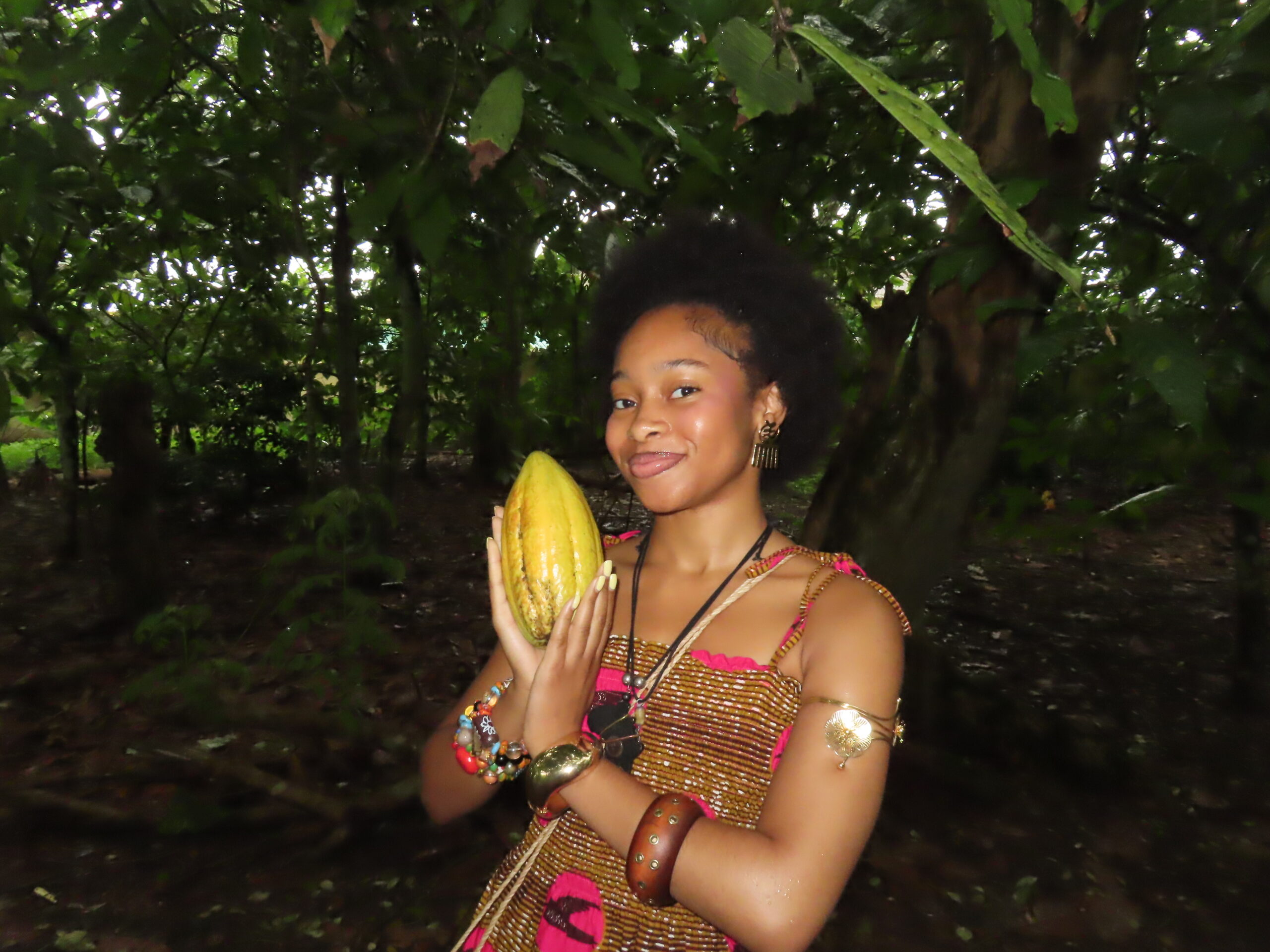
Since last year, I have been very passionate about juicing and eating healthier. I live by the motto, “When you eat good, you feel good.” Whether I am making juices or preparing meals, I try to make sure I use everything I can because each ingredient carries nutrients that can nourish my body in different ways. For example, when juicing fruits like pineapples, oranges, or ginger, I think beyond just the juice itself. Every component of the fruit has value, just like the cocoa fruit.
This experience at the farm made me realize that sustainability is not only about the environment or the economy, it is also about mindset! The cocoa bean is a symbol for how I want to approach my life: using everything I have been given to the fullest. Just as Ghana has built so much from one small bean, I want to make the most of every opportunity that comes my way and turn it into something meaningful.
Camryn H: Career Connections
As someone who finds anxiety in the unexpected along with having the tendency to stay within my comfort zone, applying to the UW Global Gateway Ghana program was a big leap for me, but it is a leap that I hold no regrets about. The education, memories, and relationships with both my peers and mentors during my time in this program is something that I will cherish for the rest of my life. Prior to this experience, I had never studied abroad, not to mention gone abroad, so this initially felt very intimidating to me. However, once I began to build relationships and adapt to this new environment, I realized that it is vital to step out of my comfort zone and embrace new experiences. This was so important for me to learn early in my educational career as a Pre-Law student because change, especially unexpected change, is inevitable and is something that is important to manage.


In all honesty, the first few days abroad were very difficult. Although I was in a beautiful place filled with welcoming people, I still missed my home and my family. These were things that brought me stability and consistency. However, as someone who wants to go into law, nothing about that career is consistent: clients, locations, cases, and coworkers are all fluid variables. That being said, I needed to find ways to adapt to this change not only for my present self, but also my future self. I made sure to talk to my family every day and keep them updated with what I am doing, journaling every day to embrace everything I was learning, and make plans with my cohort that allowed me to be in the present moment and not worry about what the future held. These strategies allowed me to immerse myself in the culture and enjoy the experience whilst simultaneously throwing away the countdown and going day by day instead.

Within the course, “Global Social Problems in Ghana,” we had the opportunity to learn more about the history of Ghana’s social structure, how Ghana interacts with the trade market, and different policies especially in government and healthcare. Although these findings do not directly apply to life in the United States, it is worth mentioning because in order to understand human behavior, you must first think critically about the individual’s history and the things that have affected them, which is very important within solution-oriented jobs such as being a lawyer.
Overall, I am beyond grateful that I had this opportunity to study abroad in Ghana. I was able to adopt skills beyond those mentioned in this blog and furthermore create lifelong memories and friendships. I encourage not only myself, but anyone reading to take the risk and go out of your comfort zone because it will allow you to let go of the fear of what the future holds and fully embrace where you are right now.
Wasuk K: An Impactful Moment
Throughout our time in Ghana, we’ve learned about the variety of problems currently facing everyday Ghanaians. What’s been both the most challenging and eye-opening part of this program is that none of these problems exist in isolation, they layer on top of each other in ways that make it difficult to know where to even begin. The educational system is deeply unequal, with under-resourced schools lacking basic funding, digital connectivity, and more, while top schools remain out of reach for most. The healthcare system leaves everyday Ghanaians facing long wait times, and rural communities outside of Accra are often underserved or not served at all. A 30-minute drive can take an hour or longer with road conditions riddled with potholes and flooding after a storm. Issues like galamsey, homelessness, climate change, and a corrupt political system continue to compound on top of everything else. Learning about these issues in a classroom is one thing, seeing them up close is another entirely.
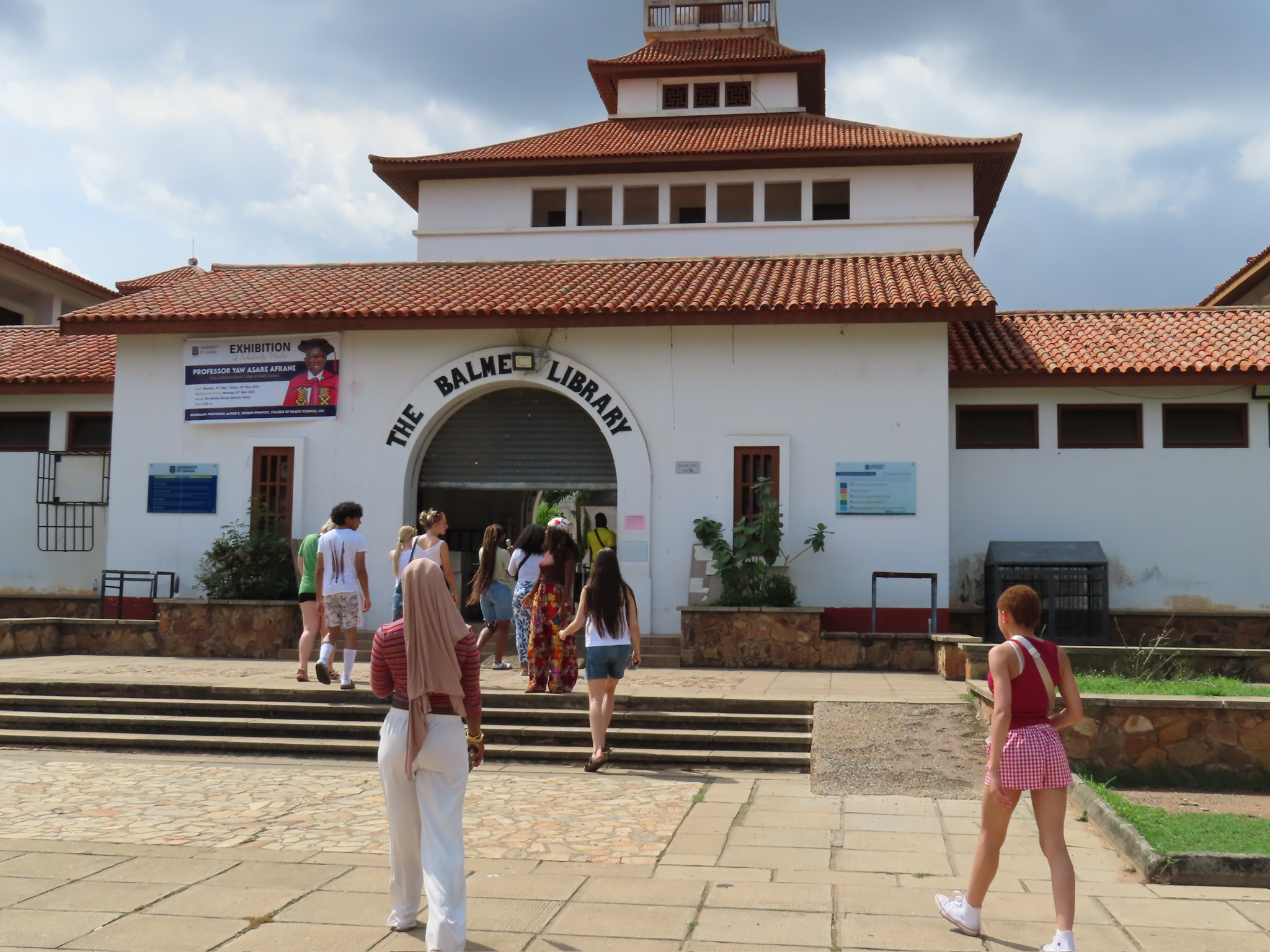
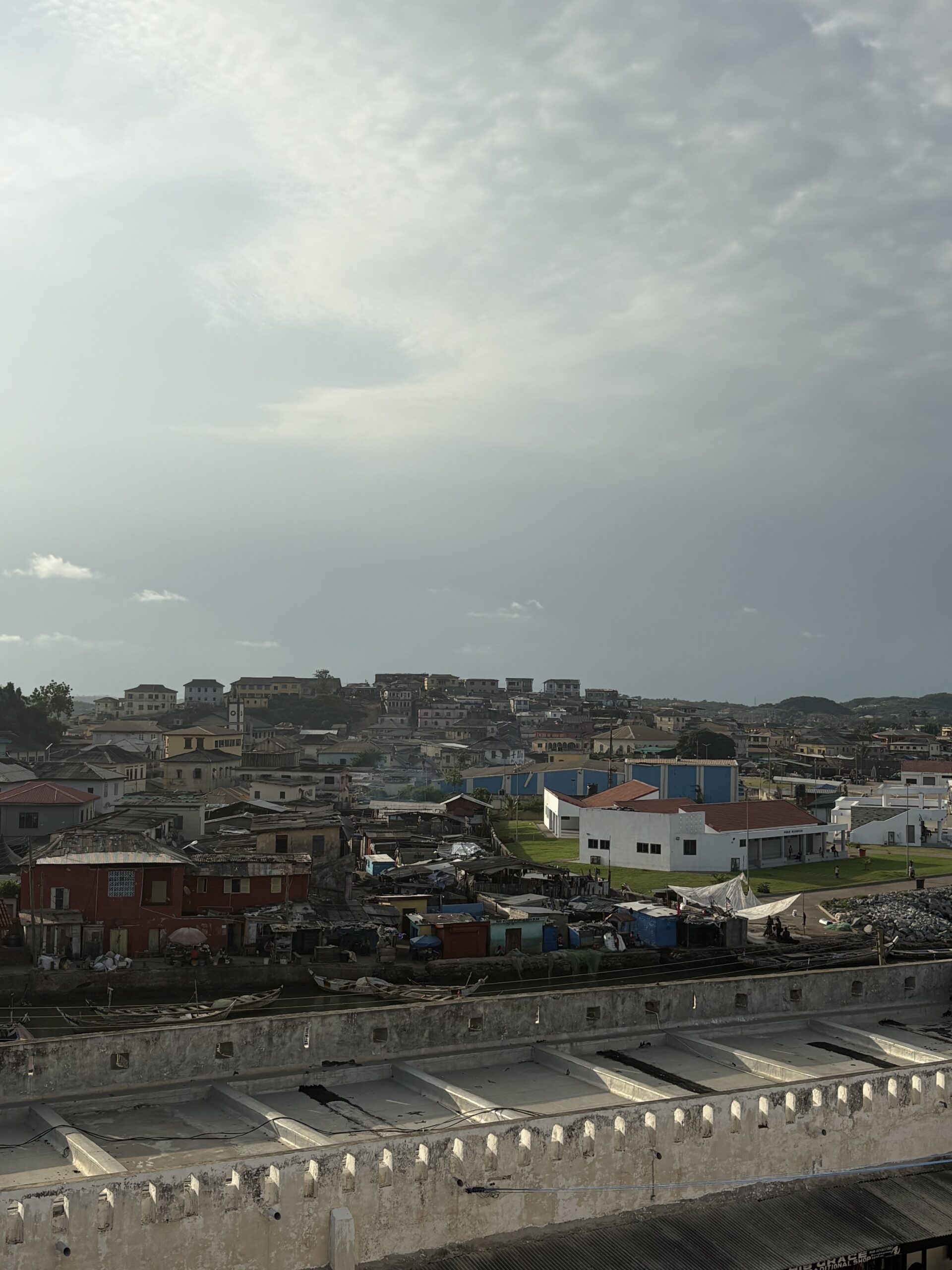
The way I dealt with these problems facing Ghana was by shifting my attention to the younger generation, specifically Gen Z. Many Ghanaians have lived with these conditions long enough that a certain resignation has set in. When a government has failed its people consistently enough and long enough, expectations lower. The hope, for me, lives in the younger generation. Young Ghanaians are more educated, more globally connected, and far less willing to accept the status quo as something permanent. They’re dissatisfied with a system that asks them to work hard for an education and then offers them nothing meaningful in return. Ghana’s problems are deeply tied to colonial legacies that were never fully reckoned with, but Gen Z here seems less willing to let that history be an excuse for the present. There’s a growing impatience, with corrupt politics, with stalled development, and with being asked to accept less. Focusing on that reminded me that challenges and hope can coexist, and that the most meaningful thing I can do is stay engaged with both.

McKenzie M: Career Connections
On program, my cohort learned from our CIEE advisor, Mike, about how to bargain. Whenever you go into a market space, bargaining is a normal practice in Ghana. How it works is that the seller will give a price and then the buyer will try and negotiate a new price. This can go on for some time, but the overarching goal is to buy the item at a lower price.
This may seem minuscule, but such a practice had made me feel very involved in the everyday life of Ghana. Here I believe outside markets are more prominent than grocery stores. You will always see people at the market, and to be able to participate in the bustle of such a space is very special. It personally made me feel very involved in my stay and understanding Ghana.
Bargaining with each of the sellers and different markets allowed me to grow my confidence and negotiation skills. It is truly not something you can be bad at, and you can only get better as you go on.
The key to bargaining is never hostility. Both parties must treat each other with respect; you must joke and feel comfortable with the deal you are about to make. I kept being called “sister” by those whom I was bargaining with, and in turn I was able to introduce a playful banter to our exchanges.
Bargaining is never about scheming against someone, but rather communicating and advocating for yourself. It shows you how to be patient and articulate your thoughts. It really is an eye-opening skill, promoting growth and quick thinking.
I would want to take this gained skill and use it to better advocate for myself. I feel as though I can communicate better and not immediately give in or give up. I’ve learned not to always feel like I have to go with the first opportunities presented to me. Life is like a market, and I must bargain for how I want it to be.