Estonia: Global Gateway Summer 2026 (A Day in the Life 2)
Program: UW Global Gateway in Estonia, Summer
Maya G: Learning on Excursions
An excursion that we attended while on the Global Gateway Estonia program was a hike from Kõrvemaa Hiking and Ski resort to Uuejärve farmyard. On this excursion we were able to fully immerse ourselves in the natural elements of the forest and bog. The excursion began with a silent hike through the forest to our first bog. Our guide encouraged us to walk in silence for the first ten minutes to tune all our senses to the breath of the forest. At the end of our ten minutes of silence, we entered a clearing that opened to the bog. We were enveloped in its ecosystem as we learned about the ancient history of the bog. Our guide told us that ten centimeters into the moss of the bog is equivalent to one hundred years of growth.
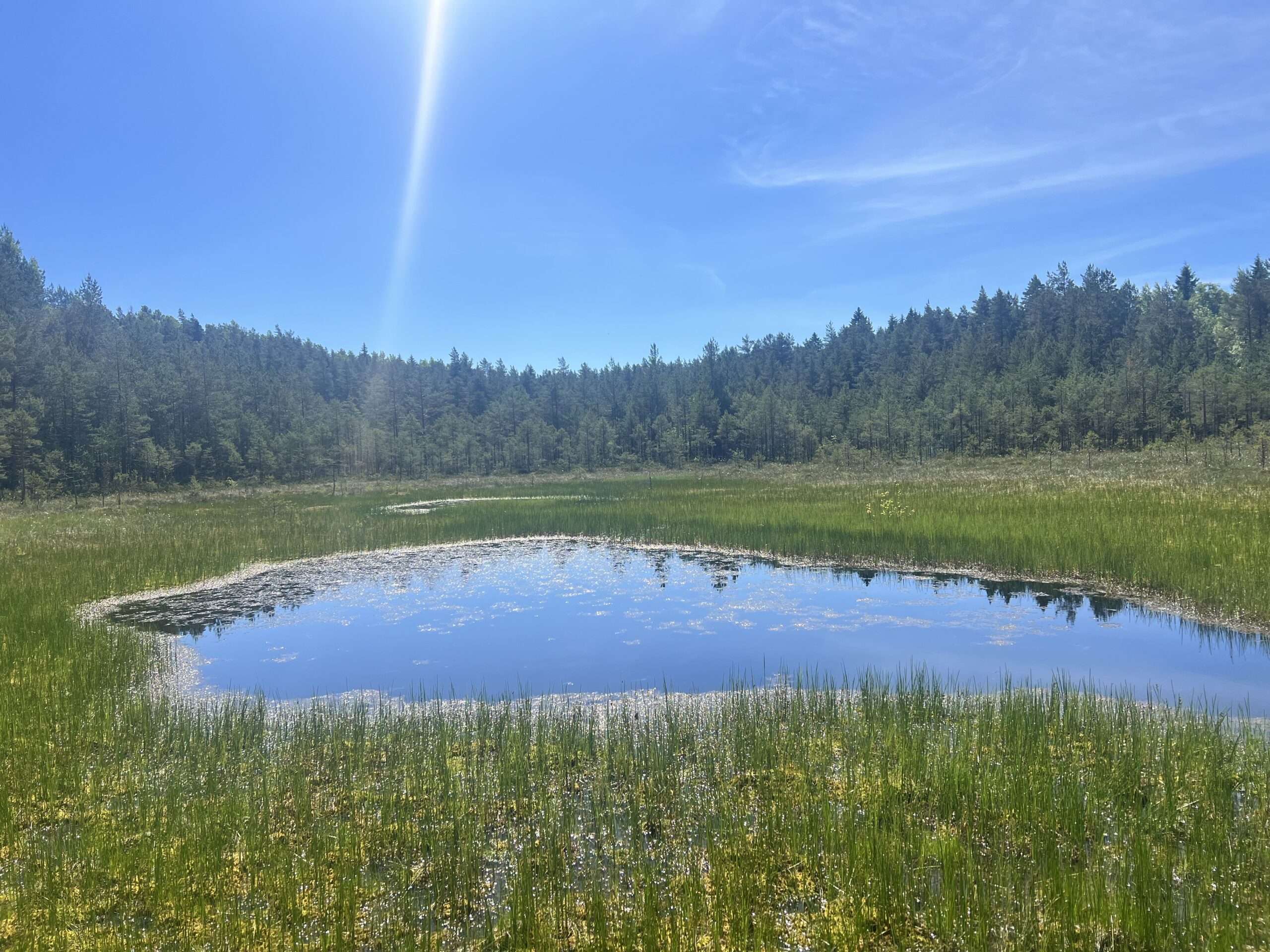
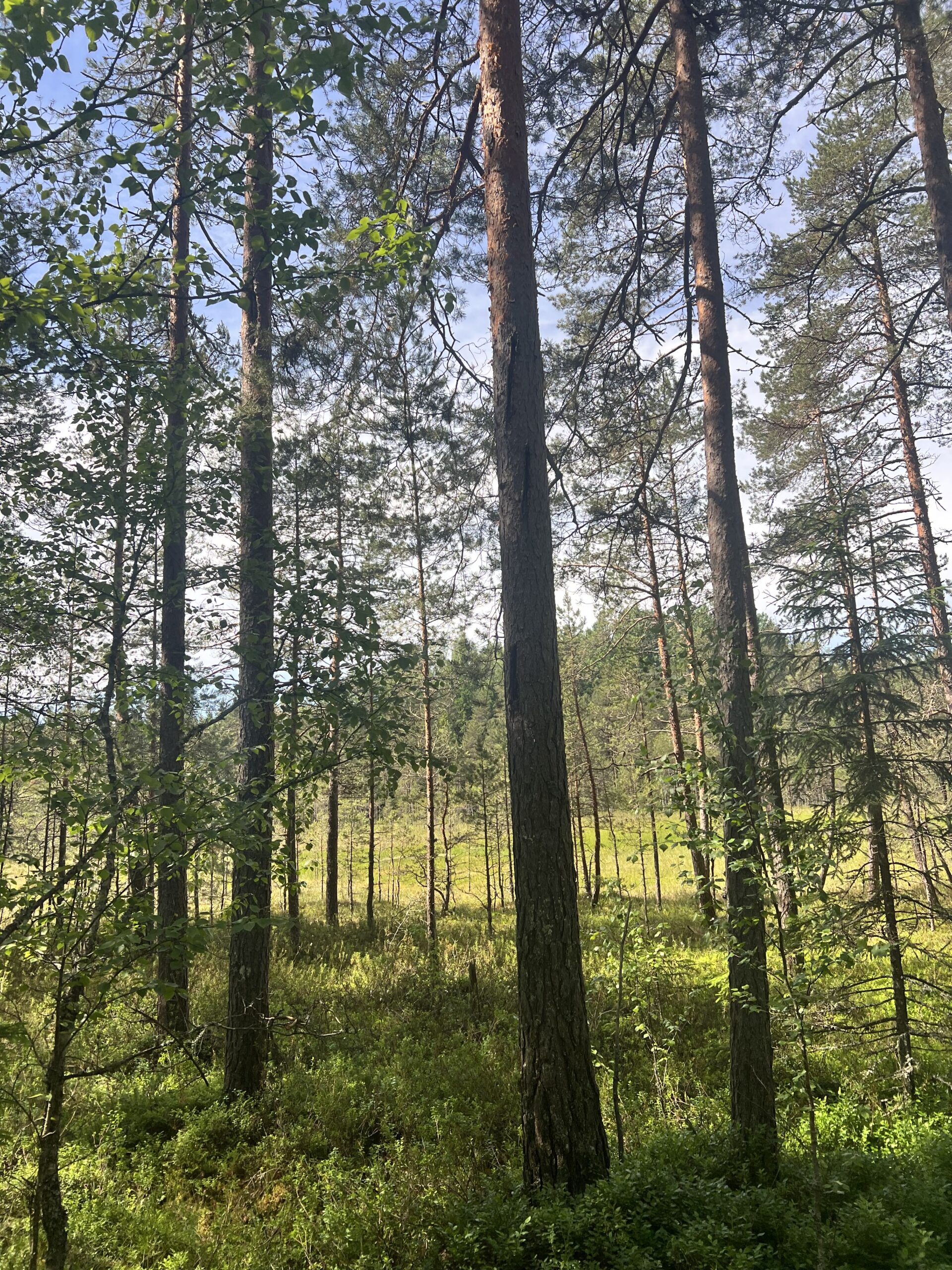
After the first bog, we took a small hidden trail that led us through the forest. This trail included hiking through brush, around fallen logs, and over large hills. It was quite the workout as we were hiking through mossy uneven ground. The middle of our hike consisted of trust building exercises. This included an exercise where one person would close their eyes, and their randomly selected partner would be trusted to guide them through the forest with only verbal directions. This once again encouraged a connection to the forest.

To end our hike, our guide told us to take off our shoes and walk the final passage barefoot. This, she explained, was to fully connect our bodies to nature as we emerged from the forest. This hike was a wonderful hands (and feet) on learning experience. Our bog and forest hike connected greatly to our course content. In the classroom, we’ve learned about Estonia’s deep connection to nature. Estonia’s ancient practices of animism are a wonderful example of this. There have historically been sacred pieces of nature, such as a rock or tree, that have been taken care of to appease gods or spirits. This practice has been maintained in Estonia manifesting a deep respect for nature. There is a myriad of folktales related to these spirits creating stories that entangle with the landscapes. Our excursion allowed for us to experience these landscapes firsthand. The lessons learned in conjunction with our hike are irreplaceable. Learning on excursion allowed for us to live our course material.
Morris S: Recycling in Tallinn
Recycling in Tallinn, Estonia is very similar to Madison, many of the same things are allowed and expected to be recycled. Madison picks up its own recycling for all residential homes and any apartments with less than 9 units. They then contract a private recycling company to sort and recycle the materials. Pellitteri Waste Systems is the company they employ. You can recycle some plastics, all paper, cardboard, glass, and metals, like cans. Madison also occasionally does brush pickup to collect yard waste and has drop off sites.
In Tallinn, you are expected to sort your recycling unlike in Madison. There are four bins Paper and Cardboard, glass and cans, packaging, and bio-waste.


Like Madison, the city then collects the recycling and there are two companies that deal with the sorting and processing of the recycling, Tallinna Jäätmete Taaskasutuskeskus and Eesti Keskkonnateenused. The first of which is owned by the city and the second is a private company.
Tallinn has many more compost and food waste bins than Madison which is a lot more sustainable because it means more food waste is being composted instead of thrown out. They are slightly less strict about the kinds of plastic allowed for recycling, allowing polyethylene and more of the plastic films in packaging to be recycled than in Madison. They also offer large electronic recycling to all residents for free, which Madison does not do. Another small difference is that there are no trash or recycling cans in hotel rooms, there are communal cans on each floor. Overall recycling is very similar here and very easy to get used to!
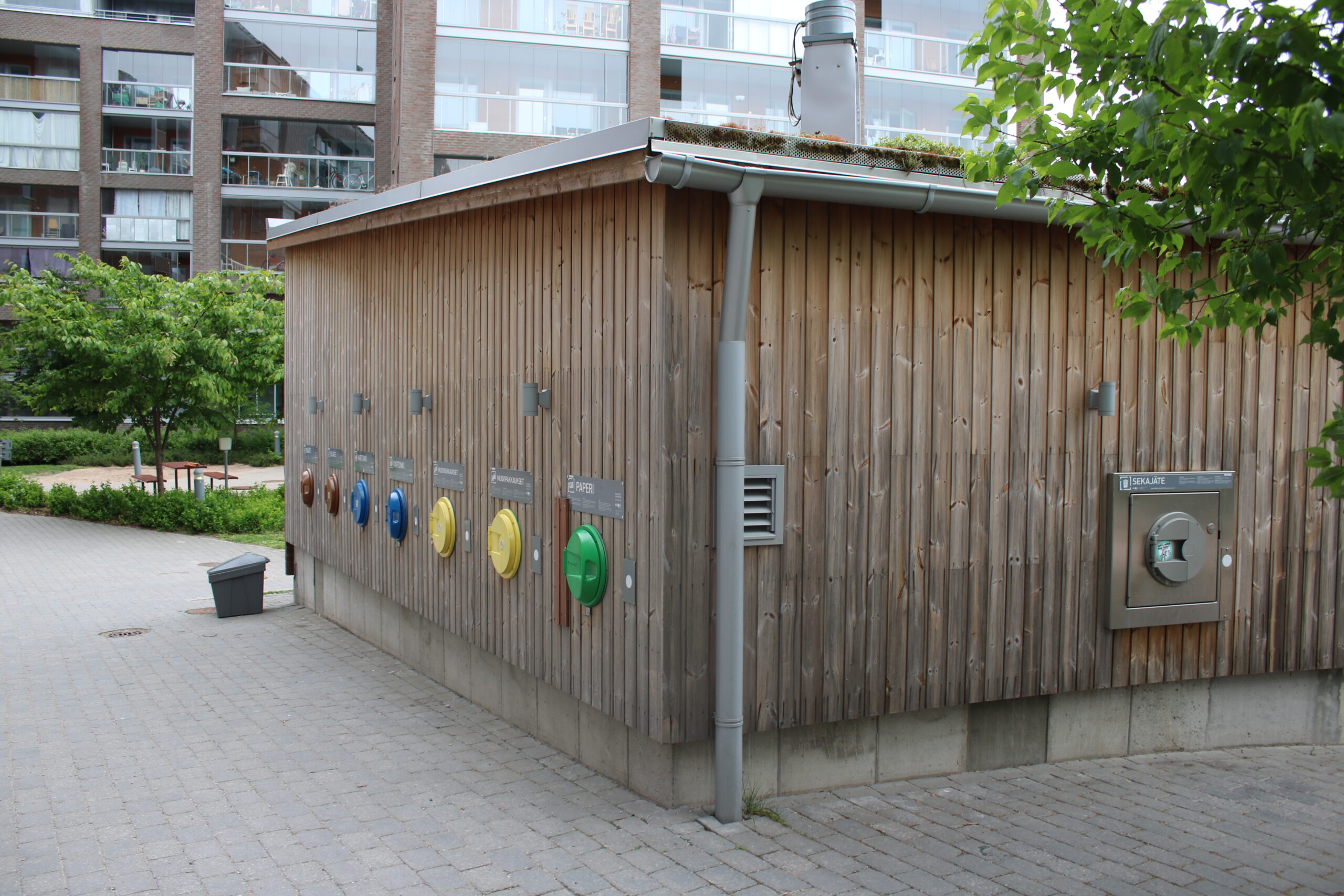
We extended our learning about environmentally friendly technology in Helsinki, Finland which has trash chutes where you can put your trash in and then the trash gets shot towards a central collection hub in underground tubes at 70 km/h!
Anika U: Our Global Classroom
In our Estonia program, learning extends far beyond the walls of a traditional classroom. Rather than simply reading about Estonian history and culture, we have been able to experience it firsthand by engaging with the people, places, and traditions that shape the country today.
Throughout the program, our classroom has been the streets of Tallinn, museums, historical sites, and conversations with locals. Walking through the medieval Old Town while learning about Estonia’s struggles under Soviet occupation gave historical events a much deeper meaning than any textbook could provide through tours and our own observations. Visiting museums and discussing readings about Soviet control, national identity, and Estonia’s path to independence allowed me to connect the country’s past with the society I see today.
Our coursework on Estonia’s digital infrastructure became more meaningful as we observed how integrated technology is in daily life and how it started. Estonia is often described as a digital society, but seeing digital services, electronic identification, and the emphasis on innovation firsthand demonstrated how quickly the country embraced change and adaptability after regaining independence.
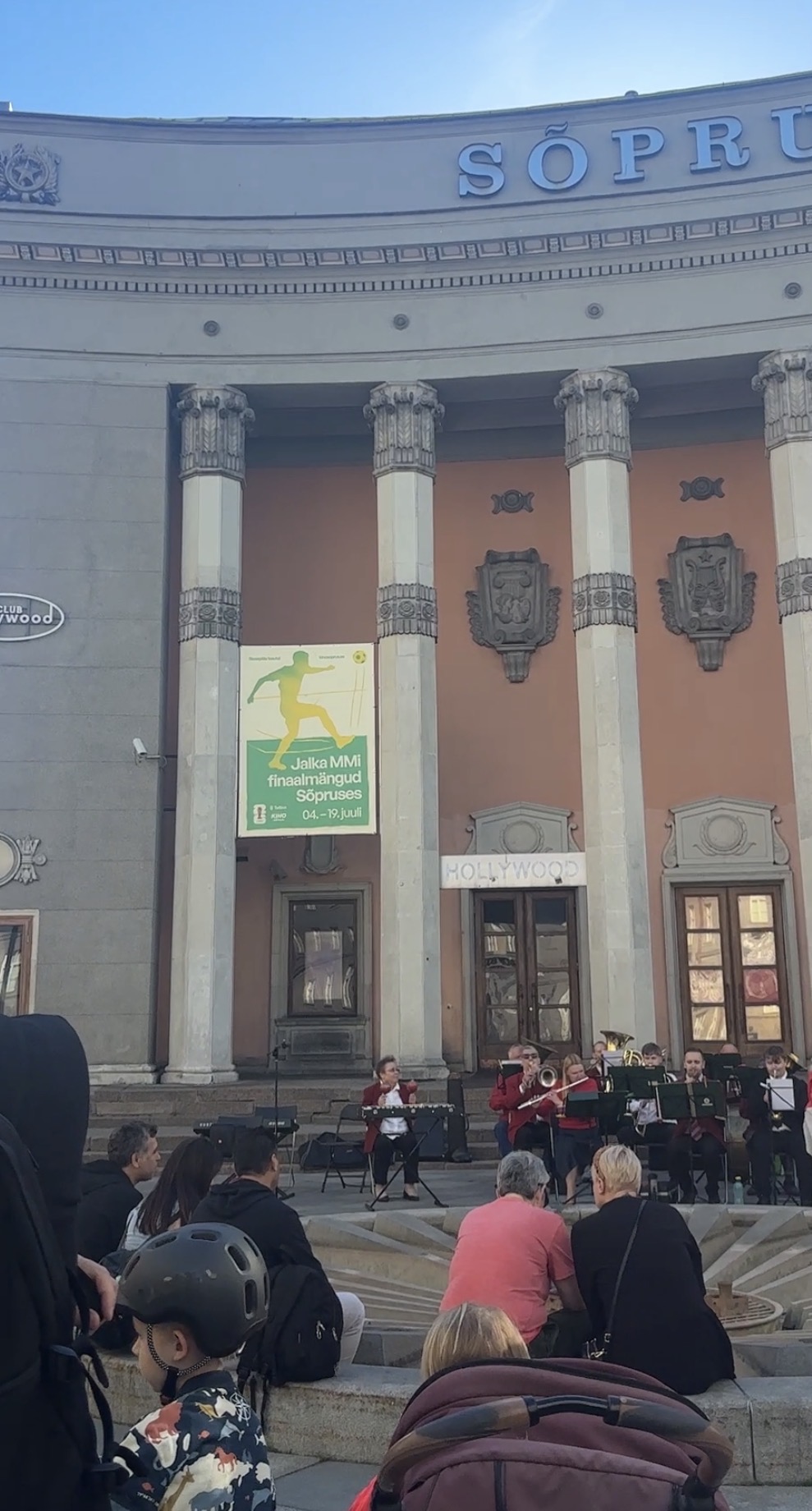
We also explored how culture preserves identity. Through readings about Estonian nationalism, memories of Finnish television during the Soviet era, and discussions about language and belonging, I learned how important culture and shared experiences are in shaping a nation’s identity. These themes became much more tangible through our daily experiences living in Estonia and even our short experience in Finland.
This program has shown me that a global classroom is not confined to lectures or assignments. Instead, it is created through immersion, observation, and meaningful interactions with the world around us. Estonia itself has become our classroom, offering lessons that extend far beyond academics and will remain with me long after the program ends.